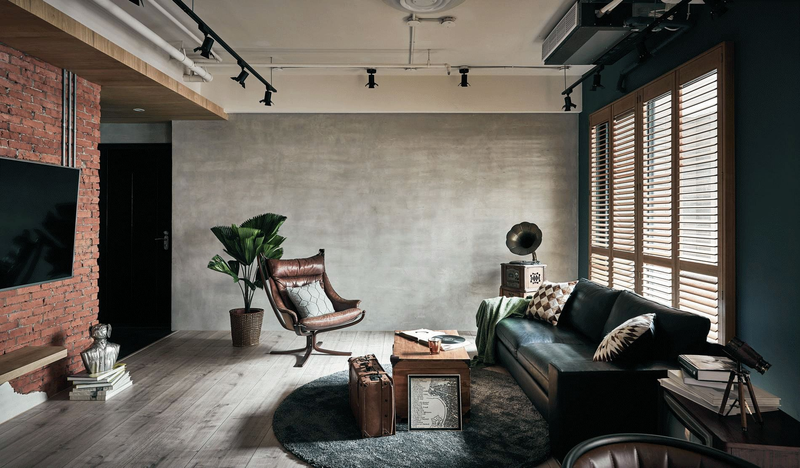
I. Definition of industrial style
Industrial styles were derived from the post-world war ii period, when furniture and styles were unique to industry, with a strong cultural and artistic quality, and were well received by many, and the industrial wind evolved into a trend. In the case of interior design, industrial styles have the following key elements: colour is dominated by black and white ash; materials consist mainly of bricks, concrete, metals, glass, large-scale naked pipes and various old furniture. Industrial styles can also be broken down into loft industrial wind, mechanical industrial wind and retrobus industrial wind。
Characteristics of industry styles, spatial characteristics
Industrial-style renovations are designed to address the connectivity of space, as is the case in an industrial plant, where space is isolated by metal and there is no independent door. Therefore, in the design of industrial-style renovations, it is important to grasp the design principle of “opening open doors”, to minimize the number of doors, not to create unnecessary barriers, and to choose to make an empty door with a metal border, if there is to be a door, rather than a door with ordinary materials such as wooden doors。
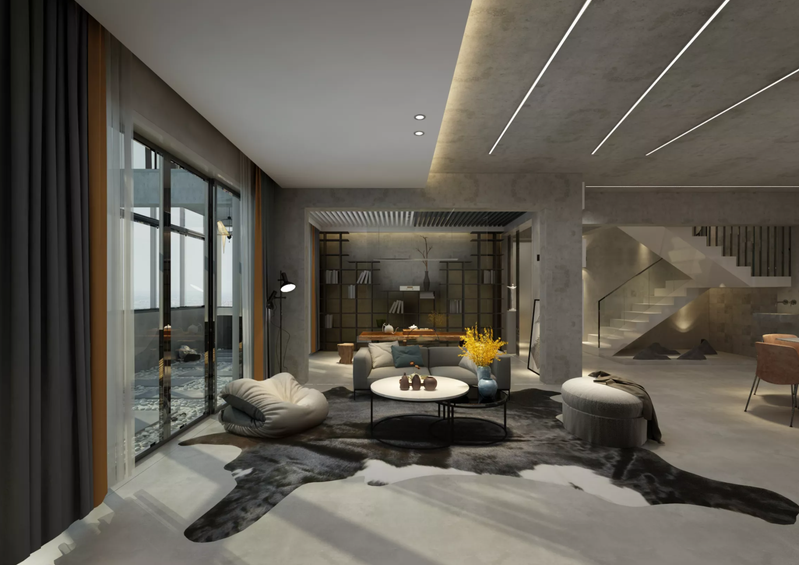
2. Colour characteristics
Industrial styles consist mainly of black and white grey lines, black mysterious coldness, white elegance and serenity, with more changes at the level of the mix of white and black. When choosing the colour of the furniture, if the overall home design is a combination of black and white, the bold industrial wind can be perfected. Industrial style gives the impression that it is cold, hard, personal, so that in the home design of industrial styles, colours such as blue, green, purple, etc., are not usually chosen that are too strong, but rather, as much as possible, the original wood colours, grey, brown colours, so as to highlight the beauty of industrial style。
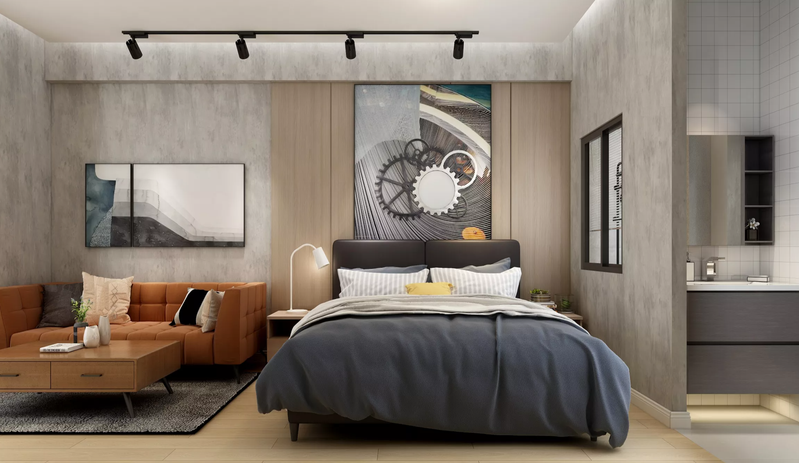
3. Material characteristics
Industrially-style walls prefer to be bare-walled, to keep their original face, or to be designed or decorated with bricks, or to be replaced by concrete walls. The windows or beams in the interior are rusty and appear to be very old, with virtually no ceiling material designs on the ceiling and usually see bare metal pipes or sewers, etc。
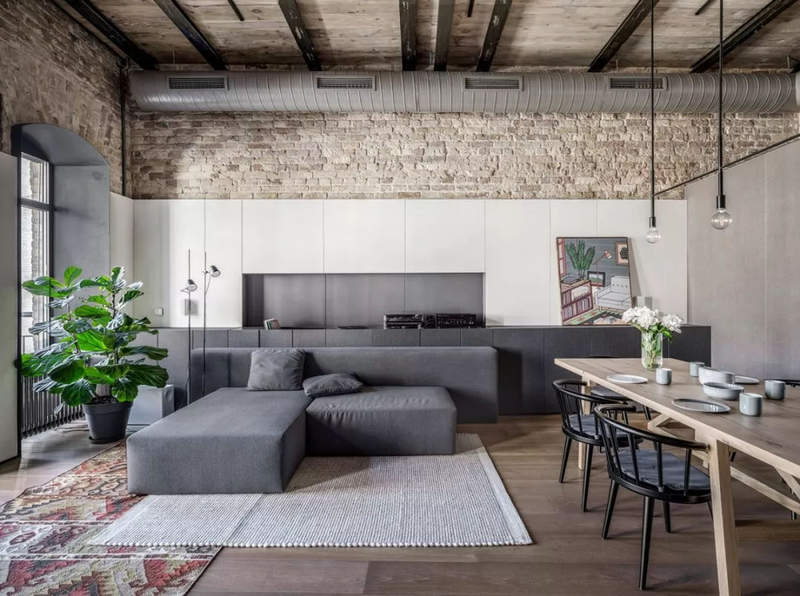
4. Decorative characteristics
Metal products are the preferred industrial style, but metal furniture is too cold to match wood or cortical elements. The furniture of logs is also common in industrial styles, especially those of older wood, which is more qualitative. Metal skeletons and double-share lamps, as well as volatile light bulbs and wires made of fabric, are very important elements in industrial style homes。
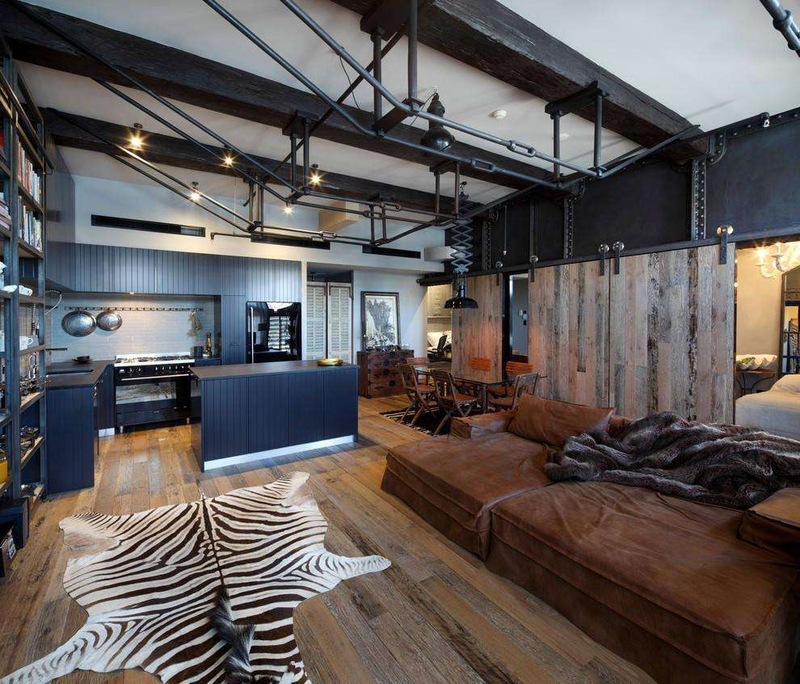
Iii. Industrial-style furniture reward 1, iron furniture
Metal-made furniture can be described as the first material to shape industrial styles. The metallic style is cold, allowing metallics to be mixed with wood, which preserves room temperature and a sense of grossity。
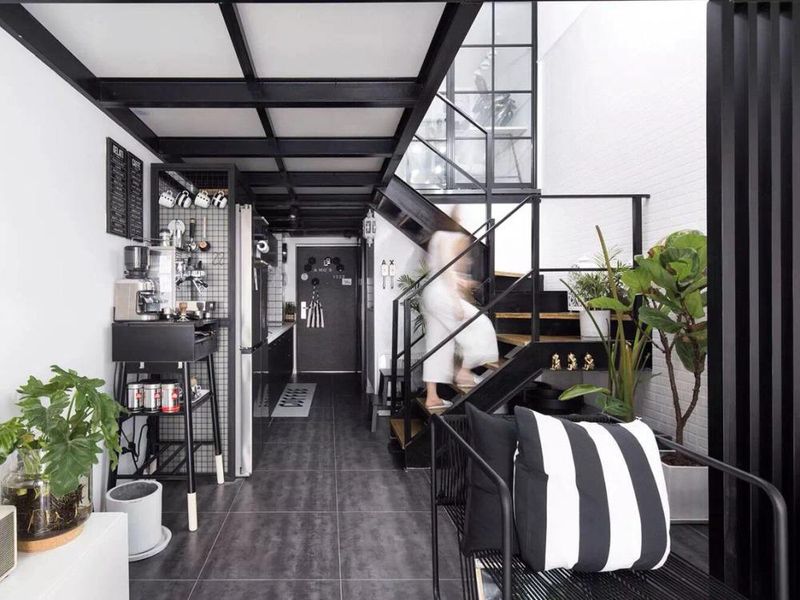
2. Hydraulic re-engineering
Furniture structured with metal pipes are specially designed for industrial style and are very suitable for living space that cannot break through walls and leak out of pipes。
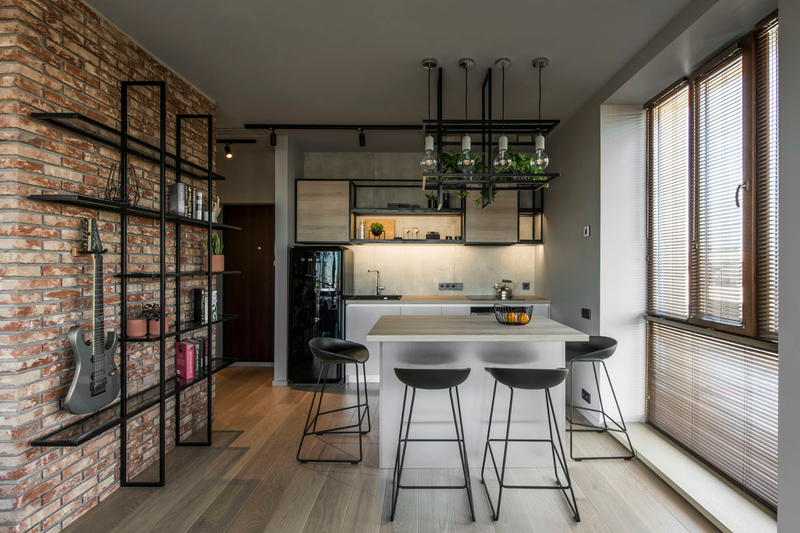
3 integrated furniture
Iron and wood are the best partners, using the solid, lightness of iron, mixing with wood, using the cold of moistly melted iron hanging from wood to create complementarities between cold and cold, so that space does not feel too cold; rather, there is the beauty of harmonious conflict. It is common to have black iron chandeliers with empty wooden boards to create the most popular café style of the literary youth, or to make empty skeletons with iron, embedded in wooden cabinets or wooden corks, with falsely wrong shapes。
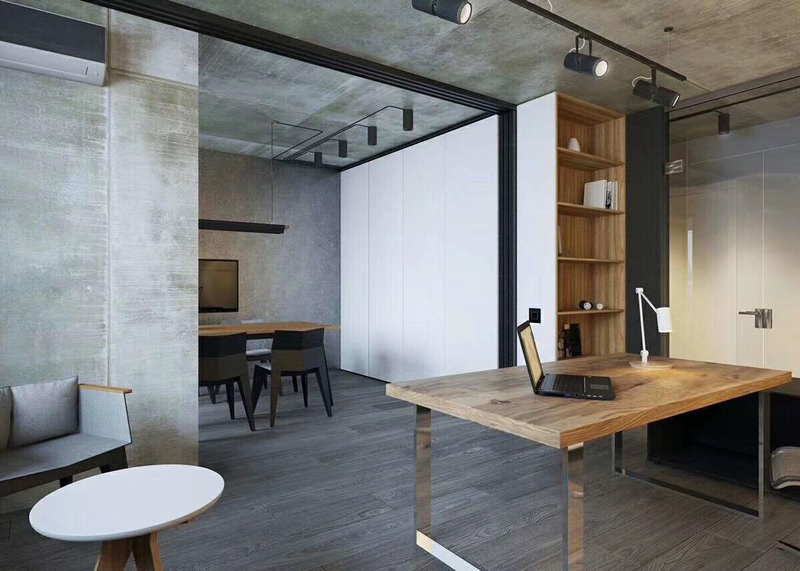
4. Leather couch
Industrial-style cortical sofas are very simple, and both colours and materials choose leather with old and classic colours, which are very age-sensitive and represent the best option for displaying the characteristics of industrial style。