Benz e 300, car maintenance guide
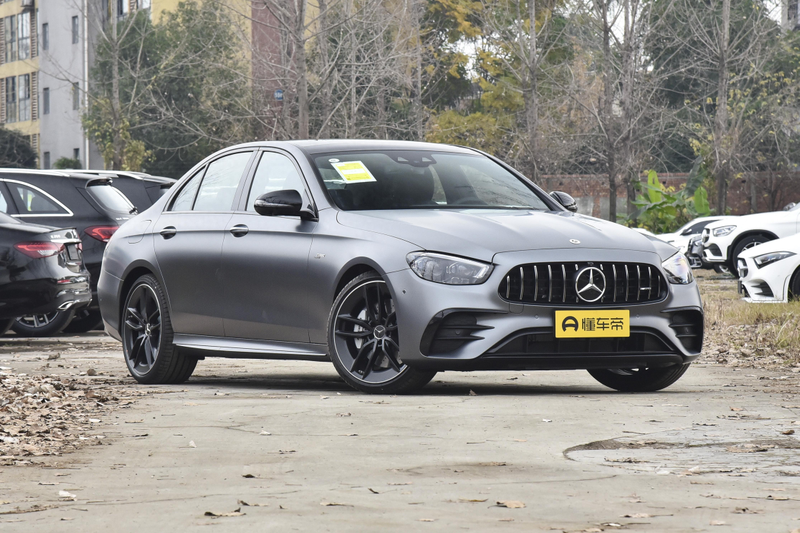
Benz e300, which serves as a model car for large, luxury cars, is located at the centre of "excellent business, comfortable driving" and is preferred by business and high-end household users with a gold power mix of the 2. 0t turbine booster + 48v light mixer system and 9at hand-to-hand transformer. Its conservation focus is to safeguard the stability of power systems, the smoothing of gearboxes, the functionality of luxury configurations and the drive quality of chassis, while balancing quality assurance policies with long-term vehicle costs. The maintenance of scientific norms not only keeps the vehicle at its peak, but also effectively extends the life of the core component and maintains the residual value of the used vehicle. This paper combines the mercedes official maintenance manual with real vehicle experience and provides a comprehensive and accurate maintenance programme for mercedes e300 drivers in terms of the four dimensions of core maintenance principles, a phased conservation strategy, key system-specific features, cost control and pit avoidance techniques。
I. Core maintenance principles: normative cycles and precision matching (i) basic maintenance cycle specifications
Benz e300 (comprising a mainstream version of e300 l fashion, motor, etc.) follows the “10,000 km or 12 months” basic maintenance interval (whichever comes first), using the two-track conservation system a/b, which is exclusive to mercedes: odd tens of thousands of km (10,000, 30,000, 50,000, etc.) for a assurance (basic maintenance) and even tens of thousands (20,000, 40,000, 60,000, etc.) for b assurance (deep maintenance). The vehicle-mounted smart maintenance alarm system provides a precise medium-controlled reminder of time and project maintenance without additional memory. The first guarantee is to be completed within 5000-7,500 kilometres or within six months of the purchase of the vehicle. The first insurance service is provided free of charge by the factory, which includes oil from the original plant, machine filtering and 20 in-depth inspections of the entire vehicle, without the expiry of which the normal enjoyment of the right to quality assurance may be affected。
(ii) special scene cycle adjustments
In combination with typical scenarios of short-distance and urban congestion of commercial vehicles, special conditions require flexibility in adjusting the maintenance cycle: it is proposed to reduce the maintenance cycle to 8,000 km or 9 months in the case of frequent urban congestion, long-term short-distance journeys (one time < 5 km, the engine is difficult to pre-heat adequately) or in the case of heavy sand, high temperature, high humidity, coastal salt fog and extreme winter temperatures; in the low-temperature environment in the north, focus needs to be placed on 48 v bottles to avoid frequent short-distance losses. In areas of heavy dust and fog, air-conditioning cores need to be replaced once in six months to ensure air quality in vehicles and to match commercial travel requirements。
(iii) core material suitability criteria
Core consumption materials must strictly follow original plant norms and safeguard the dual need for power and comfort: gasoline no. 95 and above will need to be added in order to avoid low-notation gasoline causing engine shock and carbon build-up; oil is recommended for the use of zero-w-20 fully synthetic machine oil that meets the mercedes mb229. 5 or 229. 6 certification criteria, with a charge of approximately 6 litres due to the charge and power characteristics of the 2. 0t engine, and is recommended for the use of the original plant or certified brands, such as the usf, manz, etc.; and direct-jet engines are required to add fuel additives to the mercedes plant once per 10,000 km to prevent carbon accumulation. Key spare parts are preferred to the original plant: spark plugs recommend the gold material from the original plant to ensure the efficiency of ignition; brake oil is selected to the original plant dot4 specifications; transformer tank oil is selected to use 9at-specific atf fluid to ensure smoothing。
Phased conservation strategy: full-cycle precision progressive (i) basic protective phase (1-30 000 km)
This phase is centred on basic maintenance, with full enjoyment of the policy of free initial coverage, with a focus on guaranteeing stability in the initial condition of vehicles. The 10,000 km (first-insure) completes the a guarantee, the core items are oil + machine filtration replacement, the complete testing of engine work, the 48v light-mixing system, speedboxes and chassis, and the cost of reference in 4s (non-first-insured) is approximately $1200-1500 (including working hours). Twenty thousand kilometres of b-premises are implemented, air-filtration cores and air-conditioning cores are replaced on the basis of a-premise, priority is given to the use of original plant activated carbon-conditioning cores with pm2. 5 filtering features, and commercial vehicles are suited to high air quality requirements in the vehicle, at a total cost of approximately $1800-2200. Thirty thousand kilometres of a-protective re-implementation, with a simultaneous focus on checking the brake system (brakes thickness, brake plate flattening), undercarriage (arm rubber set, shock-mitigator condition) and tire pressure and wear; and completing the upgrading of the engine system with the opportunity of maintenance, optimizing the response logic of intelligent driving aids, as well as checking the working state of the luxury configurations such as sound and atmosphere lights in berlin。
(ii) deep conservation phase (40,000-60 km)
40,000 kilometres of core conservation nodes, implementation of b and additional brakes replacement of car oil and spark plugs: firecracker selects the gold material from the original plant, with a recommended replacement period of not more than 40,000 kilometres, to ensure ignition efficiency and power response; brake oil is water-sorting and must be replaced every 2 years or 40,000 kilometres (based on first-come, first-served), after which it is required to perform specialized exhaust treatment to ensure the safety of business activity, at a total cost of approximately $3,000-3,500. Fifty thousand kilometres of time is required to focus on the cleaning of gas-saving doors and gas-intake carbon (recommended as walnut sands to be washed more thoroughly), and short-distance vehicles in long-term urban areas need to be handled in a timely manner in case of a lack of speed and increased fuel consumption; and to check the engine's foot tape to prevent excessive impact on the comfort of the vehicle when the vehicle is moving too quickly. The core items include oil trifiltration, 9at transformer tank oil (with filter cores) and refuelling of cooling fluids. The transformer tank oils recommend a gravitational exchange to ensure that the replacement is complete, with cooling liquids selected for the original plant's specified model, which must be replaced every three years or 60,000 km; and simultaneous inspection of core mechanical components such as pumps, high-strength wheels, and drive belts, with a price of approximately $6000-$8,000 at 4s。
(iii) comprehensive overhaul phase (7-100,000 km)
Seventy thousand kilometres of b-protective measures focused on assessing the state of wear and tear of the brake system: approximately 68,000 kilometres of the normal life of mercedes e 300 brake blades, reduced to 5-60 thousand kilometres of frequent brakes, needed to be replaced in a timely manner when the thickness was less than 3 mm, approximately $4,000 for the replacement of 4s front brakes and approximately $2,200 for the spare parts of the original plant selected for third-party doors; and synchronized replacement in case of visible troughs or thickness below standard. Eighty thousand kilometres to implement a-protective measures, focusing on checking the working state of the transformer valves to ensure a smoothing of the brakes, while checking the shock-retardor resistance performance to avoid a chassis impact comfort experience. The 100,000 kilometres of b-protective measures were carried out to conduct a full-scale test of turbine boosters to assess axle wear and seal performance; the 4mtic 4-carriage model required an additional inspection of the sealing of the moving axis and the main transmission of the back bridge to avoid leakage of oil; and the simultaneous inspection of the working condition of the entire vehicle safety system, including core components such as airbag sensors and body stabilization systems, at a total cost of approximately $4500-$5,500。
Key system-specific conservation elements (i) power and light mix systems: stabilization priorities
The 2. 0t+48v light mixer system is required to focus on the state of the cylinders, with a useful life of approximately 4-5 years per 10,000 km of detection of voltage and health, frequent short-distance travel leading to a loss of electricity, timely replacement in case of incapacitability and frequent reboot, and replacement costs of the original plant of approximately 2,500 yuan. Engine maintenance requires strict adherence to the oil replacement cycle and each oil exchange must be accompanied by the replacement of the original plant oil filter to prevent the wear and tear of fine parts of metal scrap; the air filter is checked every 10,000 km and replaced every 20,000 km; and the fuel filter is built-in and designed to last 60,000 km, without the need for early replacement. Heavy driving requires a one-to-two-minute low speed before the fire is shut down, allowing the turbine pressurizer to cool adequately and avoid high temperatures leading to carbide damage to parts of the oil; long-term short-distance users travelling at least once a month ( >90km/h, lasting 20 minutes), promoting full engine heat and reducing the risk of thin oil。
(ii) transfer and chassis: comfort security
9at hand-to-hand transformer tanks require the replacement of specialized transformer tank oils and filter cores per 60,000 km, and daily driving avoids frequent and rapid acceleration and deceleration, reduces shock-shielding and ensures business smoothing. For the chassis, the previous multiple poles and later multiples of stand-alone hangers are required to check the ageing of the suspension and head of the ball every 20,000 kilometres and to replace them in a timely manner when they are loose or acoustic; and to check regularly the condition of the shock-mitigator so as to avoid the discomfort of the chassis. Tyres, which are core parts for carrying, are replaced in a timely manner on the basis of wear marks, and it is recommended that silent, comfortable, luxury tyres such as mischilling 4 be selected, taking into account the quietness and stability of commercial travel, at a cost of approximately $1,600 per inch of the original plant's 18-inch tires, with a change of tyres every 20,000 km to avoid friction。
(iii) luxury configuration: functional maintenance
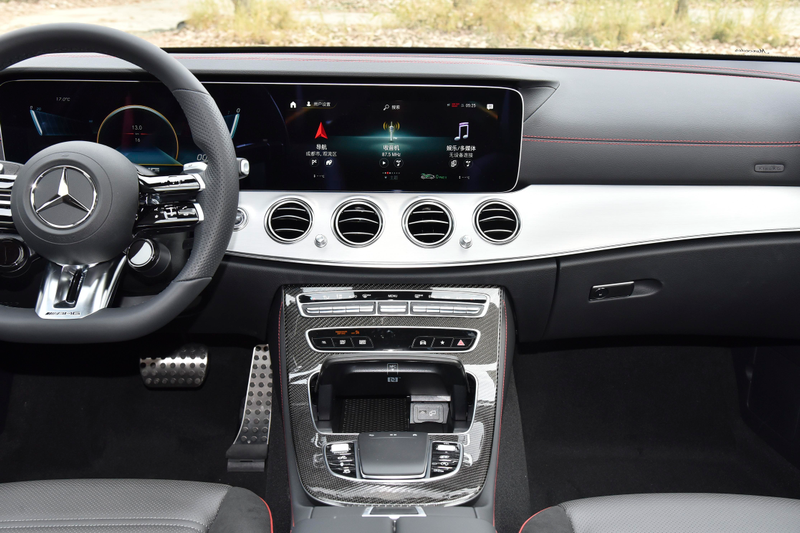
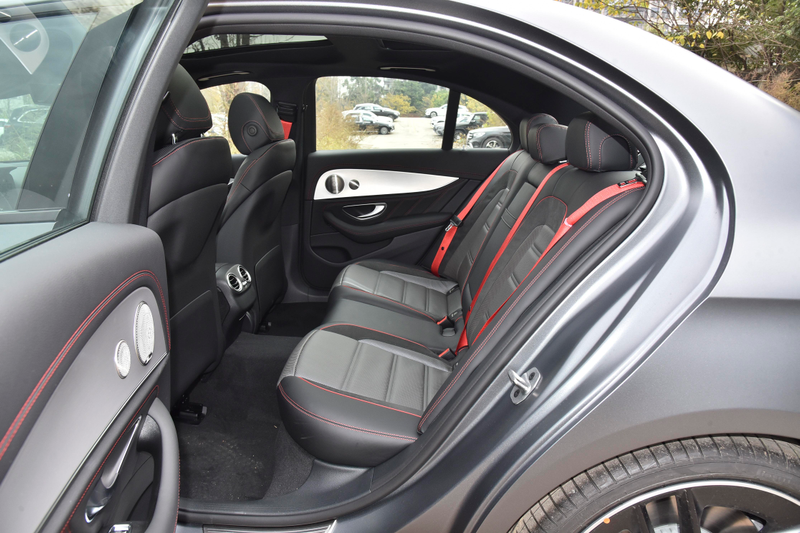
The interior luxurious configuration needs to be maintained with a balance of practicality and beauty: nappa's leather seats recommend professional cleaning every six months to avoid long periods of sunburning leading to the aging of leather; the sound of berlin requires regular clean-up of the speaker's dust net to avoid dust piles affecting the sound. The maintenance of the machine system focuses on software upgrades, and the official solidware upgrade can be done on its own through the ota, optimizing the mbux interactive logic and intelligent driving assistive functionality accuracy, without additional fees for “system optimization” services. Panorama windows are required to check track cleanness and seal the glacial state for every 10,000 km, regularly coating lubricant to avoid the opening of cardon or leaking water; electrical components such as airlights, electric seats, etc., need to be synchronized with each maintenance to detect working conditions and eliminate minor malfunctions such as poor exposure in a timely manner。
Cost control and pit avoidance techniques (i) scientific options for conservation
The core project during the quality assurance period (replacement of fuel in transformer tanks, engine failure screening, light mixing system calibration, etc.) recommended the selection of the 4s store to ensure that maintenance records were complete and avoid compromising quality assurance; the base project (replacement of filter cores in a, b) could select a third-party specialized door shop with a mercedes ista diagnostic system, using the original plant spares, at a 30-40 per cent lower cost than 4s. Vulnerable items, such as air filters and air conditioning filters, can be replaced on their own, and internet purchases of licensed brand parts (e. G., mds) require only half of the cost of the 4s store, and the replacement process is simple and complete in 15 minutes. Good use of official welfare, attention is paid to the mercedes “star emblem maintenance suite”, which saves between 25 and 35 per cent of the cost of three years and 60,000 kilometres of packaged meals, and the average annual maintenance cost can be reduced to less than $3,000; some 4s stores will also introduce holiday promotions, such as working hours at a rate of 50 per cent and oil purchases at a one-off rate。
(ii) avoidance of excessive maintenance traps
Non-compulsory premium items such as “engine depth cleaning” “real skin plating” “engine chamber plating”, as recommended by 4s, are not required for a new vehicle for a period of five years; rather than relying on the “7500 km of maintenance required for internal road conditions”, using fully certified composite oils and strictly following the 10,000 km a/b warranty cycle. Maintenance requires the technician to present the original benz plant bill of construction, to reconcile the parts code with the manual and to avoid replacement of redundant spare parts; and to maintain complete maintenance records, particularly maintenance certificates for core components, to provide a strong support for the valuation of used vehicles. In addition, single broken glass risk is recommended for purchase (the unit price of the glass at the benz plant was over tens of thousands of dollars), and scratch risk is available to new vehicles at their discretion, which is recommended for elimination after one year of use and reduces insurance costs。
The maintenance core of mercedes e300 is “comfort priority, precision maintenance” and does not need to seek frequent maintenance blindly. Following the official regulatory cycle, flexible adaptation of business landscapes and rational choice of service channels, both allow vehicles to maintain an elegant and comfortable sense of driving quality, and keep average annual maintenance costs within a reasonable range of $4,500-$5900, so that every business trip and family journey is comfortable。