Pressure sensor failure, characteristics of voltage sensor
Sensors play a crucial role in the automobile field, where voltage sensors are a common and widely applied type. However, the failure of the voltage sensor may occur during the use of the vehicle, and we need to understand the characteristics of the voltage sensor in order to better understand its causes and solutions。
Features of voltage sensors
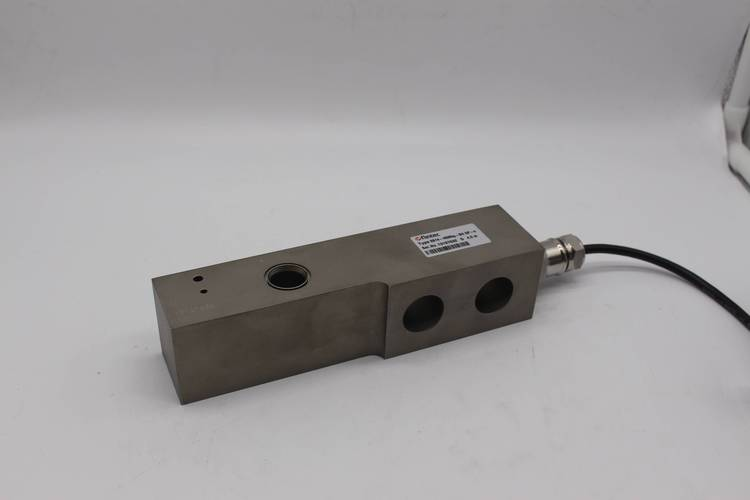
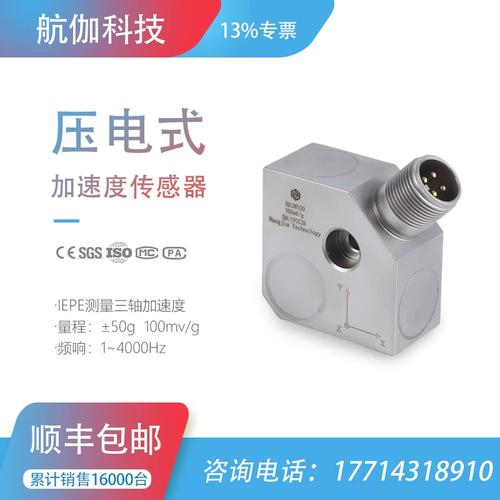
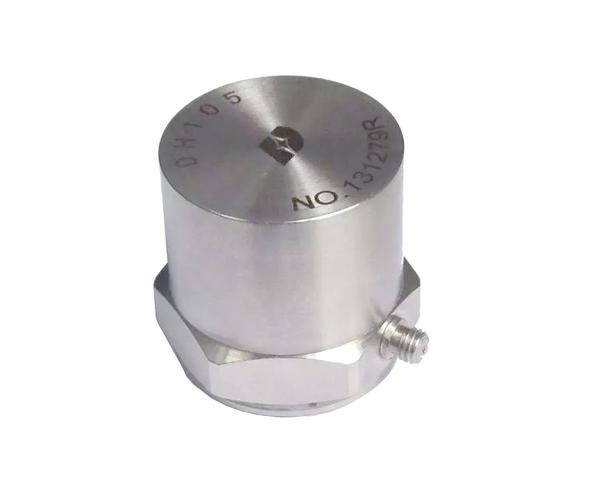
Voltage sensors use voltage effects to convert pressure to telecommunications output. They are usually made of voltage materials that can generate charge based on pressure or vibration imposed on them. Voltage sensors have the following main characteristics:
1. High accuracy: voltage sensors are capable of monitoring pressure changes in real time, and the output telecommunications are highly accurate. This has made them widely used in areas such as car manufacturing and safety testing。
Wide scope of work: voltage sensors can function normally in different working environments, including conditions of high temperature, low temperature and high humidity. This makes them applicable to various car applications。
3. Rapid response: the voltage sensor is capable of responding quickly to pressure change due to the high sensitivity of the voltage power. This is particularly important for certain car systems, such as brakes and air lift systems。
4. Strong durability: the voltage material is generally well resistant to corrosive and wear and tear, so the voltage sensor has a long useful life. This is important in the area of automobiles, which are often exposed to complex working environments and intensive use。
Reason for failure of voltage sensors
However, voltage sensors may also fail. The following are some of the common reasons for the failure of voltage sensors:
1. Circuit failure: elements in sensor circuits may be damaged or short-circuited, resulting in the sensor not working properly. This may be due to aging of materials, excessive voltage or low voltage。
2. Connectivity problems: there may be problems of disconnection, loosening or corrosion in the lines connected by the sensor to the car system, which may prevent the sensor from transmitting the signal accurately. This is common in the connection between the sensor and the control unit。
3. Environmental impact: the working environment of the voltage sensor may be affected by factors such as temperature, humidity, etc., leading to instability or failure of the sensor's output. Especially in harsh environments, such as extreme temperatures and damp conditions, sensors are more likely to fail。
Solve voltage sensor failure
For voltage sensor failure, we can remove and repair the following:
1. Inspection of circuit connections: inspection of circuit connections between sensors and car systems to ensure that lines are stable without disconnection or release。
Measurement of voltage: measurement of the voltage output of sensors using appropriate instruments to ensure that the voltage is within normal working limits。
Cleaning and maintenance: regular cleaning and maintenance of voltage electrical sensors to maintain their normal working condition. Avoid exposure to damaging environments, such as excessive or low temperatures and humidity。
4. Replacement of damaged components: if damage to elements in sensor circuits or a decrease in sensitivity is found, they need to be replaced in a timely manner。
Adjustment and calibration: appropriate adjustments and calibration to ensure the accuracy and stability of the sensor's output, in accordance with the requirements for the use of voltage electrons。
In summary, understanding the characteristics of voltage sensors and the reasons for possible malfunctions are essential to maintaining car performance and safety. The reliability and stability of vehicle systems can be ensured by identifying and resolving sensor failures。