What's the cure?
(i) treatment
1. To correct water, electrolyte and acid alkali balance disorders, first and foremost, dehydration, electrolyte and acid alkali balance disorders for patients with a long history of disease。
(1) patients with light disorders: due to the claustrogenic barrier caused by ulcer disease, stomach acids are generally high and more chlorine is lost after vomiting than sodium, so the rehydration can be fully physicosalized and the utensils can be supplemented with potassium chloride by veins every 40 to 50 ml/h, which can often correct dehydration and mildly low chlor-alkali poisoning。
(2) persons at risk: a 2% chlorinatedamine solution may be given to the veins in addition to the corrective dehydration if the combination of carbon dioxide more than 30 mmol/l or blood chlorine is less than 85 mmol/l. However, not only does the solution have liver effects, but the treatment has been less effective and is no longer available. In recent years, 0. 1mol hcl solution has been used as an intravenous drip to treat low-chlorine alkali poisoning, which has worked well and can be calculated on the basis of blood cl:
Supplementary chlorine (mol/l) = blood chlorine decrease (mmol/l) x body weight (kg) x 0. 25
The number of mmols/ls received is calculated for recharge based on 1 mmol = 10 ml of percolated hcl solution, such as 0. 1 mol。
For example, for a claustrophobic patient, weighing 60 kg, blood chlorine measured at 75 mmol/l, based on the above formula:
By-chlorine = (103-75) x 60 x o. 25 = 420 mmol, i. E. 0. 1 mmol hcl 4200 ml
The hydrochloric acid solution shall be slowly dripped into the cavity vein through an vein intubation and shall be lost at 24h. During the infusion period, treatment programmes shall be adjusted at any time in accordance with the loss of na+, k+, including the presence of saline water and potassium chloride solution, and the combination of k+, na+, cl, and co2 shall be double measured every 4-6h。
In addition to correcting dehydration and electrolytic disorders, sufficient heat should be supplied to prevent excessive consumption of their fats and proteins. However, general intravenous rehydration, with a limited daily supply of heat, should provide full stomach and extra-intestinal nutrition to patients who are seriously malnourished。
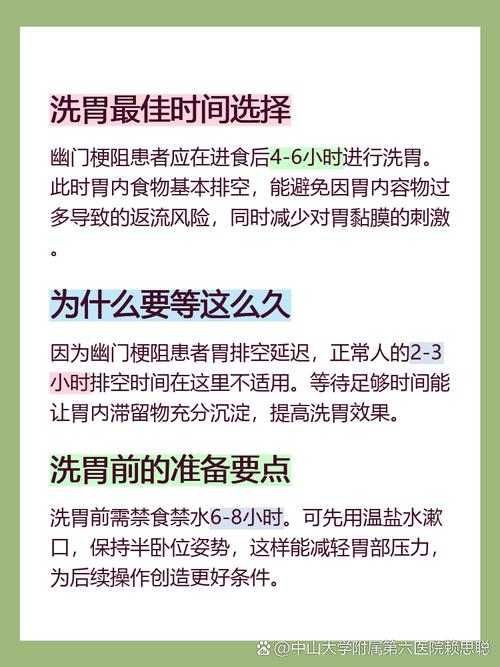
3. Effective gastrointestinal decompression not only relieves stomach tumour but also improves the blood cycle of the stomach itself and the inflammation of the mucous membranes. For some of the heavier patients, the saline water can be used to wash their stomachs so that the mucous membranes can be restored quickly, to facilitate surgery or further examination. If the resistance is caused by oedema or convulsions, the symptoms can be mitigated as the oedema recedes。
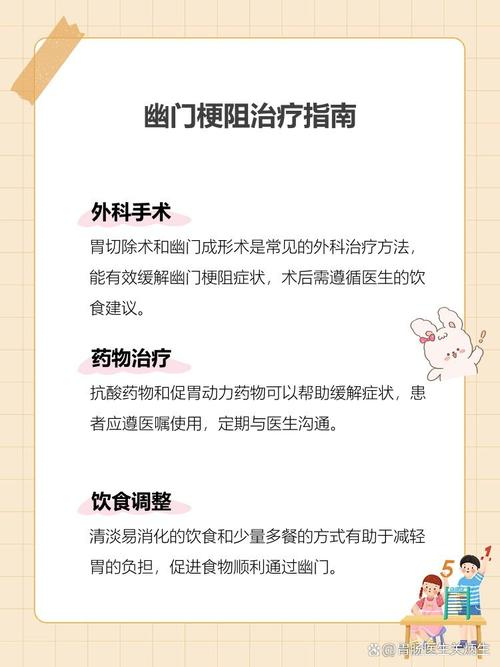
4. Surgeon treatment. Spectacular obstruction is an absolute indicator of the treatment of ulcer surgery, but the choice of the method of operation should be determined by the patient's condition, the conditions of the equipment and the technical strength. It should be based on the principles of safety, effectiveness and ability to cure ulcer。
(1) pre-operative preparation: adequate pre-operative preparation, correction of water, electrolyte, acid alkali balance disorder, improvement of nutritional condition, stomach wash for more than three days. Elimination of local stomach inflammation and oedema。
(2) methods of operation:
(1) gastrointestinal ulcer matching: simple methods, good immediate results and low mortality rates are rarely used because of the high incidence of post-operative ulcers. In the case of elderly patients with weak, low stomach acids and very poor overall health, the option remains open。
(2) large stomach ectomy: the most common technique in the country, as patients are generally in good condition。

(3) discovery neuroscraper: disconnectionary ecstasy with gastropharmaceuticals or ecstasy with gastropharmaceuticals is more appropriate for young patients。
(4) high selective leaching neoplasms: in recent years, there have been reports of high selective leaching neoplasms and spectacular expansions, with satisfactory results. It is essential that patients be fully prepared before they undergo surgery. In the first two to three days, gastrointestinal pressure is reduced and the stomach is washed daily with warm salt water to reduce oedema. Blood transfusions, fluids and improved nutrition to correct hydrolysis disorders。
Surgery to treat the ulcers of the stomach continues to be dominated by a large part of the stomach to be excised in the pii. Consideration may also be given to selective locomotive neuroscraper plus stomach hysterectomy (sv a), matching pi or ii. Post-operative long-term treatment is excellent and ulcer recurrence is low. In addition to the above-mentioned surgery, du-accompanied door block blockers may be selected with the extension of wall cell locomotives and the extension of the door, or with the introduction of flow. It is not appropriate to use purely gastrointestinal dysentery matching, with a relapse rate of up to 30 to 50 per cent。
(ii) later
The ineffectiveness of short-term internal medical treatment indicates that tectonic convulsions are the main cause of door blockage. More than 90 per cent of all cases of surgical treatment are eligible for satisfactory treatment。