On august 31st, beijing's daily science and technology (journalist zhang) plant stretches and bends to ensure sunlight. Scientists at the thork institute in the united states found that there were two plant factors contributing to accelerated growth when plants were shielded by tree crowns and exposed to warm temperatures. This finding, published in nature newsletter, will help scientists to predict how plants will respond to climate change and increase crop productivity when global temperatures increase to the detriment of yields。
Researchers have indicated that people grow crops at a certain density, but research has shown that, with climate change, planting intensity needs to be reduced to optimize growth. Knowledge of how plants react to the molecular base of light and temperature allows people to fine-tune crop density in a specific way, thereby obtaining optimal yield。

In the process of sprouts, the nests of the seedlings are rapidly stretching and breaking through the covered soil in order to capture sunlight as soon as possible. Usually, the growth rate is slowed when the penis is exposed to sunlight. However, if plants compete with the surrounding plants for sunlight or respond to warm temperatures to increase the distance between the hot ground and the plant leaves, the tubing can extend again quickly. While both canopy shades and warm temperatures contribute to the growth of tubers, they also reduce yields。
In new studies, researchers compare plants growing at both canopy and warm temperatures to simulate high crop density and climate change. They use model plants for south mustard and close relatives of tomatoes and tobacco to understand whether these three plants are equally affected by this environmental condition。
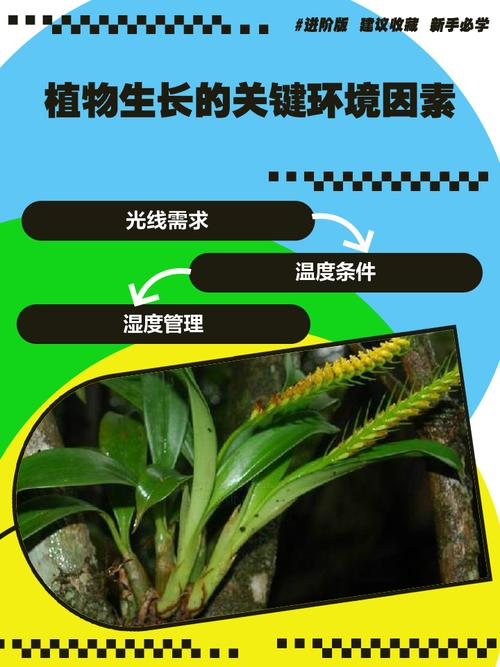
In all three species, plants are found to grow very high when they avoid shadows from neighbouring plants and are exposed to warmer temperatures. At the molecular level, researchers have found that transcribing factor pif7 is a protein that helps to “open” and “turn” genes and is a major driver of rapid growth. It was also found that when crops detect neighbouring plants, growth factors increase, thus promoting growth to cope with simultaneously warming temperatures. This synergistic pif7-growth path enables plants to react to their environment and to seek optimal growth conditions。
A related transfer factor, pif4, also stimulates the extension of the penis at warm temperatures. However, this factor no longer plays an important role when shadows and temperature rises are combined. Previous studies have shown the importance of this factor in relevant growth situations。
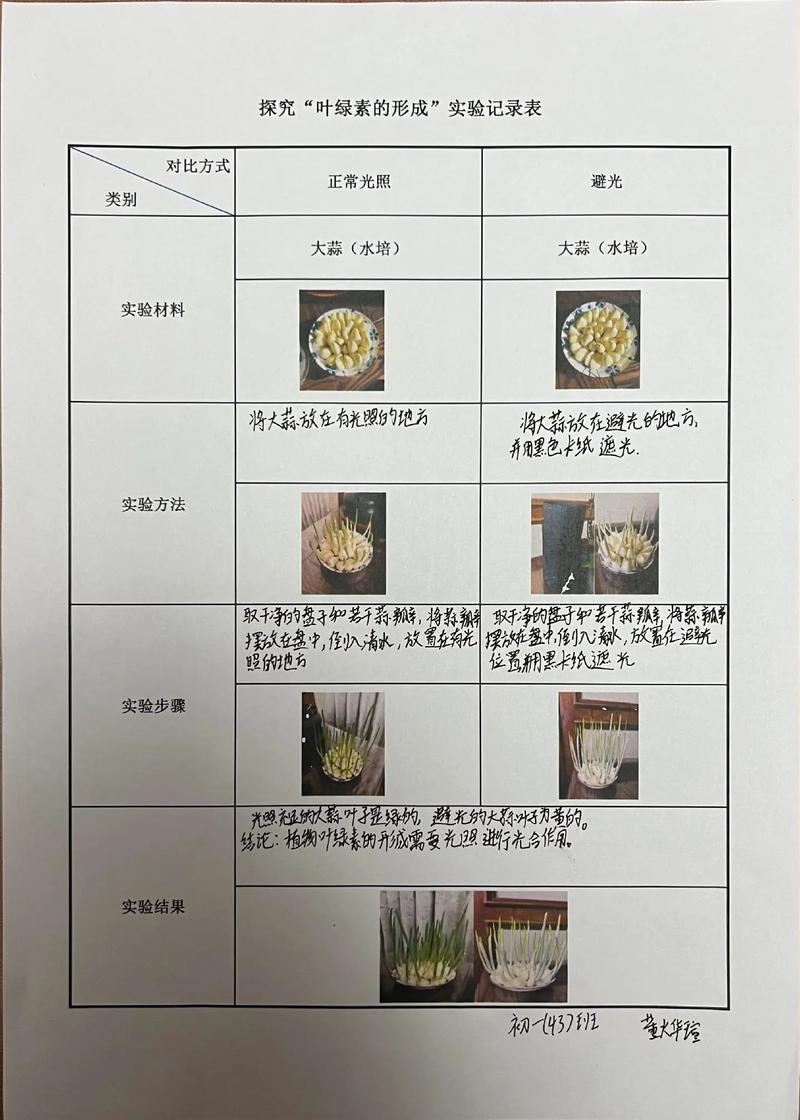
According to researchers, global temperatures are rising and people need food crops that can thrive under these new conditions. The identification of key factors in regulating plant growth at warm temperatures will help to develop better-performing crops to feed future generations。