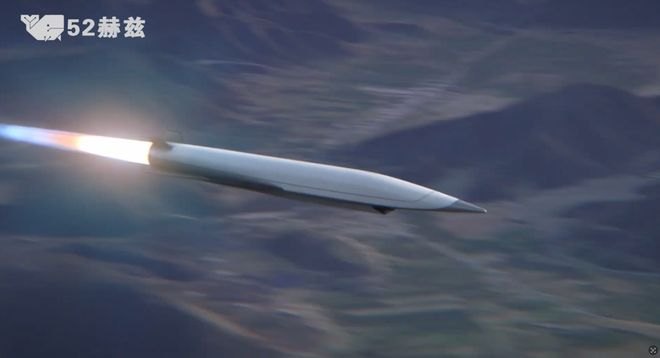
There is an aviation engine, which does not have active parts such as turbines, pressurizers and uses the aircraft's forward motion to compress the air and drive the engine。
This is the impulse engine, which is usually driven at speeds between 3 and 6 mah, or even higher, and which is the king of engines in the atmosphere。
So how does it work
In fact, the idea of pressing engines is not complicated, so we can understand it in the second grade of primary school。
Let's go over how the traditional jet engines work
Take vortex engines, for example。
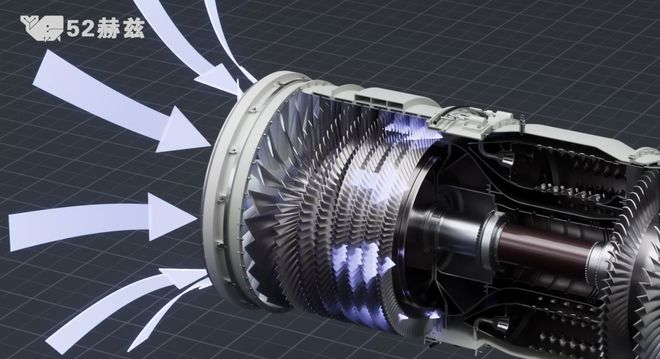
When the air is inhaled to the engine, the pressure opportunities compress it significantly and the pressure increases significantly。
High-pressure air then enters the combustion chamber, mixes with injected fuel and is ignited, resulting in high-temperature, high-pressure gas。
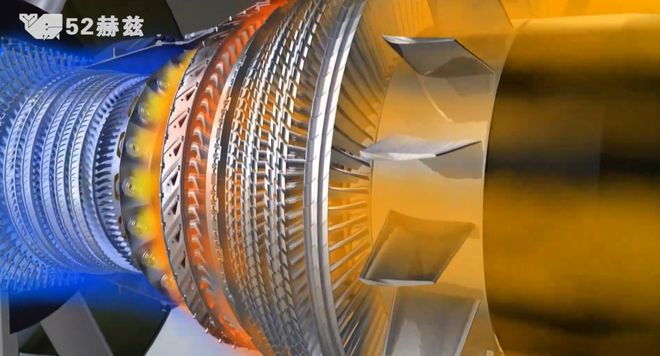
Finally, high-temperature, high-pressure gas enters the turbine, and the gas swells the turbine blades。
Rotating turbine axes also drive the rotation of fan and pressurized blades, thereby sustaining the overall compression and combustion process。
Currently, there are existing turbines or vortex engines, with a maximum speed of approximately 2-3 mah。
For example, the concorde passenger aircraft can fly at a maximum speed of 2. 04 mhz。
When the speed of flight exceeds 3 mah, the air flow into the engine is too fast。
The traditional pressurizers are unable to effectively compress these high-speed air currents, the air compression efficiency will decline rapidly and the high-temperature high-pressure gas flow will damage turbines and pressurized gas components。
So what
Just take off the pressurizer, and since the pressurizer is gone, there's no need for the turbine。
At this point, when a vehicle flies at high speed, the air current comes at a faster rate, and when it passes through the front vent of the aircraft, it is naturally compressed, generating higher pressure and temperature, which is the force-pressure effect, which is also known as the pressure engine。
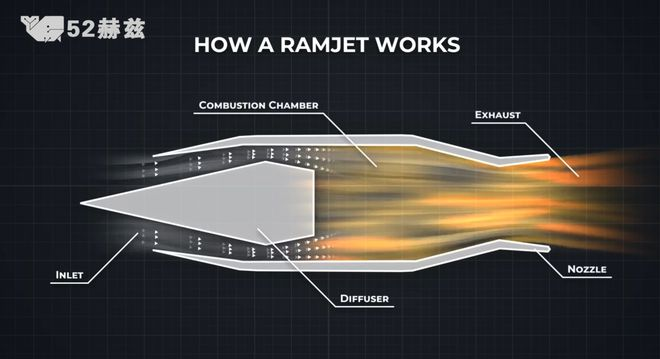
Depending on the maximum speed achieved, the impulse engines are divided into sub-fired impulse engines and overburned impulse engines。
Sub-flammation engines are defined as gas streams reduced to subsonic speeds and then into combustion rooms。
This technology has matured and is suitable for mid-speed flights of 3-5 mah, such as medium-speed anti-ship missiles, cruise missiles, etc。
In contrast, the over-fired flush engine means that the air is only partially compressed in the vent, that the currents remain ultrasound into the combustion chamber and that the fuel needs to be mixed with the ultra-sonic stream and burned in a very short period of time。
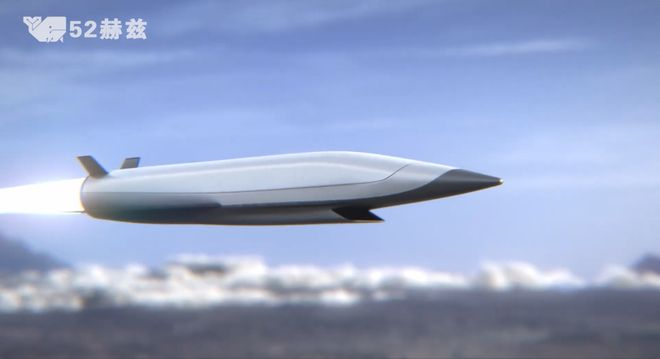
The theoretical speed of this technology is said to be between 5 and 15 mah, although it is still at the experimental stage due to the high technical difficulty。
For example, in hypersonic air currents, combustion mixing is difficult and prone to fire extinguishing, which is equivalent to lighting a match in a class 12 typhoon。
A friend would ask, "why is it just the king of engines in the atmosphere
The reason is it's not really comparable to rocket engines。
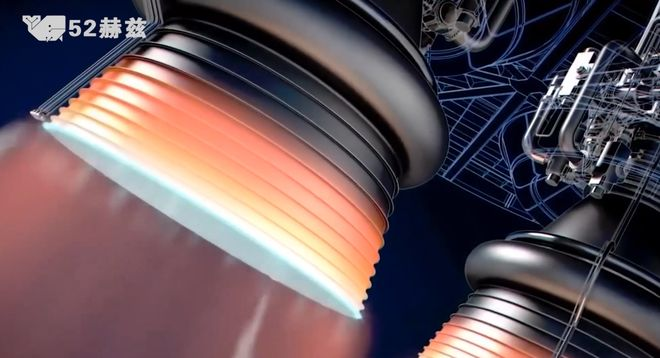
Rocket motors are self-carried oxidizers and fuels, and combustion is not dependent on external air and can work in a vacuum environment。
Moreover, rocket engines can be activated in a static state, and the impulse engine needs to be pushed around 2 mah to start。
For example, the united states x-43a hypersonic vehicle, which, on its second test flight in 2004, exceeded the speed of 9. 8 mah and reached the fastest world record of the gas-inbound engines
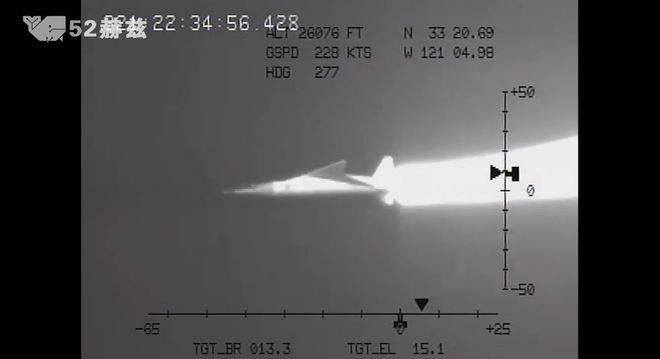
However, in order to activate its pressurized engine, a carrier, modified by b-52, is required to take it to a specified altitude before release。
Then it accelerates to supersonic speed from the equestrian rocket, which will then be able to ignite its own impulse engine。
It follows that the impulse engine cannot be activated in a static state。
To solve this problem, the united states has a private company, hermes, that tested this engine, which can be switched between vortex and flush patterns, which is a mixture of two different engines。
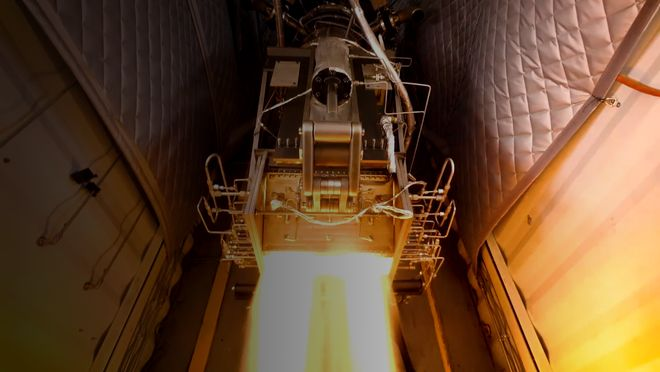
First, the air enters the vent, the vortex engine works normally, and when the speed reaches 3 mah, the gas valve before the vortex engine is shut down and the ultrasonic flow is imported into the back of the thrust engine, at which point the bursting engine is activated。
As can be seen from this video, the flame is light blue in the vortex mode, then the blue flame of the engine disappears and the tail vent becomes dark red, while the thrust is reduced, but the rush mode is activated quickly and the tail vents emit bright yellow flames。
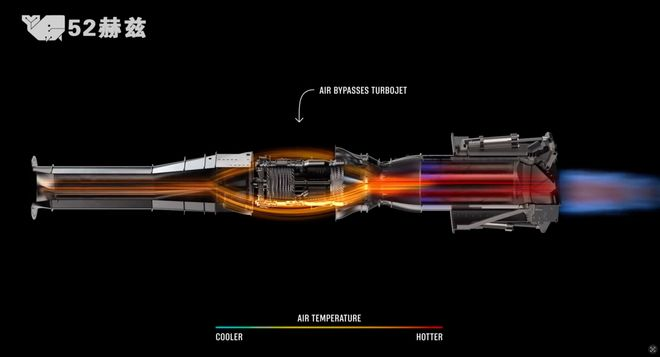
It planned to use the engine on its high-sonic vehicle to achieve a five-mash ultrasonic flight。
There is a private space company in china, which is also developing flushing engines and ultrasound passenger aircraft, which is chengdu's airway。
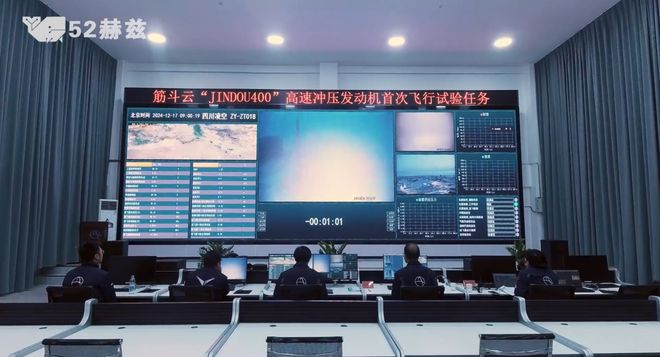
On 17 december 2024, a test flight was carried out on a high-speed burst engine of 400 kg, with a thrust of more than 400 kg, a four-fold sound speed flight over 20 kilometres, and the engine added explosive combustion technology。
On january 20th this year, the company released a new supersonic prototype of the transmuting monkey, which is 7 metres long, weighs 1. 5 tons and is equipped with two engines, with a speed of up to 4 mah, and a three-hour global journey。
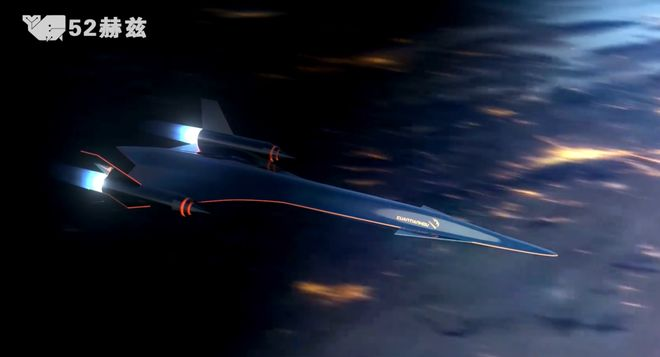
Interestingly, both hermes in the united states and china were created in 2018, and it appears that a breakthrough in the bursting engine was created between the two countries。
Actually, pressing engines is not very high-tech。
Its concept was first proposed by the french in 1913, so why has it not been well applied to date
That's why it has to be activated at supersonic speed. Do you know what kind of technological breakthrough it is to make the flush engine work