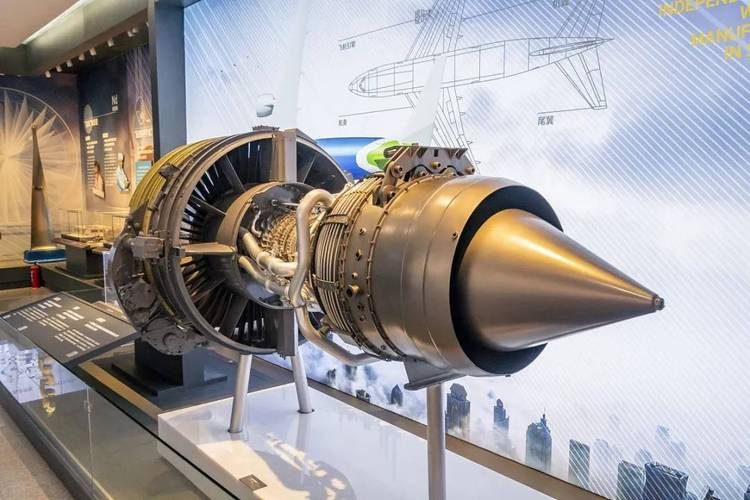
No pressurizers, which cannot be activated under static conditions, are not suitable as power units for ordinary aircraft, but are often used in conjunction with other engines as combination power units. For example, flush engines combined with rocket engines, flush engines combined with vortex or vortex engines, etc. A vehicle equipped with a combination power unit that starts a rocket, vortex or vortex engine on take-off and closes its partner engine when the speed of the flight is sufficient to enable the flush engine to function properly; during the landing phase, when the vehicle's flight speed is reduced to the pressure engine being unable to function normally, the engine accompanying it is restarted. If the pressurized engine is used separately as a power unit for the vehicle, the vehicle must be carried to the air by another vehicle and at a certain speed before it can be launched and dropped. Scrap engines or combination thrust engines are typically used on missiles and ultrasonic or subsonic targets。
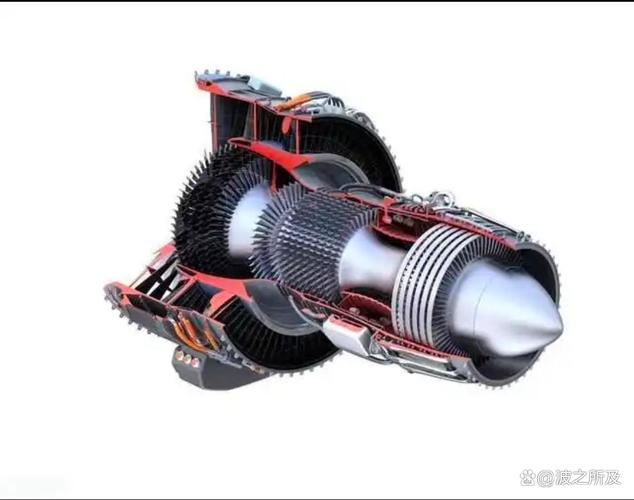
There are only three main components of the impulse engine - the booster, the combustion chamber and the tail nozzle. Although it consists of only three simple pipe-shaped components, it can give a very large push and increase rapidly as flight speed increases. For example, an impulsive engine with a cross-section of only 1 square metre at 11 kilometres high at a rate of 3. 5 times the speed of sound (m=3. 5) can generate about 30,000 kg of thrust (i. E. 30 tons). At that time, it advanced to 414,000 horses, which is equivalent to 200 locomotives. In the case of low-altitude flights, there will be additional power due to high air density. How much does a motor weigh? Not more than 1 ton. From here, it can be seen to have a strong working capacity。