Advantages and disadvantages of cotton, pheasant
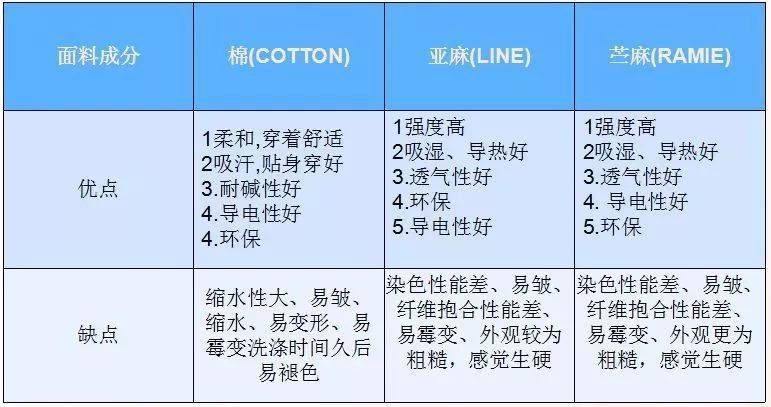
The difference between linen and gill
First, the appearance, the wrinkles, the prisms, the wrinkles, the muscular wrinkles, the natural nature of the linen, and the slow dispersion
Second, the fabric is loosely structured, the fabric is sewn between latitude lines, the fabric of the linen is very full and the linen is particularly glacial
Thirdly, in the event of water, the ricin products become hard, while the linen products are soft。
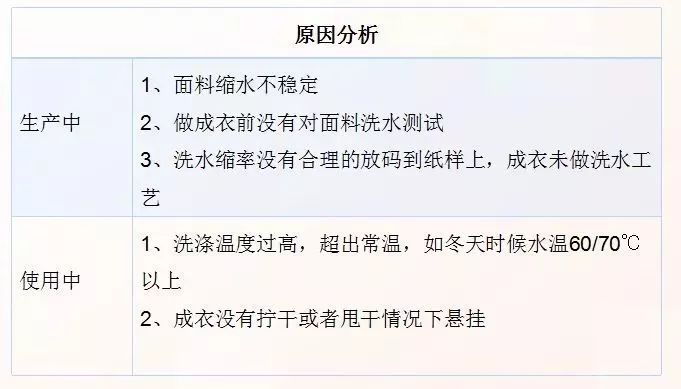
Category of common quality problems for cotton, lax products
I. Fabrication
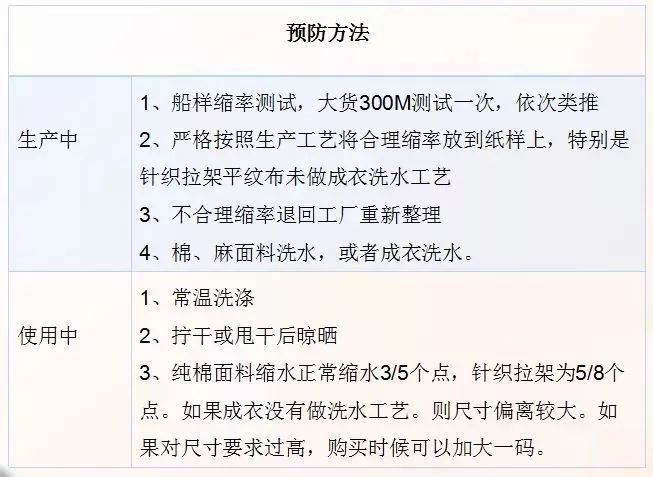
Ii. Floating fabric
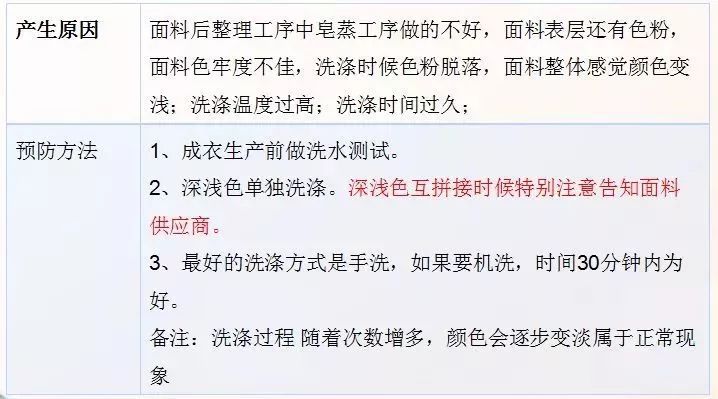
(1) the fabric is evenly faded and coloured
Note: clothes faded evenly during normal washing, without colour and colour hana
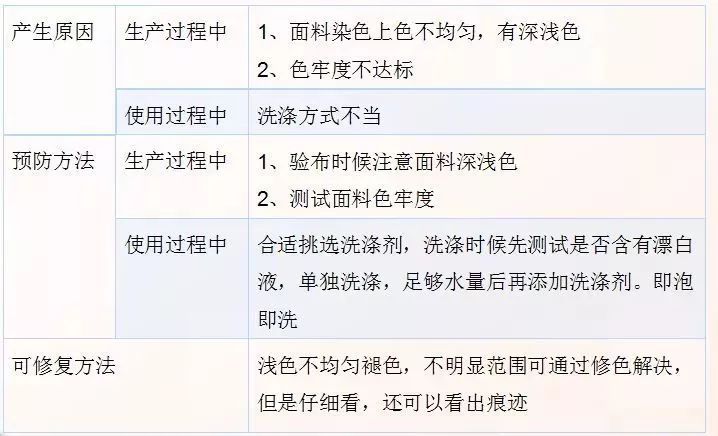
(2) floating of fabric (uneven faded)
Note: clothes faded unevenly, coloured and coloured during normal washing hana
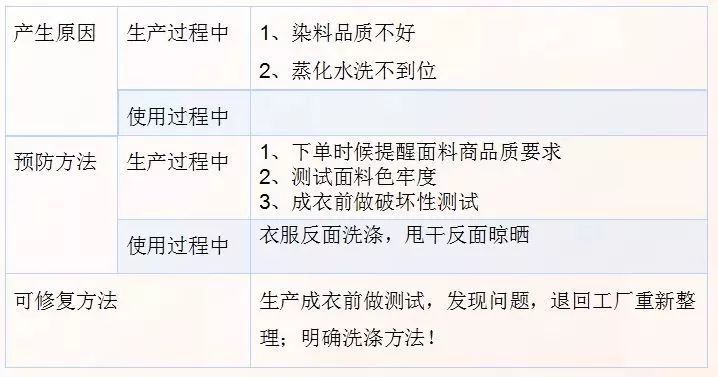
(3) fabric faded (print faded)
Note: fashion of fabric does not hold the colour of the skin to the standard, resulting in colour loss
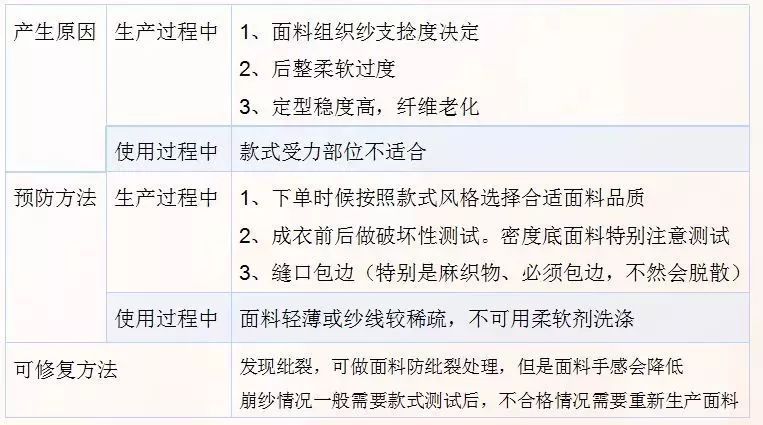
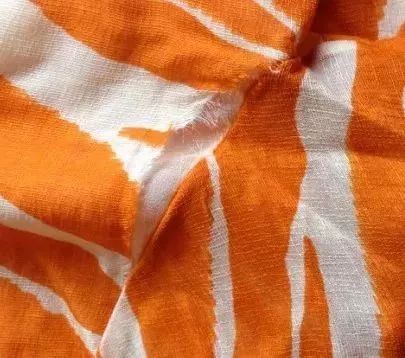
Iii. Fragmentation and laceration of fabric
Note: fragmentation of clothing means the exterior stretching of the clothing during its use, resulting in a slide of the fabric veil to or from the seams, resulting in the opening of the stitch. The veil is broken with some force。

Iv. Yellow and less radiant fabric
Description: the colour of the fabric is compared with the original colour during its preservation, the colour is yellow and no previous colour is fresh
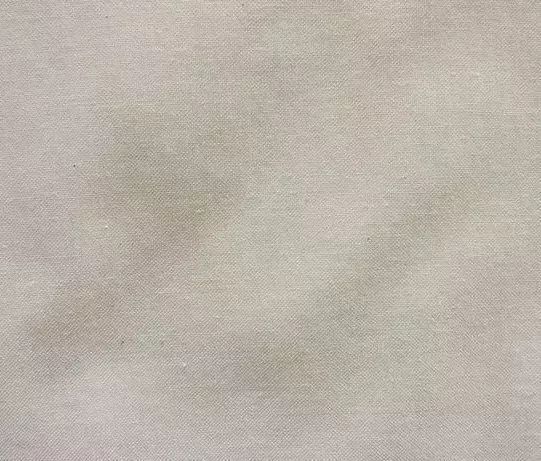
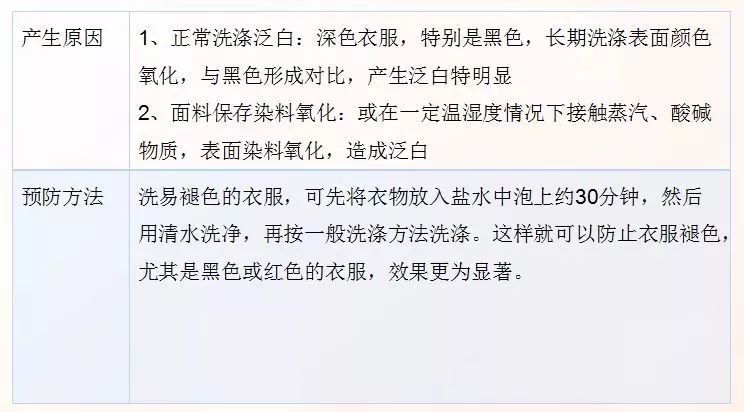
V. Complete fields
Note: the colour of the fabric is compared with the original colour, the colour is white and the surface is like a fog
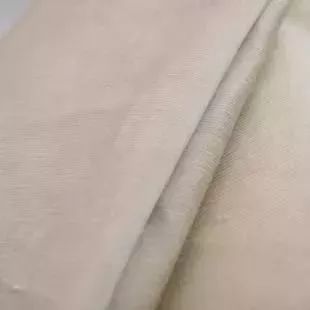
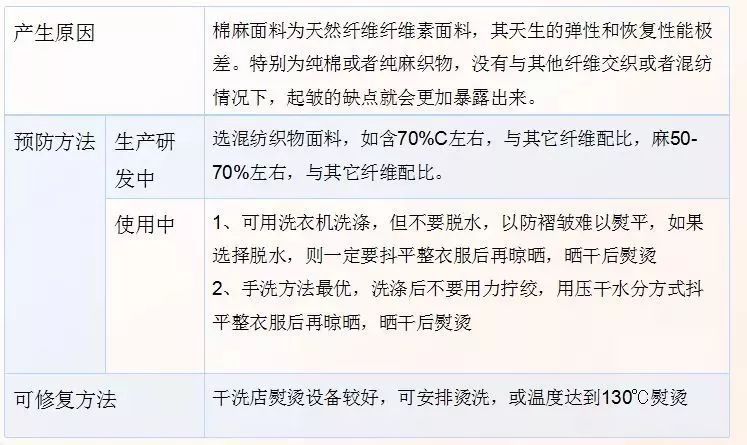
Note: the clothes are not flat after washing or wearing them。
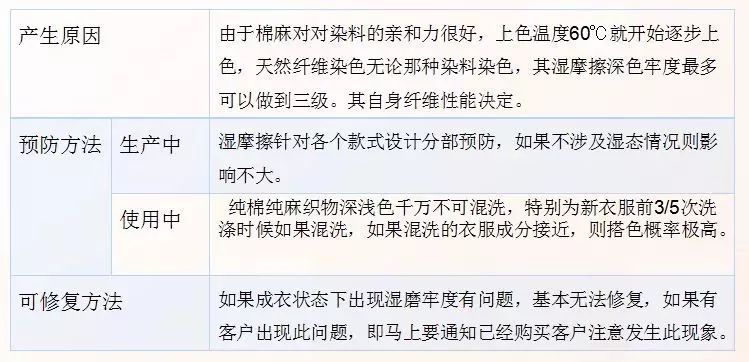
Note: colour stability of fabric friction with other fabrics in wet state. In cotton or sackclothes, rain and wet clothes, the colour is mixed in the coat or bag。