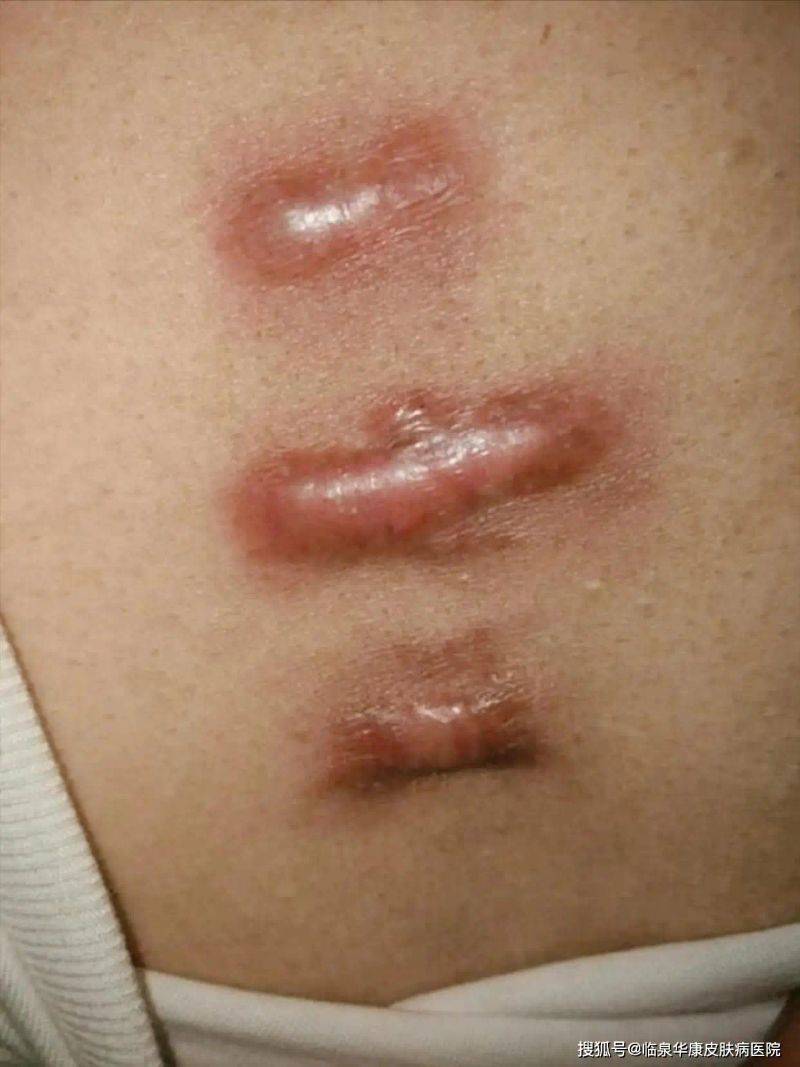
Have you ever been so troubled — when it's just a small wound, you have a red, hard scar? It's not a simple "dehygienic," it's a platinum rebellion. Scar growth is an excessive reaction to skin repair mechanisms, influenced by genetic factors and closely related to wound care。
The three most responsible for the increase in scars
The infection is the number one driver of scars. It not only prolongs healing time, but it also stimulates fibrosis. Inflammatory cells are like catalysts that make scar tissue grow wild. Our clinical observations have found that the risk of increased scarring in repeated infections is as high as three times that of ordinary wounds。
Skin tension is as critical as age. When the scar's direction is not consistent with the skin texture, the chronic hold will make the scar "wild vietnam courage". Growing growth hormones among young people are compounded by a significantly higher incidence of scars than in other age groups. The data show that the risk of scarring in the 15-30 age group is 47 per cent higher than in children。
The skin color hides another secret. The melancholy cell will be collided with a fibrous cell, making it easier for coloured people to grow scars. Clinical statistics indicate that the incidence of increased scarring in dark skin populations is 2-3 times higher than in light skin。
Two weapons against the growth of scars
Stress therapy, which has been tested for half a century, remains clinically preferred. The application of 20-30 mm/hg pressure through customized pressure suits can inhibit adhesive synthesis without compromising blood circulation. Studies have shown that maintaining 23 hours a day in stress clothes for 6 to 12 months can significantly improve the scar thickness of 60 to 85 per cent of patients. However, special attention needs to be paid to children who are affected by excessive pressure。
The closed effects of silicone products provide revolutionary breakthroughs. Silicon adhesive membrane softens oscillation by reducing the evaporation of skin water, increasing the water content of the angular layer by 40 per cent. Our clinical trials have confirmed that the continuous use of three to six months can lead to a 35 per cent reduction in the thickness of the abrasions and a 72 per cent reduction in the pain. Note, however, that silicone products may cause allergies and require close observation of skin reactions。
Four key points for scientific care
It is essential to seize the timing of the gold intervention. Pressure treatment should be initiated within two weeks of the noodle healing, while silicone membranes should last longer than 12 hours a day. Clinical observations indicate that post-mortem scar improvement has been reduced by about 30 per cent for patients who delay treatment。
Watch out for invisible killers in everyday life. Temperature sudden changes, emotional fluctuations and hot diets can all stimulate scarring. It is recommended to keep scar parts at constant temperatures and avoid mechanical frictions, which can reduce the risk of relapse by 25 per cent。
Periodic evaluation of adapted treatment programmes is indispensable. Pressure jackets need to be remeasured every 2-3 months, and silica diaphragms should be deactivated immediately. Follow-up data show a 50 per cent increase in treatment satisfaction for patients who are regulated to follow。
Psychological construction is equally important. Scar growth takes an average of 12-18 months to recover, and patient collaboration directly affects the end effect. Establishing reasonable expectations and avoiding midway abandonment is the psychological cornerstone for overcoming the scars。
Scar growth is both a medical problem and a game of skin and time. Through scientific cognitive development mechanisms, standardized application of treatments, coupled with patient care, most of the increased scars are significantly improved. Remember, timely intervention and adherence to treatment are more relevant than a struggle with "physical problems". When you understand these principles, you can take the initiative in confronting the scars。