Diabetes health guidance has many components, including diet, exercise, medication, prevention of complications, psychology, etc。
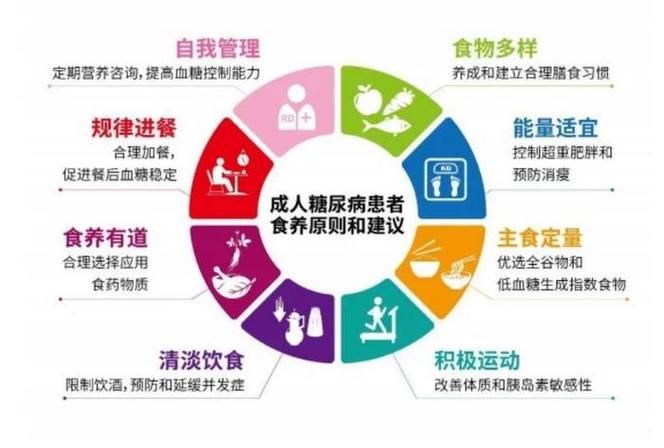
1. Diet
To reduce the dependence of diabetics on drugs by adjusting the dietary structure to assist in strengthening treatment. Foods with higher sugar content, high cholesterol and alcohol are not consumed, spicy irritant foods are less consumed, and five grains of grubs, beans and beans are more consumed. In addition, bitter melons, sauna, onions, mushrooms and grapefruits can assist in reducing blood sugar, which is the ideal food for diabetics。
2. Sports
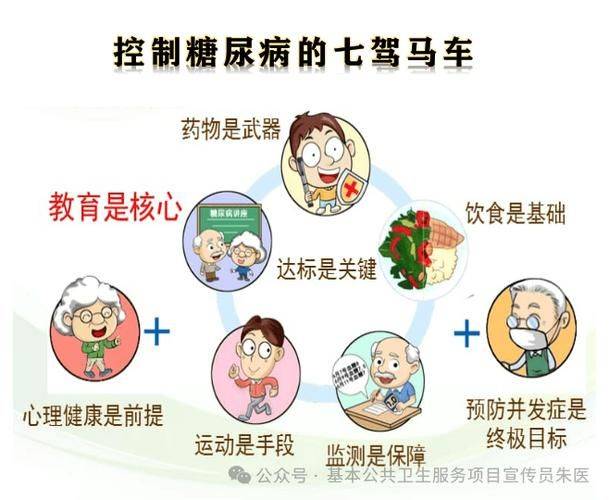
Appropriate exercise enhances health, sensitizes insulin, improves blood resin metabolism, regulates weight and prevents complications. After the exercise, there should be a sense of comfort and proper food to avoid low blood sugar. Choose the type of sport according to the patient's condition, such as aerobic exercise such as walking, jogging, cycling, boxing in tai chi, kicking in tarts, ball sports, etc. In keeping with the principle of step-by-step continuity, sports should be conducted at the end of the meal。
3. Drugs
Diabetes is a lifelong disease, with relatively different side effects and adverse effects regardless of the type of sugar medicine used by the patient. The patient should be properly informed about the time, use and quantity of the medication, such as the exceptional type of medication used before or after the meal, be accurate and be more careful when using the joint medicine, not overdose or reuse. Insulin is injected half an hour before the meal and is served on time. Depending on the condition of blood sugar, a doctor adjusts the dose of the drug in order to prevent the patient from misusing or blindly increasing the dose。
4. Prevention of complications

(d) to ensure that patients and their families are properly informed about the complications of diabetes through the implementation of diet and sports programmes for diabetes patients. Regular visits to hospitals for blood sugar and urine surveillance to provide a comprehensive picture of the level of use and control. Portable blood sugar can also be used for self-testing of blood sugar, frequent blood pressure, blood resin, active control of hypertension and treatment of high blood resin, periodic examination of eye, eye pressure and protection from visual crisis damage such as retina disease. Shoes and socks must fit their feet, be healthy and ventilated to prevent the disabling of the surrounding neurological and vascular conditions. Those with serious symptoms are sent to hospital in time to avoid delays。
5. Psychological
Because diabetes is a chronic, life-long disease and patients lack medical knowledge, combined with environmental factors, it can lead to loneliness, anxiety, depression, pessimism, fear and even anaemicness. In the early stages of a disease, timely psychological counselling should be provided to help patients to accept the facts of the disease, change their roles as quickly as possible and treat them, contribute to the early management of the disease, and encourage the participation of families to increase their confidence in combating the disease。
39 healthnet (www. 39. Net), monograph not to be reproduced without written authorization。