Competing research is an important market research activity that can help enterprises to develop effective strategic decision-making by understanding industry realities, competition patterns, rival advantages, market opportunities and risks. The paper presents the basic methods and steps of competition research and demonstrates the best practices and value of competition research in the context of specific cases provided to clients by consulting firms。
Competing research is a market research activity that provides a reference and basis for its own strategic decision-making by collecting, analysing and assessing relevant information on competitors to understand their strategic objectives, core competencies, market performance, strengths and weaknesses, trends in development, etc. Competing research can help enterprises:
(b) understanding the current state of the industry and trends and harnessing market opportunities and risks
Identifying and assessing the strategic intentions and action plans of competitors and predicting their future trends and impacts
(b) to analyse and compare its advantages and disadvantages vis-à-vis competitors and identify gaps and improvements
Develop or adjust their own strategic objectives, positioning and action programmes to increase competitiveness and market share。
The basic methods of competition research include:
Documentation law: access to basic information and data on competitors through access to publicly available documentation, such as industry reports, news reports, official websites, annual newspapers, stock calls, etc.
(a) observation law: to understand the characteristics and performance of competitors through direct or indirect observations of their products, services, channels, marketing activities, etc.
Interviews: to obtain internal and external evaluations through interviews or questionnaires with relevant persons, including competitors ' employees, clients, suppliers, partners, etc.
(b) trial method: assessment of the quality and performance of competitors through trial or testing of their products or services by themselves or by commissioning them to third parties
Simulation: to predict the future movement and impact of competitors by building models or scenarios of their potential behaviour and reactions。
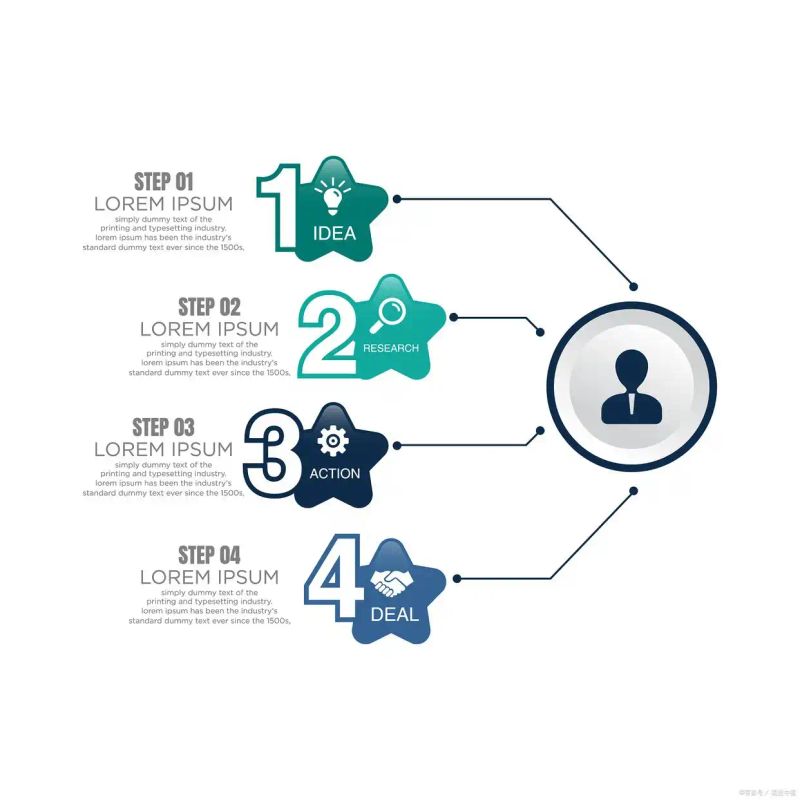
The basic steps of the competition research include:
(b) setting research objectives: defining the objectives, scope and requirements of research and developing research plans and programmes
(a) identification of the target audience: selection of the main competitors for the study, based on criteria such as market share, visibility and influence
Disaggregating research: disaggregating specific research issues based on different dimensions, such as strategies, products, prices, channels, marketing, etc.
(b) collection of research information: using the above methodology, collection of information and data on competitors from multiple sources
Analysis of findings: analysis and summary of information and data on competitors using methods such as statistical analysis, comparative analysis and swot analysis
• preparation of research reports: the results of these studies are compiled into reports, and findings and recommendations are presented to inform decision-making。
A consulting firm is a professional market research and advisory body with 14 years of industry experience and a wealth of case studies, providing a full range of competition research services to clients, helping them understand the competitive environment and develop effective strategic decisions. The following are specific examples provided to clients by consulting firms that demonstrate the best practices and value of competition research。
Case i: research by competitors on an electric power platform
Background: an electric power company, a vertical power provider with a focus on mother and child products, is faced with intense competition from the same industry and across industries. It is hoped that through its competitors ' research, it will be able to understand the current situation and trends in the industry, analyse the competition's strategies, products, prices, channels, marketing, etc., and identify its strengths, weaknesses and differences and develop more targeted development strategies。
Methodology: using literature, observation, interview, trial methods, etc., consulting firms collect relevant information and data on competitors from multiple sources and conduct in-depth analysis and stocktaking。
Result: the consulting firm provided the client with a detailed competition study, including the following:
(a) analysis of the current situation and trends in the sector: presentation of market size, growth rates, consumption patterns, user demand, drivers of development and challenges in the mother-and-child utility sector
(b) analysis of competition patterns: presentation of the main players in the mother-child utility electrician industry, market share, competitiveness assessment, cooperation and m & as
Competing analysis: four main competitors (mothers and mothers of kyoto, suning red children, bebenets, emeralds) selected by their clients, conducted detailed analyses of strategies, products, prices, channels, marketing, etc., and gave a positive and negative evaluation
Self-positioning analysis: self-assessment of the client's own situation in terms of strategies, products, prices, channels, marketing, etc., and comparison with competitors to identify strengths and weaknesses, as well as differences
Development proposals: based on the findings, targeted development recommendations were made to clients, including how to use their strengths and differences to increase brand visibility and loyalty; how to improve their own disadvantages and weaknesses and improve the quality of their products and services; how to seize market opportunities and trends and expand new goods and channels; and how to address market risks and challenges and guard against the threats of competitors。
Value: through the research services of the competitions of consulting firms, clients have gained a comprehensive and in-depth understanding of the industry and the counterparty, which provides a basis for developing more responsive and effective development strategies. The client expressed great satisfaction that the consulting firm was a professional and reliable market research and advisory body and wished to continue its cooperation with it。
Case ii: research by competitors of a car manufacturer
Background: an automobile manufacturer, an internationally renowned brand with a 100-year history, mainly producing high-end luxury cars, faced challenges from competitors at the same level and lower, wishing to learn about the technological innovations of competitors, product design, market strategies, customer satisfaction, etc., through competitive research, to identify its core competitiveness and potential risks and to develop more forward-looking and adaptive development strategies。
Methodology: using literature, observations, interviews, simulations, etc., consulting firms collect relevant information and data from competitors from multiple sources and conduct in-depth analyses and summaries。
Result: the consulting firm provided the client with a detailed competition study, including the following:
(a) analysis of the current situation and trends in the industry: presentation of market size, growth rates, consumption characteristics, user demand, drivers of development and challenges in the high-end luxury automobile industry
(a) analysis of competition patterns: presentation of key players in the high-end luxury automobile industry, market share, competitiveness assessment, cooperation and mergers and acquisitions
Competing analysis: four main competitors (benz, bmw, audi, tesla) selected by their clients, conducted detailed analyses in the areas of technological innovation, product design, market strategy, customer satisfaction, etc., and provided a positive and negative assessment
(a) self-positioning analysis: based on the client's own situation, self-assessments were carried out in the areas of technological innovation, product design, market strategy, client satisfaction and compared with competitors, identifying its core competitiveness and potential risks
Development proposals: based on the findings, targeted development recommendations were made to clients, including how to enhance technological innovation and product design and improve product quality and performance; how to optimize market strategies and channel layouts and increase market coverage and share; how to increase customer satisfaction and loyalty and enhance brand influence and reputation; and how to respond to market changes at the lower end and with new energy, maintaining the leading and differential advantage。
Value: through the research services of the competitions of consulting firms, clients have gained comprehensive and in-depth knowledge of the industry and the counterparty, which has provided them with a basis for developing more forward-looking and adaptive development strategies。