In the process of growing bean bean bean bean bean beans, there is a low rate of bean bean fare. With the exception of seed problems, most of the factors are due to poor management of the season. I'm saying there's probably a different voice. But you'll see if there's any reason to take a look at the management of the soybeans i'm talking about later. And finally, you decide whether i'm talking right or not. And what i'm talking about is probably just a part of what i know. There may also be other factors that affect the situation of bean-bean fruit, which requires the support of a wide range of netizens. Next, i'll talk briefly about some of my personal observations。
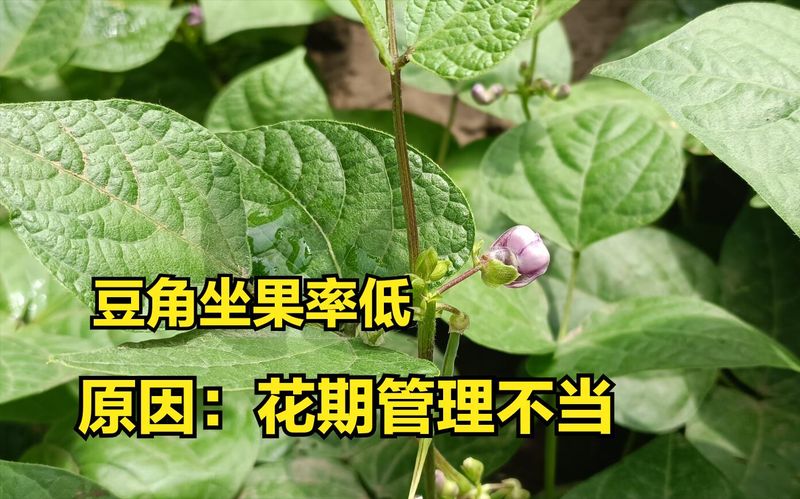
The bean bean season, it determines the soybean rate. In the case of bean bean season, these factors are not well managed. It has a direct impact on the question of whether the bean bean is sitting in fruit and whether the fruit is sitting in fruit, and these factors include temperature, irrigation, fertilization and pesticide use. In short, as long as one of them is not done, the soybean ratio will have an impact. And then let's talk about the impact on the soybeans。
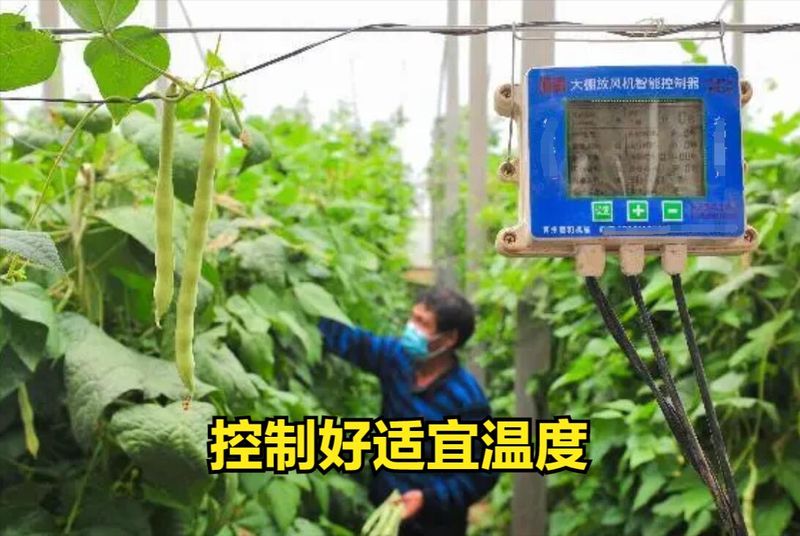
First factor: temperature
With regard to the relationship between soybeans and temperature, it is very clear to you that high temperatures can lead to lower semen. This is due to the fact that, when the temperature is high, it leads to a growing of bean bean bean horns and is not accompanied by a flowering bean. The optimal growth temperature for bean bean bean is between 20 and 24 degrees, and once the temperature is above 25 degrees, the seating rate decreases and, if it is above 28 degrees, it is significantly lower, with a direct impact on output。
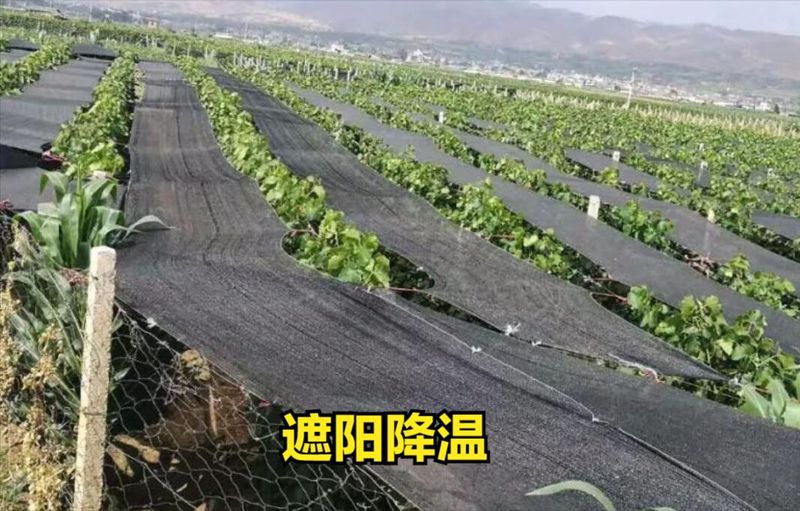
For temperature management, the temperature of open-air cultivation is generally not easily controlled, and many growers use simple sunnets for temperature control. And the sheds grow bean horns, and this temperature must be controlled. Because the heat is very strong, a slight lack of attention can cause high temperatures to trigger the drops. The cooling of ventilation must be done, otherwise it can lead to high temperatures。
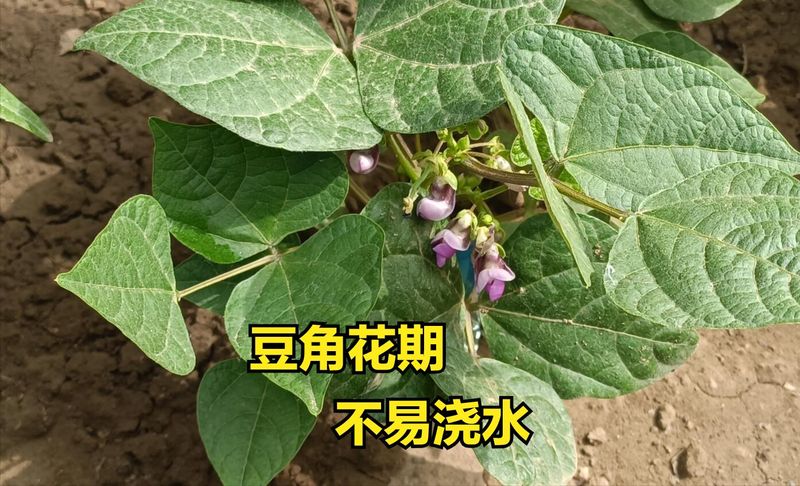
Second factor: the problem of irrigation water quantity
There's a lot of talk about soybean season, and there's a saying about soybean irrigation, "dry flowers and wet clamps," you know what it means? In short, dry flowers, i. E. Bean bean seasons, are waterless, and a certain degree of moisture is guaranteed. And the wet clamp, it's sitting on the bean horn after the fruit, and then watering it so that the bean bean doesn't fall。
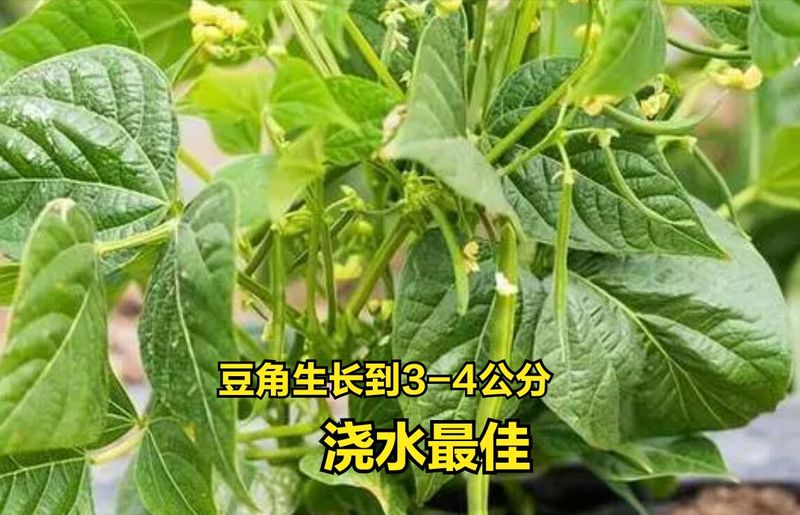
In the case of irrigation, a small water irrigation is usually carried out around the week before the flowering, waiting for a bouquet to grow three to four centimeters earlier, and this suitable sitting fruit is more solid. It is then irrigated with large water or condensed with water, so that the bean can grow with sufficient moisture and nutrients. The rationale is probably as simple as that, with no irrigated seasons and, if drought is more severe, only small water。
Third factor: lack of elemental fat
There is also a lack of trace elements. The most common of these is the lack of boron, which also leads to the fall of flowers, not only in bean-fruit cultivation, but also in other crops or fruit trees. Flows occur, often due to inadequate boron fat in the soil, underdevelopment of crop roots or special drought of the soil, leading to underabsorbing of boron fat to lack of boron。
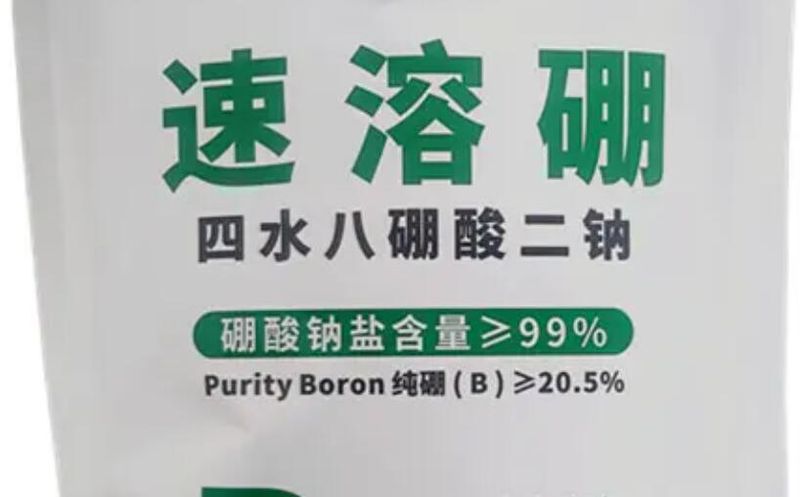
The solution is also simpler to avoid a lack of boron that leads to the fallout. There is already folate fat, which only needs to be sprayed 7 to 10 days before the flower. The boron fat that is needed for this bean horn to bloom can be replenished. It's usually used for four-year-olds, and it's very small and expensive, and it can be used。
Fourth factor: misuse of pesticides
There was also a situation that led to the fall of the bean corner. It is during the bean bean season that some pesticides are sprayed, which is also an important factor in soybeans not sitting down. Among them, bean bean or other crops, flowering periods are very sensitive and may lead to fruitlessness. Bean bean itself is a sensitive crop for pesticides, in particular the pesticide accelerazine, which is generally followed by yellow leaf and, in serious cases, very severe flowering。
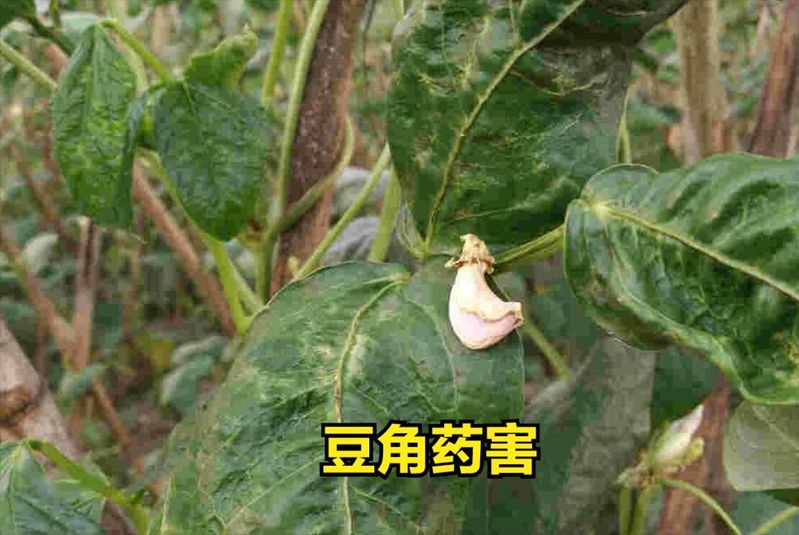
In the process of growing bean bean beans, even if pesticides are used, it is important to avoid flowering periods. The concentration of the drug is also reduced by as much as possible, otherwise it will have an impact on the bean horn plant. Don't end it. It's a big joke. The selection of organic pesticides to the extent possible is less harmful to bean bean horns. The specific disease, the choice of the corresponding pesticide, is sufficient. I'll recommend a different drug. Otherwise the netizens should call me a pesticide salesman, which is bad。
In conclusion, most of the factors that lead to the fall of the bean horns are due to the excessive volume and temperature of irrigation water, which is common in the soybean horns. And for boron fertilizer and pesticides, this factor is possible. One, the lack of boron, is really hard to determine. The demand for boron fertilizer in the general crop is very long and, in the event that it is available, some boron fertilizer can be applied to the bottom. The problems caused by this pesticide are easier to judge. In the case of flowering after flowering, it is essentially a pesticide problem. The solution would be to spray a large amount of water or some growth agent, which would hopefully be mitigated. If you want to grow bean horns, remember the four points above. "creative challenge 7"