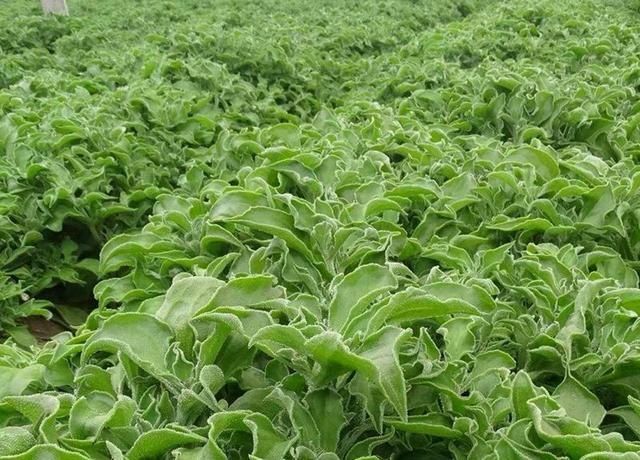
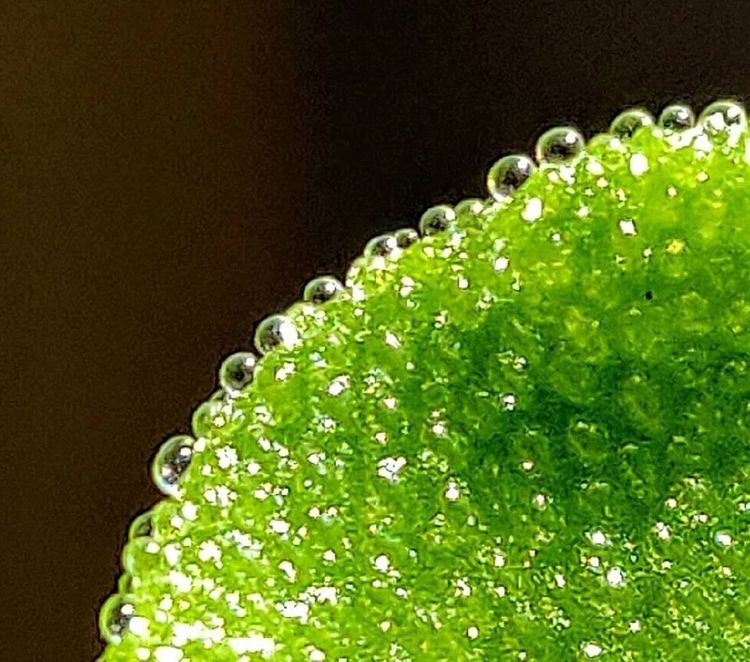
Ice picks, also known as ice grass, crystal ice straw, ice leaves, originally produced in southern africa, are double leaf grasses in apricot days. The icy tubers are half-creams, who grow straight at the beginning, scrawny at the end, have strong branches, have thick leaves, are fat, are green, and have a large number of bubbles on their surfaces, like transparent crystals. Ice-cuilled foods are clear, tastes unique, and their own bubble cells have a taste of brackish, raw or fried food and are of high nutritional value。
As a new type of health vegetable, iced vegetables are rich in a variety of nutrients, such as pineol, muscular alcohol, acetone-like compounds, carrots and natural mineral salt, which are assisted by a combination of diseases such as hypertension, high blood resin and are rich in amino acids and antioxidants, and have strong health functions for the human body。
Home eating:
The main food portion of the iced vegetables consists of saps and leaves, which make salads, blends, soups or hot pots, etc. Because of the salty taste of iced vegetables themselves, salt use is reduced appropriately in the seasoning。
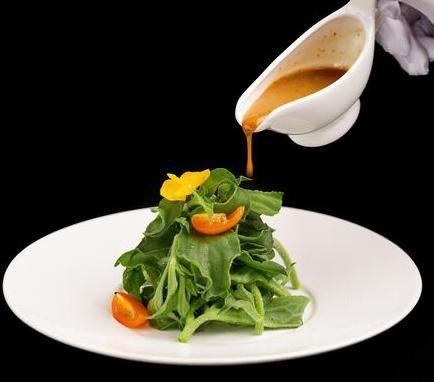
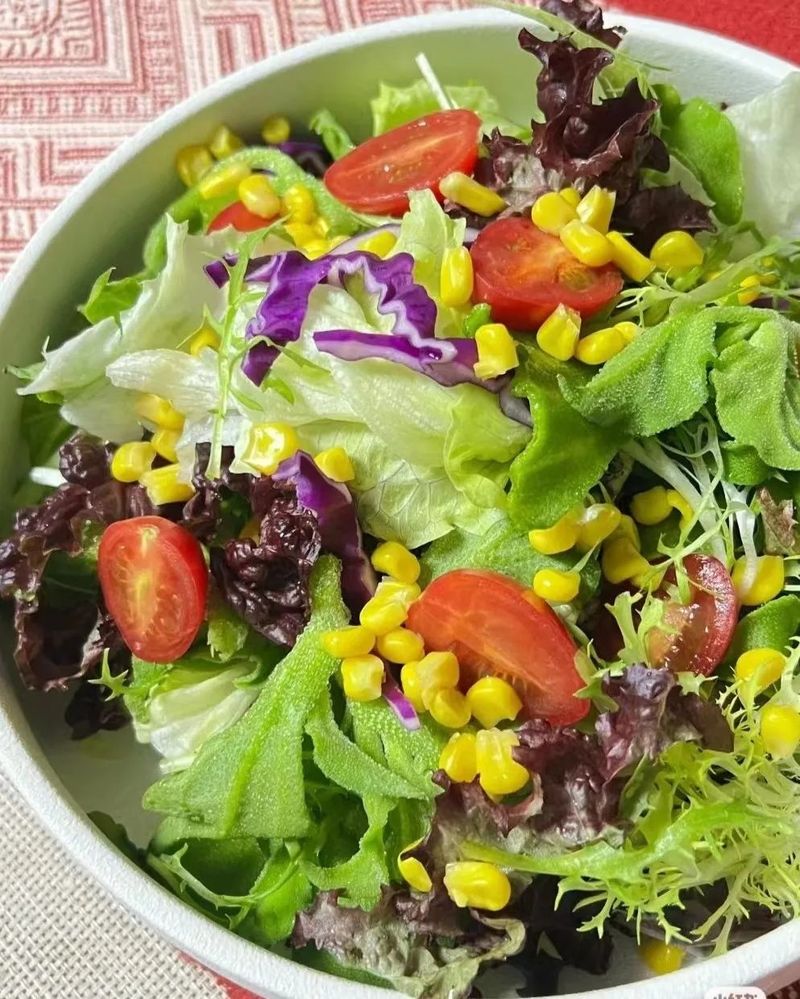
One, iced salad
After cleaning up the leachate, sesame sauce, peanut butter or salad sauce, etc. Other vegetables, such as cherry tomatoes, cucumbers and purple glycées, can also be compared with the oral level and colour。
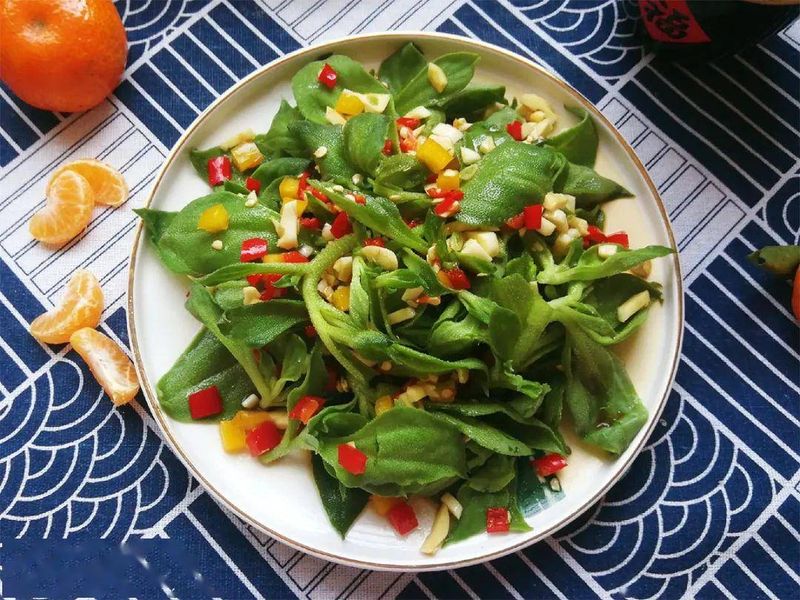
Two, ice cream
It can be used to boil quickly with open water, to make sauces, and to even up the ice cream with garlic paste, pepper, sugar, raw smoke, sesame oil and perfume。
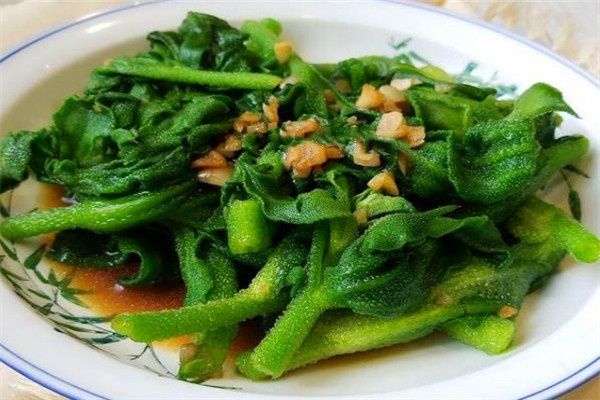
Three, hot
You can cook, like garlic ice cream, ice cream eggs, ice cream shrimp, etc. A fast-drink water can be used to maintain a green and ablaze before the fire is cleared, and then ready to go with other food items。
Four, the pot
As a pot of fire, ice can be put into a pot of fire for a little bit。
Plantation management:
In africa, where ice-cuilled vegetables are produced, cold-resistant, high-temperature growth is stagnant at more than 30°c and leaves are wrinkled smaller, so planting is done in such a way as to avoid high summer temperatures and to opt for spring and autumn periods. In order to avoid flooding caused by rainfall, ice-cooked vegetables can be cultivated in protected areas such as greenhouses and huts. Spring springs in the beijing area can be planted between december and late january, and the earliest springs can be marketed around mid-february, if planted in mid-february and collected from mid-march to early june. Autumn plants allow winterization, planting seedlings in mid-august, planting in mid-october, ready for marketing in early november, and have been collected since mid-may。
One, the whole place. In combination, the acre is covered with organic fertilizer of 2,000-3000 kg, tri-dollar compound fertilizer (n-p-k for 15-15) of 25-30 kg, the whole dredge is made of radon, 80 cm wide, 15-20 cm high and the ditch is 30 cm wide。
2. Cultivation. They can be grown in two rows, 35 to 40 centimetres and 40 to 50 centimetres, with about 3,500 plants per acre, when the seedling grows to 4 to 5 leafs。
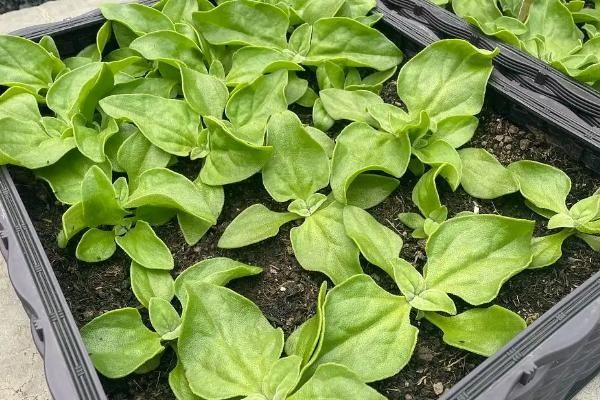
3. Fertilizer management。
When the leaves are slightly atrophy, the water is poured into the water, which is appropriate for the wetness of the face and the absence of water from the bottom of the ditch. The moderate management of water facilitates the formation of a flat saline-containing bubble of the leaf and increases its commerciality. After planting the seedlings, water soluble fertilizers (n:p2o5:k2o=30:10:10) 1 to 2 kg per acre can be used in combination with water and once every 2 to 3 weeks。
4. Temperature management. Ice vegetables are cold and intolerant to heat, grow at 15-25°c, are thin and ageing at more than 30°c, and should be weathered and dehumidized during high temperatures. For winter festivals at low temperatures, the temperature at night is kept at 7-8°c。
5. Collection. After 30 to 40 days of planting, the plant is grown up to about 50 cm and can be harvested when the side branches are 10 to 15 cm long. The side branches cut down eight to 10 centimetres down from the tip of the stem for food, left one pair of functional leaves in the first section of the branch, and then grew new buds, which could still be harvested. (contribution: beijing city agricultural rural advocacy centre)