What kind of grass is missing from the three north project? In recent days, the national forest and grass office has produced a supply and demand analysis report for the “thir north” project, 2026, which provides an answer. • high-quality grass-breeds that are drought-resistant, infertile, saline-resistant and sand-fixing, taking into account the value of ecological restoration and fodder, have become core needs for the construction of the “tri-north” project。
Upgrading and sustainable development of the ice-grass new species enabling industry
Mononon1 mongolian icegrass: the first grass species to repair degraded grasslands in arid and semi-arid areas and prevent soil erosion。
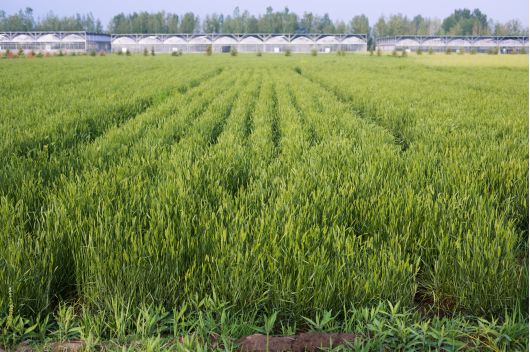
Mononon 4 icegrass: resilient production, ecological feeding, significant production gains, high nutrition value。
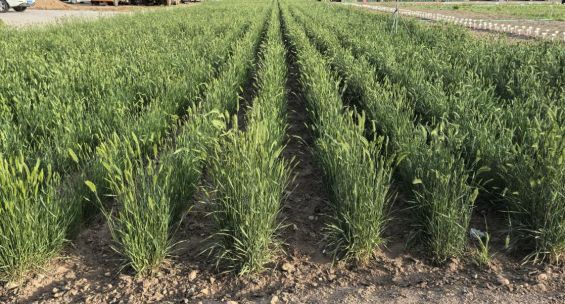
The development of criteria such as the technical protocol for the expansion of icegrass seeds, mononon no. 1, the technical protocol for the clean re-emergence of mongolian icegrass, uses a system of standardized and fine management and scalable cultivation techniques to address extreme arid areas, problems of mobile sand seedlings, weak sand and short-lived problems by combining a large number of self-study, introduction of machinery to improve their resilience and seed production through rational configuration。
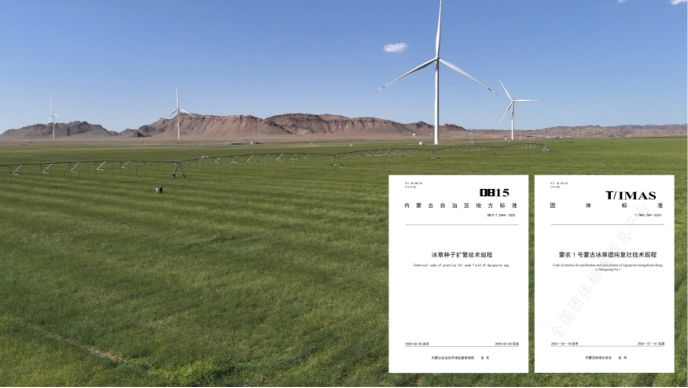
9000 acres of mononon1 mongolian ice savannah field, high-quality seed base, urat
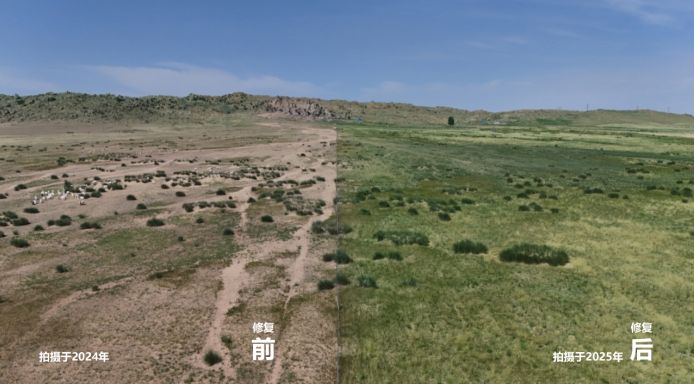
Use of grass species such as mononon1 to treat the 112,000 acres of soil saline in urat
New varieties of herb are cold, drought-resistant and highly productive “compatible”
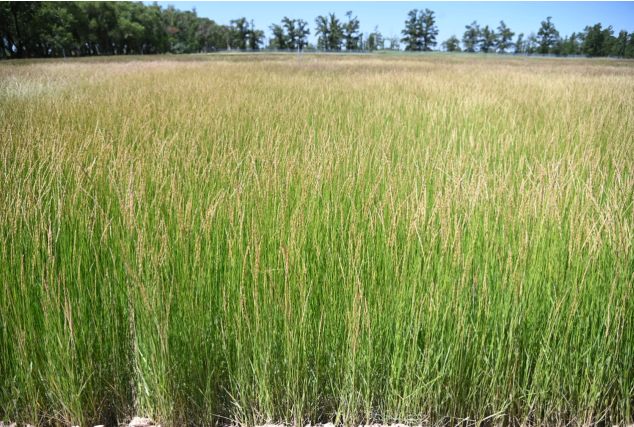
Balhowe weed: over 95 per cent winterization in high-cold areas, 9-10 per cent increase in hay production compared to the wild seed population and 10-20 per cent increase in seed production compared to wild species, are the most effective grass in the current ecological rehabilitation of degraded grasslands。
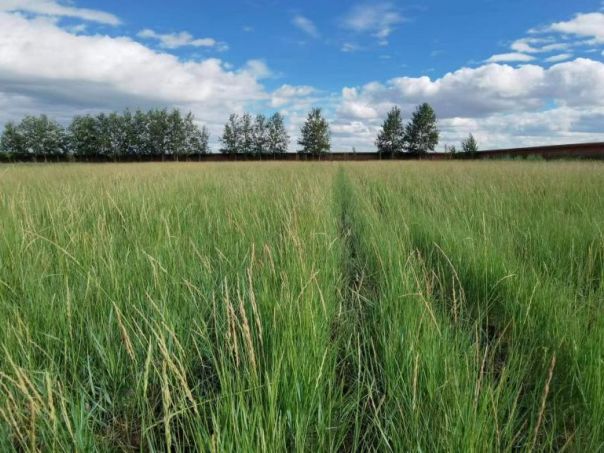
Straw 27: cold, drought-resistant, salin-resistant, herd-resistant, high-yielding, new varieties of preferred plants that can be used for artificial grassland construction, replanting, improvement and restoration, as well as for desertification management and soil conservation。
Local standards have been developed for the joint harvest technique of herb seeds, which are complemented by a joint harvester of herb seeds, which regulates the technical processes of mechanical operations, improves the quality and efficiency of herb seeds harvests, and addresses low rates of sandy grassland activity, impatience and slow ecological restoration。
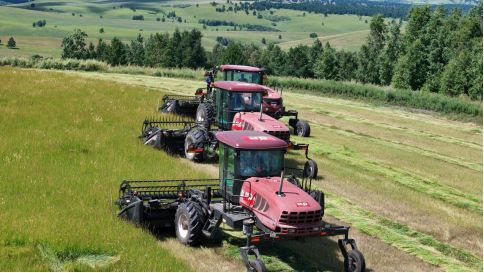
Co-harvesting of sheep grass seeds
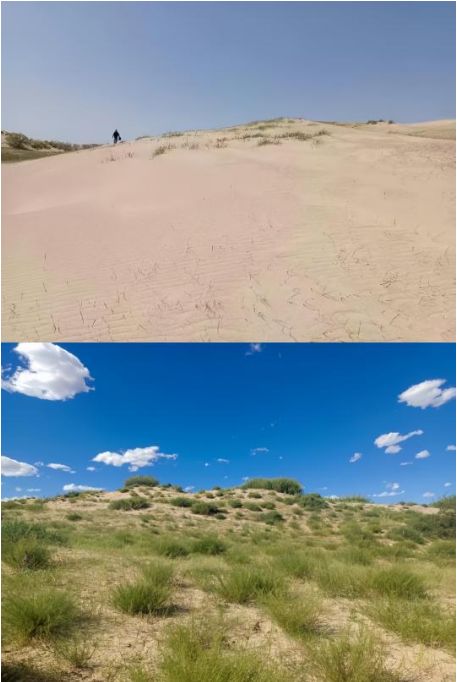
Comparison of the application of weeds in the general area of mongolia for sand management
Three rivers of wheatgrass high in the cold
Drought-resistant, well-developed and productive, can be the preferred species in the management of sand in high-cold areas and in the rehabilitation of mines。
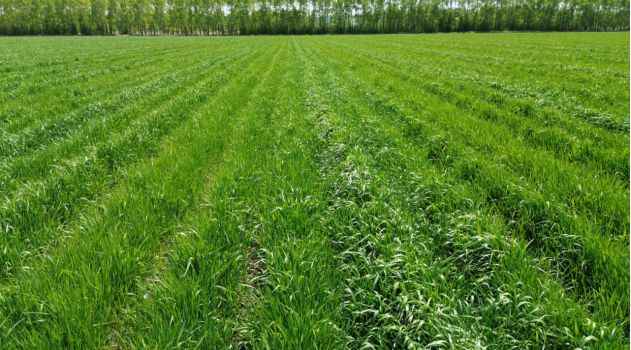
Three rivers of wheatgrass is used at the gyokshiyan breeding base. It's luminous. High
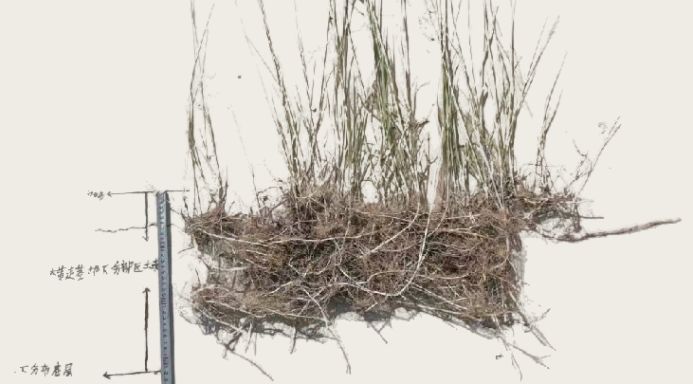
Three rivers of wheat roots are well developed, resistant and stable to sand
Development of standards such as the technical instructions for land governance of the massage of rural grasslands and the creation of patents for inventions such as “a plant-growing method for sandland management and a method for sandland management” to support scaling, standardized sand management, rapid increase in grassland productivity and address saline sandland, degraded grassland improvement and low survival。

The resulting patents on inventions provide core safeguards for the promotion of tri-river wheat grass in ecological restoration
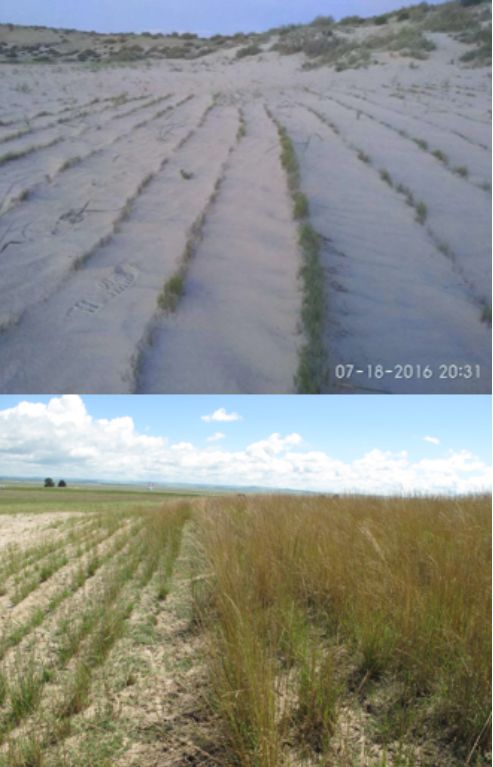
Use of tri-river wheat grass for sand management to create stable communities in the first and second years
Lake huron's agglomerations are extremely resistant to cold, high yield, cattle and sheep
Cold, drought, infertile, wind and sand-resistant, disease-resistant, nutritionally well-nourished, healthy, livestock-friendly, nutritionally coarse proteins of 17. 80% and fats of 2. 21%。
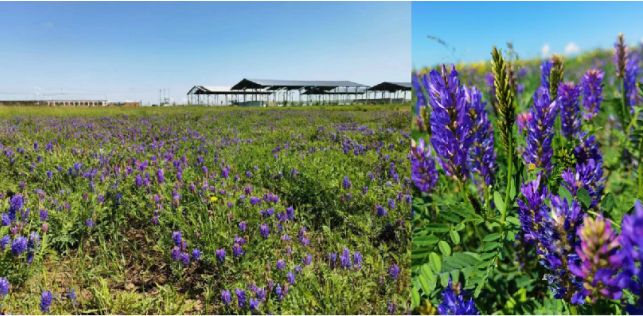
To address the problem of sandproofing, poor restoration of degraded grasslands and low land productivity in high-cold and dry areas, suitable for mixing with weeds, thereby maintaining grassland biodiversity, improving the quality of fodder and balancing soil nutrients。
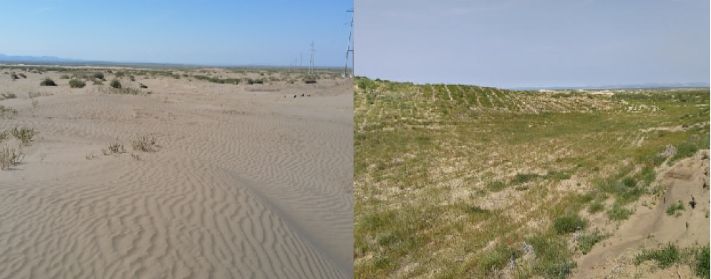
Lake hulun after the stubbles are used sand land
A total of 280,000 acres of good breeding and grazing sites have been set up throughout the country, based on intelligent grass-plant workshops, scientific matching of different country grass-breeds, customized into seed eco-packs, supported by a full chain of “generic-standard-patent-technical-mechanical-product-supply” support, ranging from sporadic replanting to the management of millions of acres of serials, which can achieve “order” precision offerings and ensure that the “tri-north” project is available and applicable。