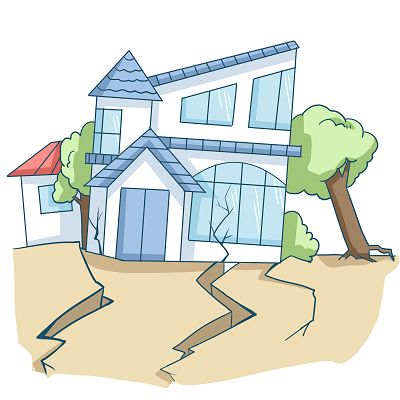
As science and technology continue to advance, the knowledge of earthquake mitigation and mitigation is becoming more and more aware of natural disasters. Earthquakes, as a common natural disaster, pose an immeasurable threat to people's lives. The dissemination of knowledge on earthquake mitigation is therefore particularly important. The paper will provide a detailed analysis of several important topics with a view to increasing the awareness and responsiveness of readers to knowledge on earthquake-proof mitigation. First, let us talk about the causes and characteristics of the earthquake. Earthquakes are the release of energy from within the earth, which causes the crust to vibrate. The energy of the earthquake is derived from the internal heat of the earth and the movement of the crust plates. The characteristics of earthquakes include, inter alia, seismic sources, their depth, magnitude and intensity. Understanding the causes and characteristics of earthquakes is important for a better understanding of earthquake prevention and mitigation knowledge. Secondly, what are the basic principles of earthquake mitigation? What should we do effectively in the face of earthquakes? First, the national early warning mechanism should be implemented resolutely. The construction and improvement of an early warning system for earthquakes has an important role to play in preventing disasters in advance. Second, the design and reinforcement of the buildings should be strengthened. The selection of appropriate building materials, the rational design of building structures, and regular inspections and reinforcements can significantly reduce the damage to buildings caused by earthquakes. It was also important to strengthen public education on earthquake prevention and mitigation. Building knowledge about earthquakes and teaching people how to respond to them correctly can increase public awareness of safety and resilience. Finally, we need to know some contingency measures. In the aftermath of an earthquake, the right emergency response can minimize losses. First, remain calm and take appropriate protection positions, such as hiding under the table, standing at the door, etc. In addition, attention should be paid to safe passage, avoiding congestion and ensuring their own security. Subsequently, electrical equipment was shut down in a timely manner and fire-prone items such as open fires were not used. In addition, sudden aftershocks should be observed to avoid further disasters. In sum, earthquakes are common natural disasters that pose a serious threat to people's lives and property. We should therefore focus on the dissemination of knowledge on earthquake prevention and mitigation and on enhancing public awareness of and response to earthquakes. Understanding the causes and characteristics of earthquakes, mastering the basic principles of earthquake mitigation and emergency response help us to better prevent and reduce the damage caused by earthquakes. In the age of science and technology and information, increased dissemination and dissemination of knowledge on earthquake mitigation will be important for people's lives and sustainable social development。