The most vulnerable members of society are children whose nature is moving, their curiosity, their exploration and their low self-protection awareness. Thus, safety awareness education in kindergartens is particularly important. So we also educate our children about safety to enhance their ability to protect themselves。
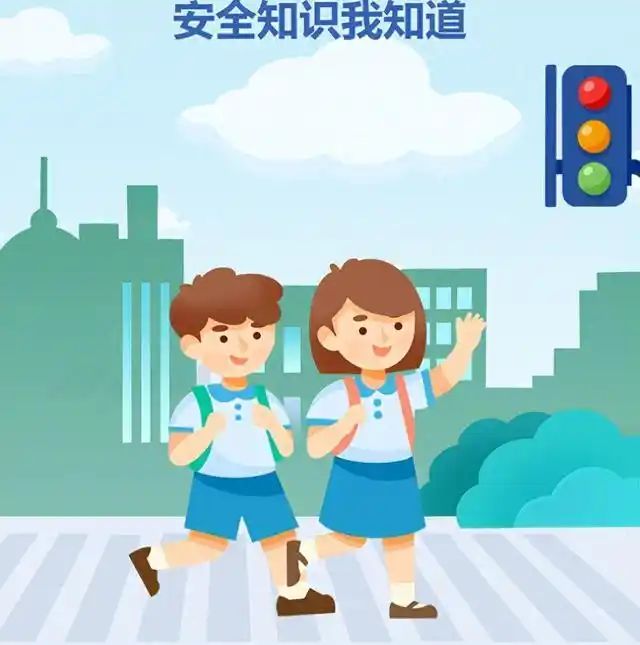
I know the rules
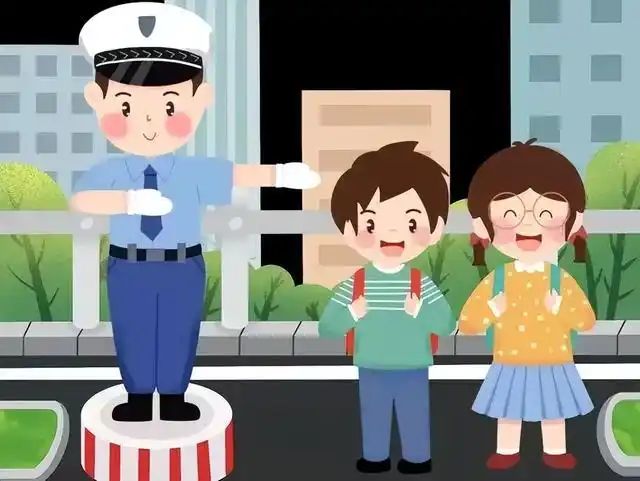
1. On foot, the sidewalk is to be followed by the vehicle on the left side, followed by the vehicle on the right side. Crossing is subject to traffic lights, which are accessible when green lights are on, and are prohibited when red lights are on。
2. When crossing the street, they must take care of their parents and must not break free or chase after them。
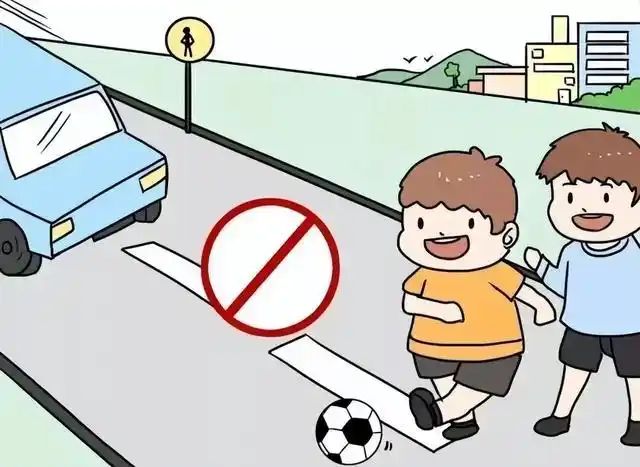
3. There is no right to play on the road and to play at designated places, such as playgrounds, sub-districts and no vehicle. Remember, no play on the road. No play, run, kick, etc. In motor lanes, non-motorized lanes。
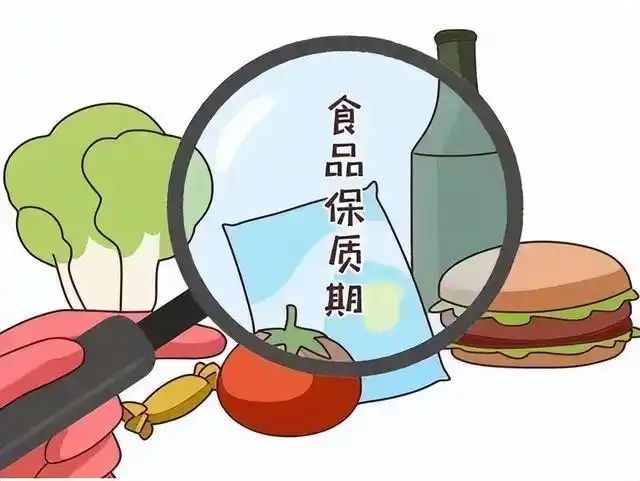
I know about food safety
In particular, children need to be informed of good hygiene practices。

1. To wash your hands, to keep your diet healthy and to prevent the entry of diseases through the mouth。
2. No drinking of raw water, no eating of expired or spoiled food to prevent diarrhea。
3. Eat less and avoid indigestion。
Reduce the consumption of raw and cold foods, such as ice cream, popsicles, etc。
5. Eat more fruits and vegetables and less fried food and sugary drinks。
6. Poor foods sold by street vendors are not bought at will; food is purchased in regular shops without “three zeros”。
7. Do not eat badly so as not to cause a child's stomach discomfort and, if symptoms are detected, immediately seek medical treatment。

03. Security education against abduction and deception
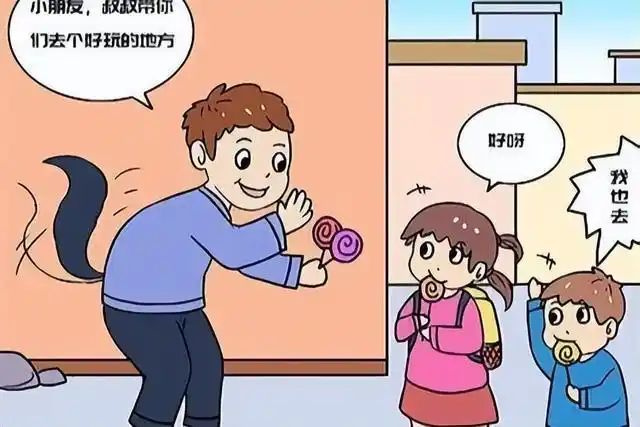
1. Not to visit others in order to prevent them from being deceived away。
Parents travel with their children and keep them in their sight。
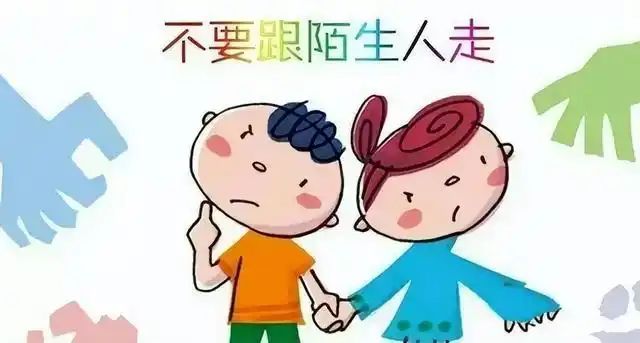
Don't pay attention to strangers. Don't take anything from strangers。
4. When there is a greater flow of people, young children must hold their parents ' hands, do not accept strangers, do not wander around, and do not remain isolated。
5. In the event of a departure, recourse may be sought from the police, security or other staff of the premises。
General knowledge of fire safety
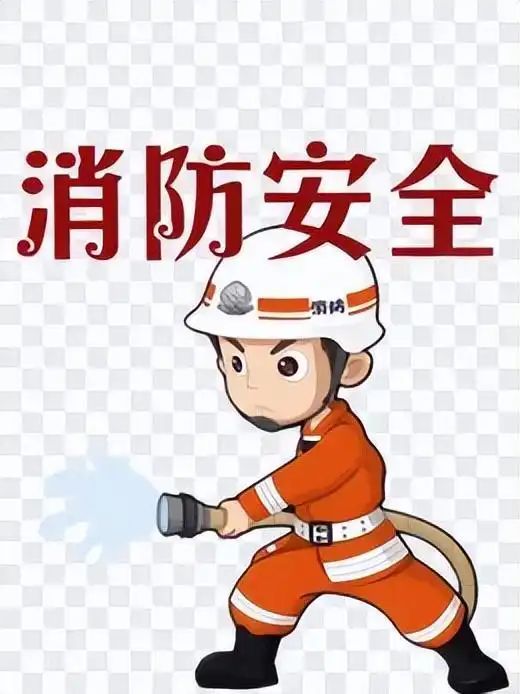
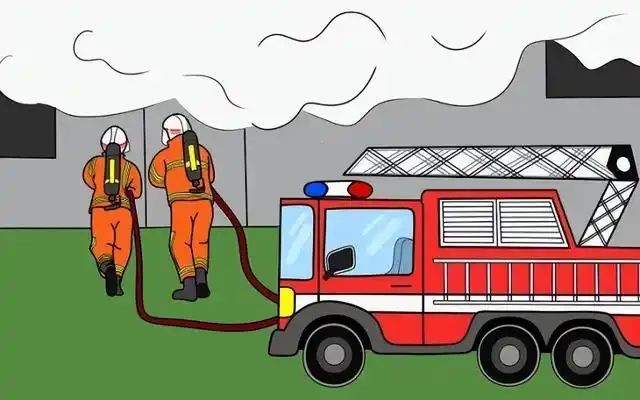
1. To educate and raise awareness of safety and to educate young children about the dangers of fire, electricity and water in order to prevent accidents。
2. To understand the use of fire bolts, fire extinguishers, safe passage for kindergartens; to educate children to observe fire signs and evacuation directions in public places; to know all kinds of alarm calls and how to call them。
3. Understand fire safety signs to recognize fire signs, what is a safe exit, what is the direction of evacuation, what cannot play and what is dangerous。
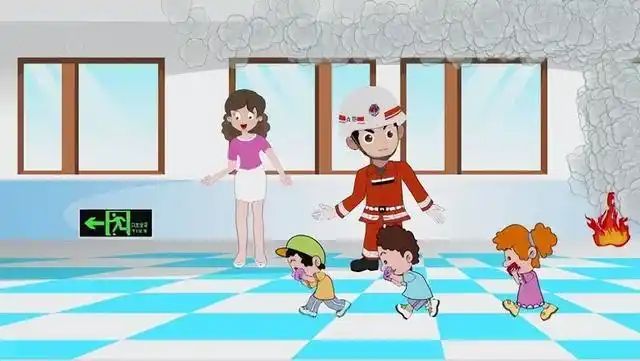
4. Teach children the right way to escape: when a fire occurs, they are protected from harm by covering their noses with wet towels. It is common sense to know that fire risks can save themselves, to remain calm and calm in the event of a fire, not to panic, and to escape or wait for help as quickly as possible, in accordance with the correct method of escape。
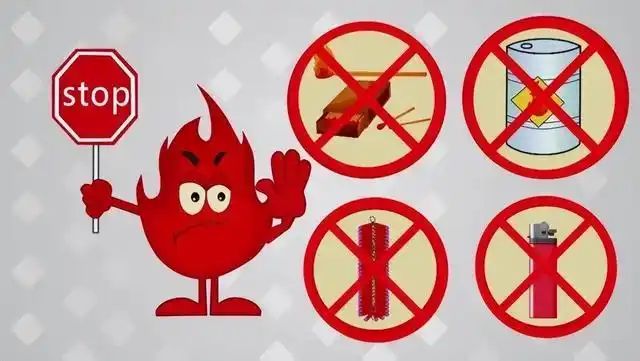
Self-conscious compliance with fire laws and regulations, increased fire awareness and emphasis on fire work. Tell the kids not to play with fire, not with electrical equipment, or they'll get hurt。
05. Drowning safety education
1. Swimming in the water should preferably take place one hour after the meal to avoid cramps。
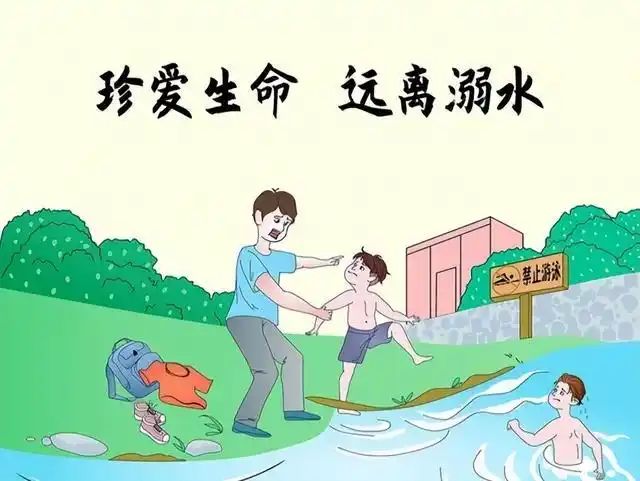
2. Swim or play where there are no supervised or prohibited swimming signs。
3. No swimming or play in unfamiliar waters。
4. Not to play or swim by river, pond, pool, etc. Without adult escort。
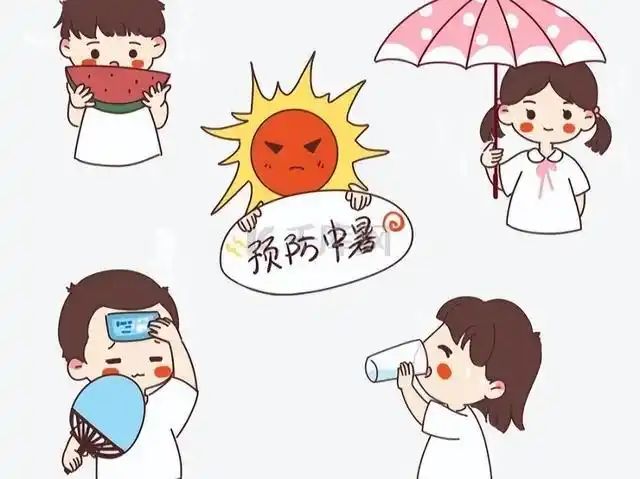
06. Summer safety education
Drink more water, sweat more salt water。
2. Outdoor activities shall be carried out at high temperatures from 11 to 15 hours。
3. To wear loose, comfy cotton。
4. Do not blow air conditioning for long periods of time and do not have a temperature difference of less than 10 degrees。
5. Drink some of the warmth of the summer, such as green bean soup, watermelon, etc。
Go home, get out, don't blow air conditioning, blow fan, take a cold bath。
7. Do not be exposed to the sun for long periods of time or to intense motion in high temperatures。
Young children's physical health and safety are linked to thousands of homes and kindergartens. For our common purpose and for the physical and mental well-being of your children, it is hoped that we will do our part. One thing, a reminder, is that it is essential for the healthy development of children. Let's get on with it. Let's do it ourselves. Let's do it now