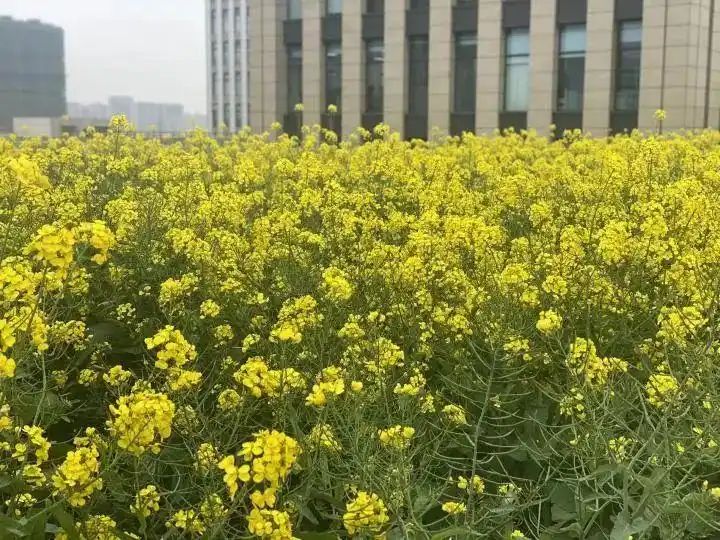
According to the chanjiang evening newspaper, the tarp on the roof is bright. And the cherries that were planted in the winter, and the green little fruit were full of branches. It is hard to imagine that, in the urban forest of steel and cement, hundreds of people working on the roof of the writing building have built over 3,000 square metres of farms。
The designer of the roof farm is an old friend of the tide reporter, an old expert at the agricultural college in zhejiang province, and a senior agroeconist in li bokjun。
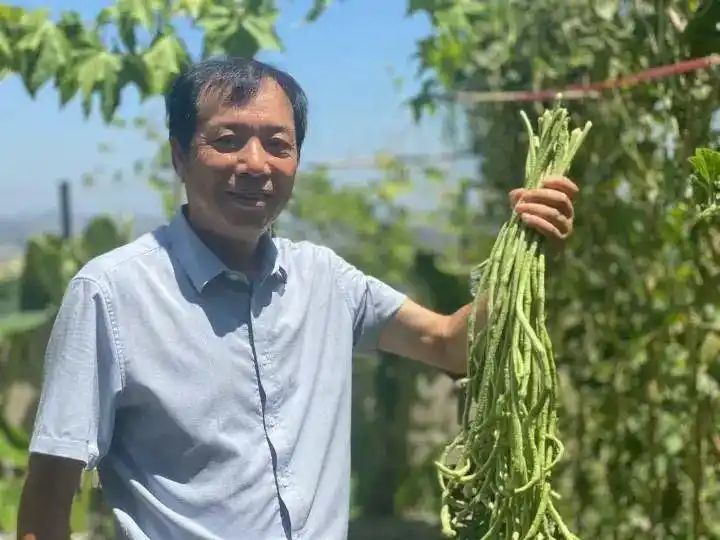
Last summer, journalists visited mr. Lee's private roof farm and harvested fresh fruit and vegetables such as beans and figs. At that time, mr. Lee said that he was building a roof farm for a new office building in a hangzhou enterprise, and that he would welcome a visit from journalists in the spring。
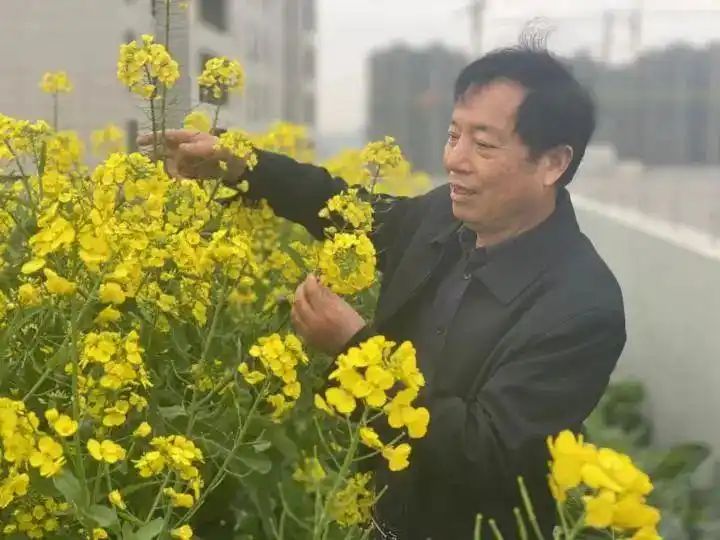
Spring is coming, mr. Lee's invitation is on schedule. On 29 march, when the sky was dazzling with rain, journalists and mr. Lee took the elevator and arrived in his busy “airland”。
Over 3000 square metres of roof
It's four seasons of guacamole and vegetables
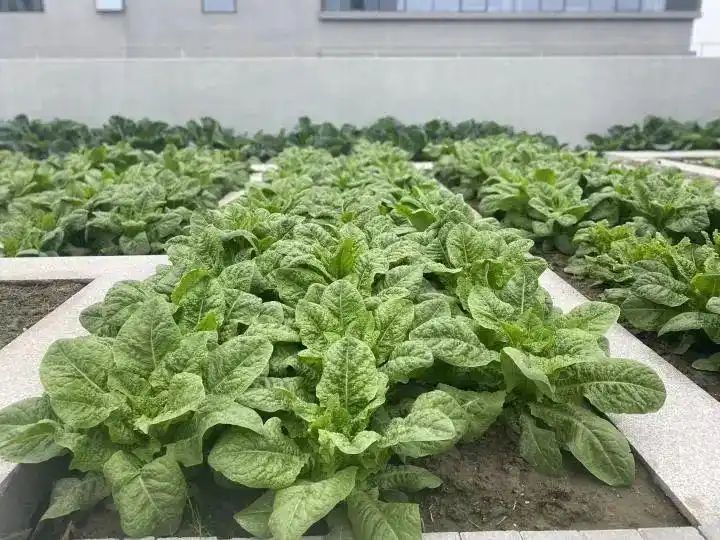
The company has two buildings, the main vegetable growing on the roof farm in the main building, and a small building, the roof farm, which grows fruit trees, and is able to store almost four seasons of fruit and vegetables。
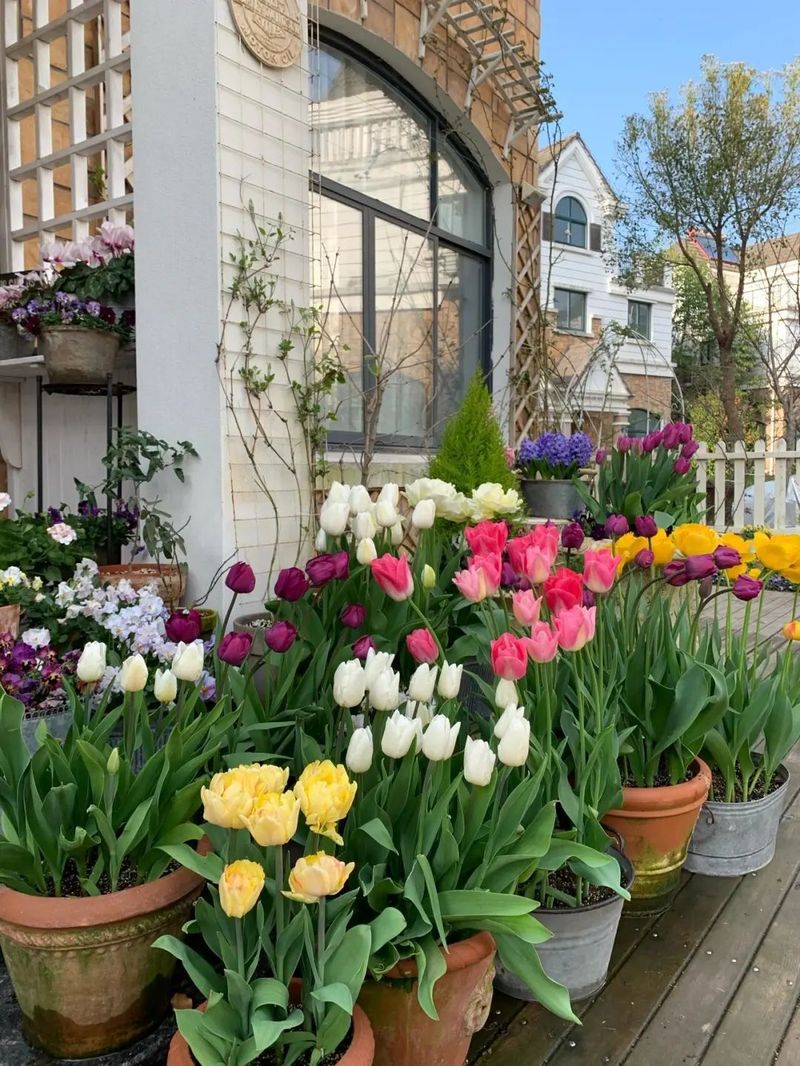
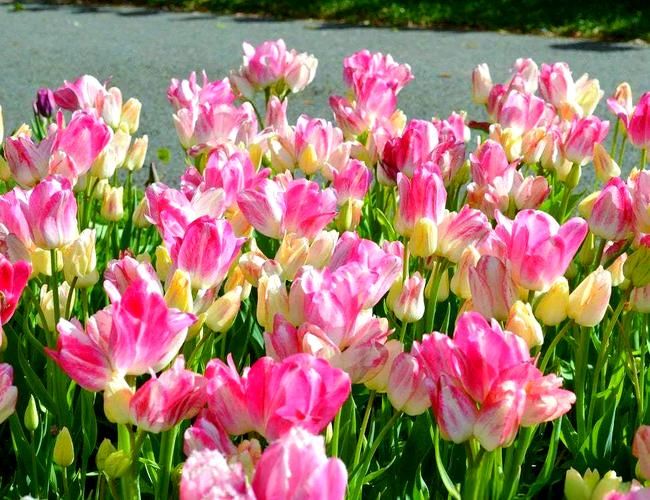
Quil went up to the roof of the main building, and the whole of the oily bouquet, which was broadcast in the autumn, was on schedule. The fragrance of the bouquets, walking along the walkways of the flower fields, the feeling of being in the sea, the feeling of peace, and the wildness of the twilight journalists rubbing on their clothes. In the fields next door, the sweet-sniffed croissant is almost ripe, except for the small part of the heart, which can be harvested in half a month。
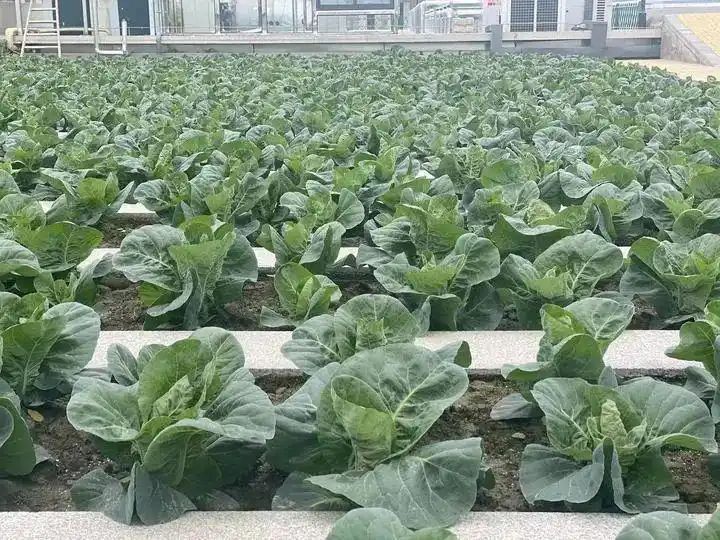
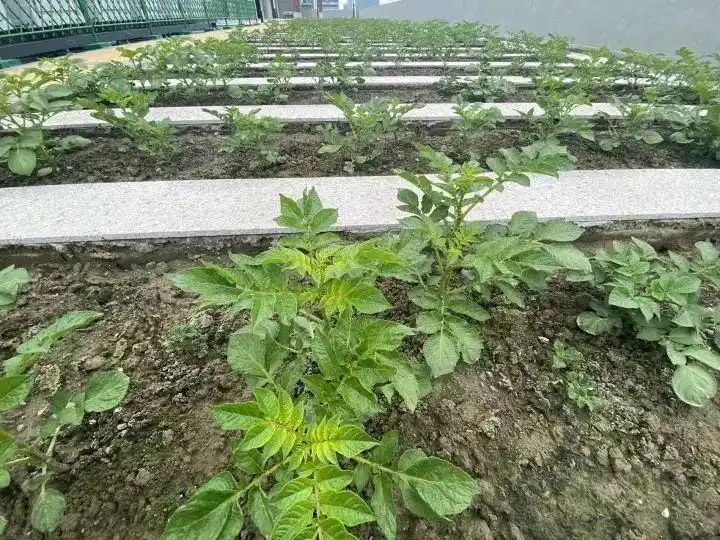
What's this for? It turns out that the poles were placed in eggplants, tomatoes and peppers that had recently been planted the previous two days, with tomatoes and purples and peppers made of peppers。
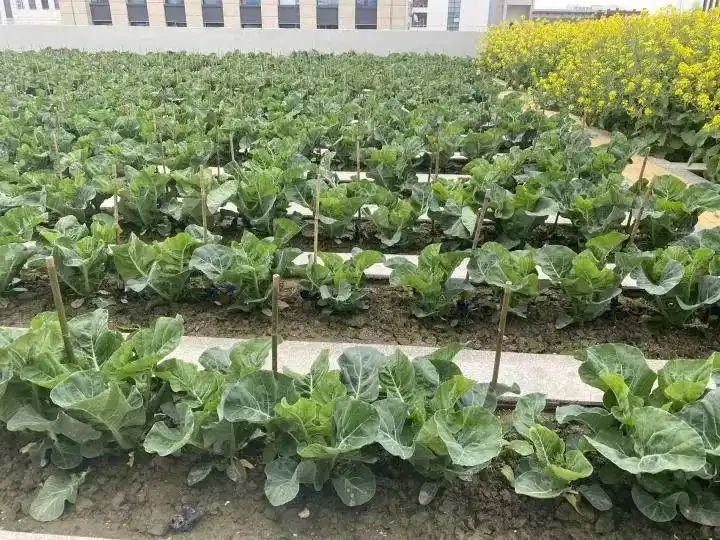
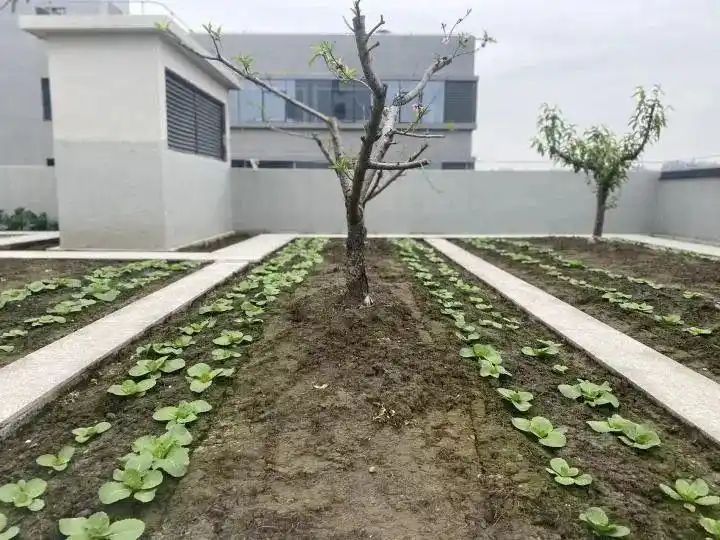
Vegetables and eggplants were planted on this roof, and in the winter several pear, pear and peach trees were planted. Now pear trees and peach trees are blooming. Pear trees are the home-grown beetle varieties of the provincial agropastoral complex, which enter the pick-up period in july after the triads of crowns, jade and jade。
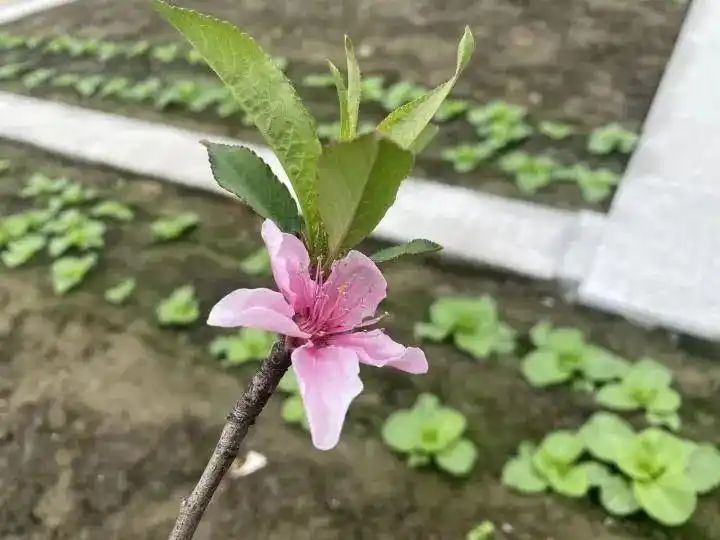
Peach trees and peaches are also very diverse, with peaches, peaches, peaches, and so on。
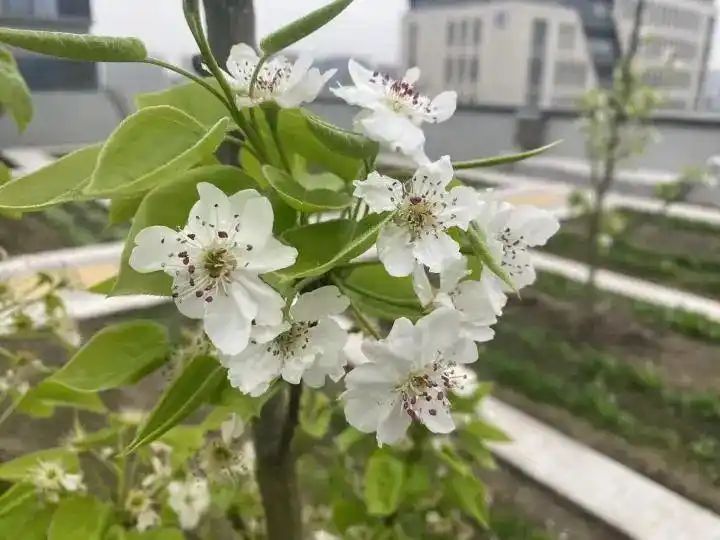
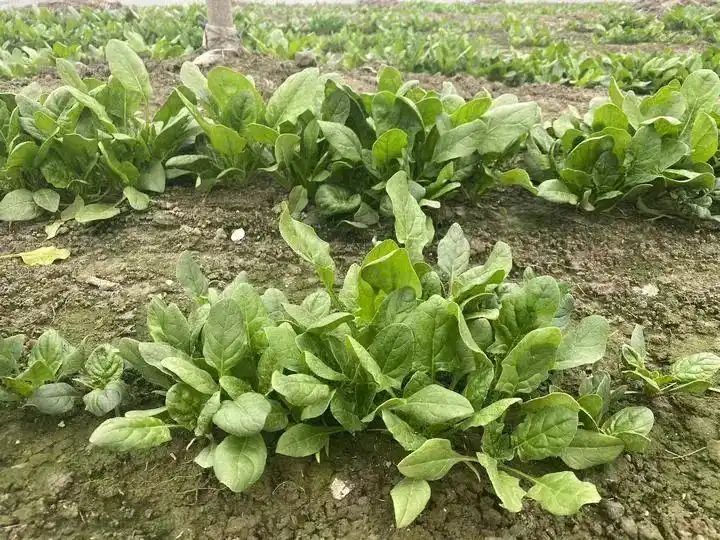
Under the pear tree, spinach is grown; under the peach tree and pelican tree is planted in the pre-cooked cabbage series at the provincial agricultural school; and in the adjoining field, there is a bit of pickle. On the side of the roof farm, the fruit tree is much richer。
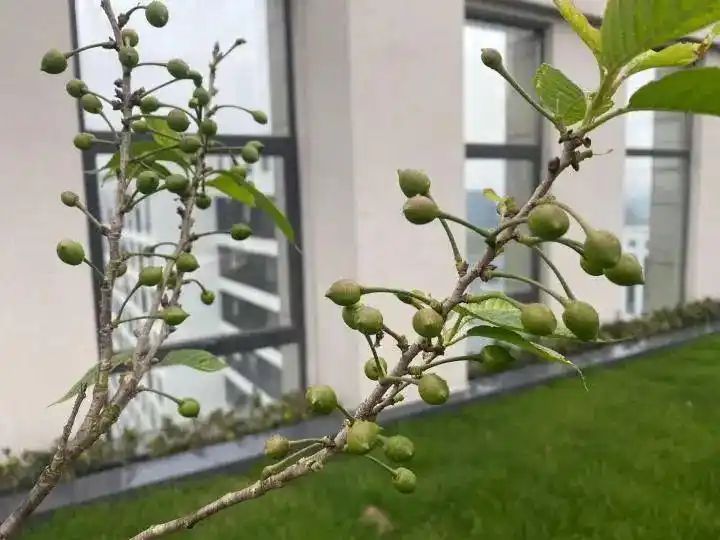
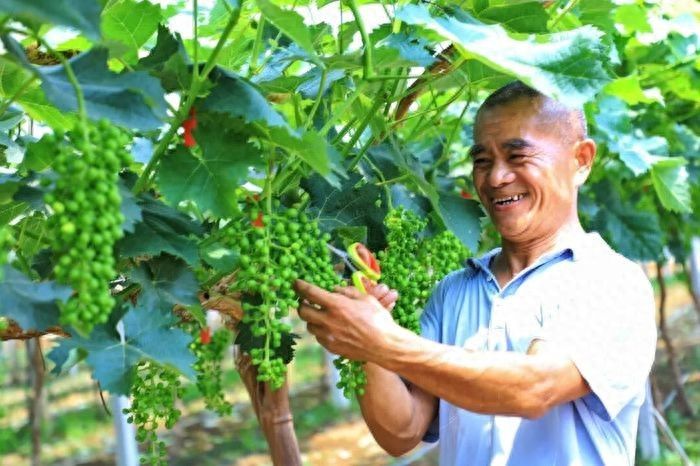
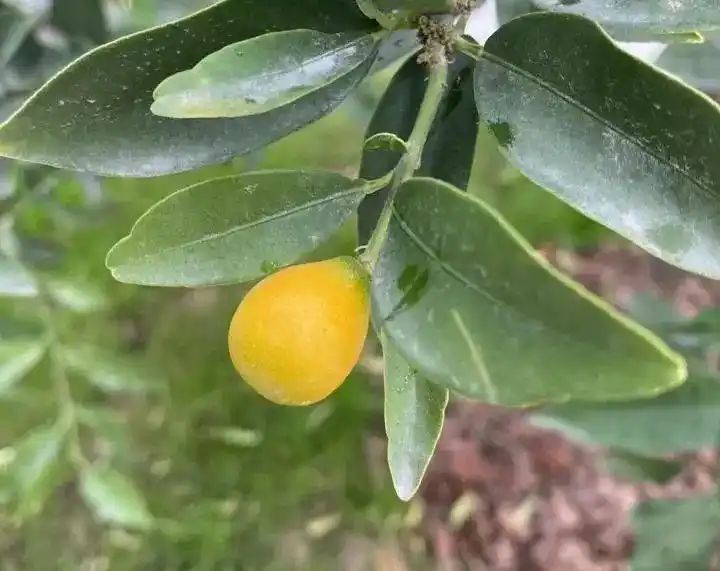
The cherry tree blooms nicely in the run-up to the cherries, and now the cherries are not too low in their first year of production, and the tumbles are full of twigs。
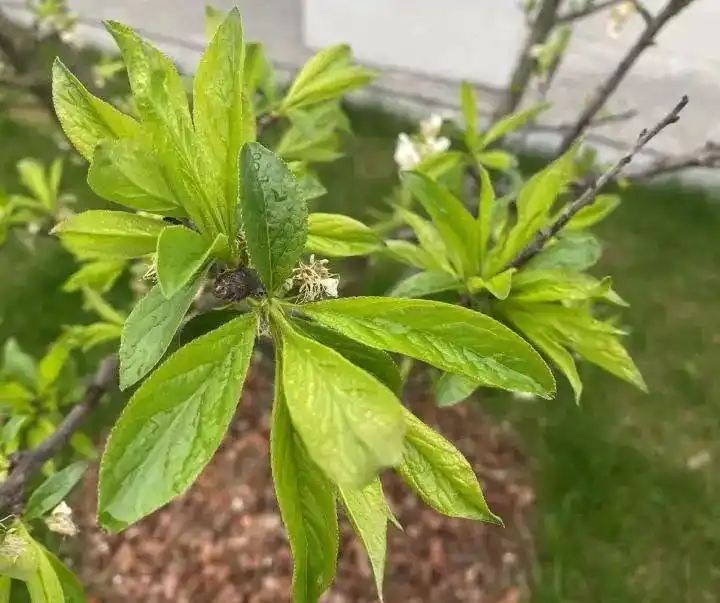
The most valuable of the economics is the "nobility" of li qin, the best of the country. Autumn is ripe for citrus trees, a variety of mesh marmalades, crumbs, etc。
20 centimetres of earthly vegetables, 30 centimetres of earth. Tree
How did you do that
In zhejiang, a roof farm can produce agricultural products four seasons and 12 months a year. The company also opened its employees ' gardens on the roof to raise the land and grow its own vegetables and fruits。
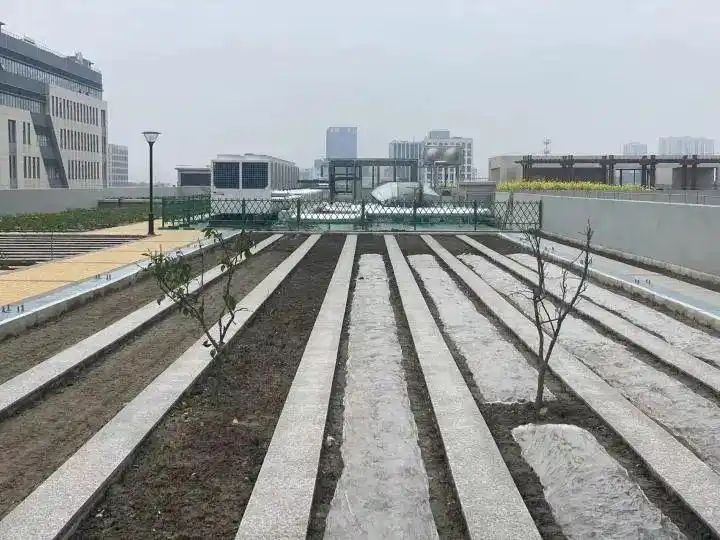
What about the vegetable fields where the employees are waiting to be raised, and the two buildings in the city of malloon, with more than 3,300 square metres of roof farms, should be watered and fertilized? Mr. Lee said there's no water here and no fat. Without water and fat? How is that possible? At the beginning of the design, mr. Li took full account of the problem and used the sewage generated from all the toilets in the two office buildings。
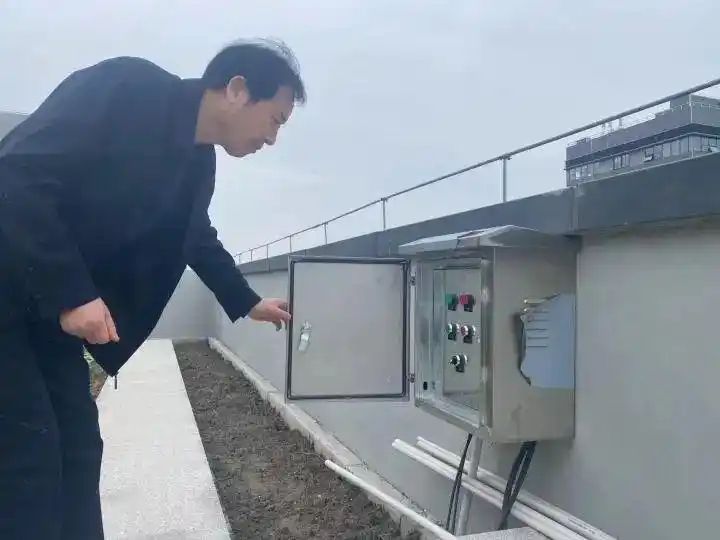
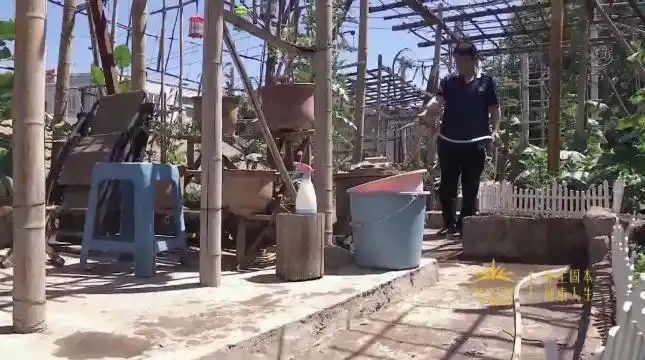
The green belt of the office building where water is pumped from the sewage tank downstairs contains a number of well covers, followed by the septic tank of the building. The water from the septic tank can be pumped to the roof through a pump, and if the switch is turned on, it can automatically fill the insulation of the roof farm with up to 15,000 cubic metres of fatty at a time. Isn't there a smell in the toilet? In fact, tide journalists have been on the roof for two hours without smelling。
The sewage in the crumbs is just fat for plants. When mr. Lee pulls the water up, instead of pouring it down from the soil, he pours it directly into the aquifers below the earth, but instead of smelling it, the plant roots are absorbed more efficiently. There is also a question: does the roof grow vegetables or even trees, or does it affect the building itself? Mr. Lee said that the earth floors of vegetables were 20 centimetres thick and 30 centimetres thick, which were designed on the basis of the roof's weight of science。
The spinach, "is it only 30 centimetres thick?" in fact, it's hidden in a reservoir beneath the earth, where the roots of the plants are found, they bend around, so even the trees don't have to pile up thick earth。
Roof gardening, buildings warm and cool in the winter and cool in the summer
What kind of building is suitable for design
Mr. Li has devoted much of his life to the development and design of roof farms, and there have been many success stories in the province and beyond. Rooftop farming has many advantages. It is calculated that it cools buildings during high summer temperatures and lowers indoor top temperatures by 5 - 10 degrees celsius so that air conditioning can be reduced in the summer. In winter, when cold, it can help keep buildings warm, with indoor temperatures in the top layer increasing by 5 to 8 degrees celsius, without heating, and reducing the cost of buildings with low carbon and energy efficiency。
In addition, the roof farm serves to protect the outer surface of the building's roof, which, with the protection of aquifers and overtures, is less susceptible to cracking and leakage. Land resources in cities are very expensive. Originally, once a piece of land had been used to build a house, its farming function could not be achieved. Through the construction of a roof farm, the ecology of this plot can be restored and our valuable agricultural resources protected。
Last summer, after the tide journalists reported on roof farming, a lot of readers and netizens came to consult and asked if they could make a roof farm upstairs in their own city's commodity house
At present, there are future community rehabilitation projects in hangzhou that integrate elements of roof farms. However, in consultation with government departments such as housekeeping, planning, urban management, etc., it should be recalled that the roofs are communal spaces and property rights are owned jointly by the owners, and no individual is recommended for personal rehabilitation, as this is done with the consent of all owners. As a result, roof farming is more suitable for the design and construction of single-owner buildings, such as office buildings, factories, schools, hospitals, etc。