When it comes to shandong, the first reaction of many people is to make pancakes and onions, which are considered to be a very regional red snack. Few know that hundreds of years ago, in shandong, the people ate their mouths, never seeking food, let alone food, but surviving in a life of great effort. It is no exaggeration to say that, in the age of the disaster, it is probably impossible to survive the cold winter without eating onions。
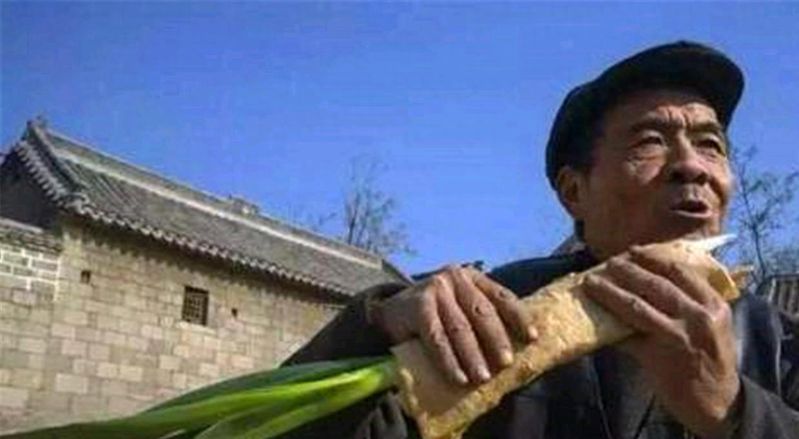
Why do the shandong people have so much love for the onions that they don't eat? The central reason is only one word: hungry。
The history of the qing dynasty is full of suffering caused by natural disasters. Over a period of more than 260 years, the land has been devastated: 65 droughts, 58 floods and 27 locusts, with one major disaster occurring on average every two years. A year of hard work and plowing, a locust disaster passed through, and wheat, sorghum and groceries were quickly gnawed, and the lack of grains was common。
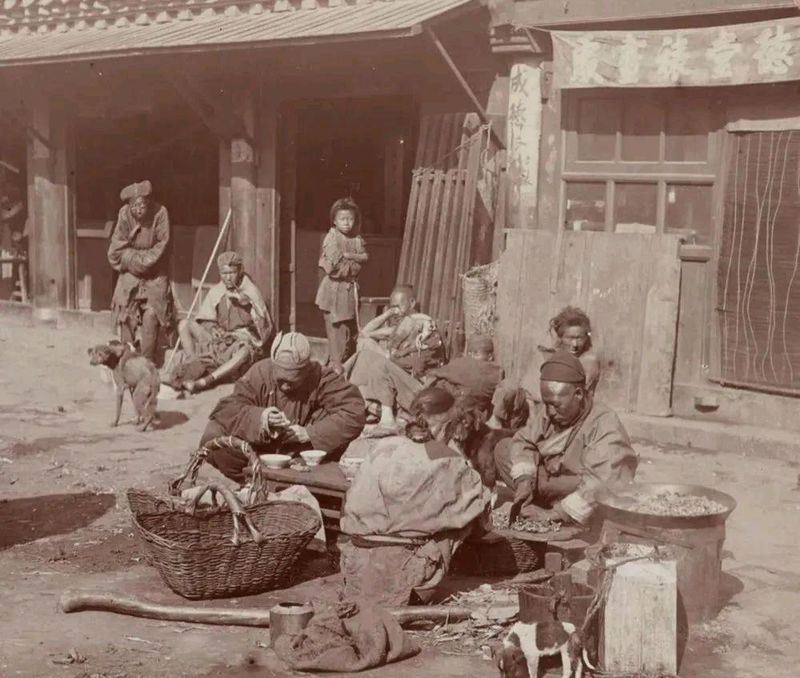
With the only remaining food rations, it is clear to the people that they will not last much longer, with a winter of 20 degrees below and three or four months to sustain. In a desperate situation where there is a shortage of clothes and food, onions are the only hope。
At the same time, the days of the people of shandong were so bitter that the cold winters were covered in worn sackcloths, many without warm socks and their feet were fracking and bleeding. The only comfort is a big onion. Scratch the onions into the onions and make them into cakes, and even if it is dry and indigestion, it must be strong enough to eat, because it is the only way to survive, without strength, to survive tomorrow。
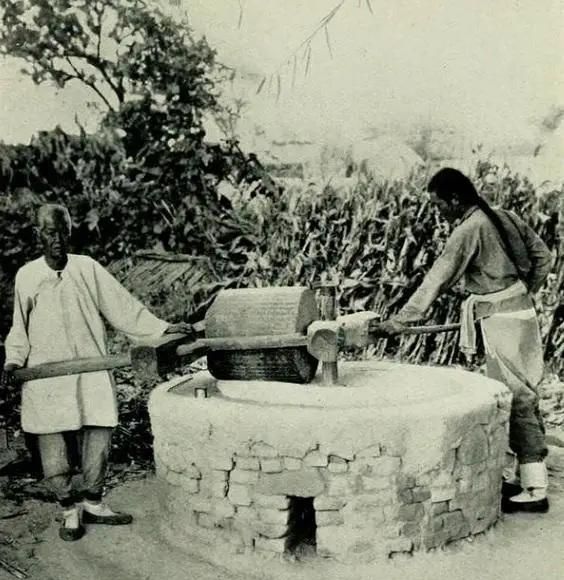
This insinuated onion is a life-saving treasure of the shandong people, with three miracles of survival。
The first is super-viable life and super-high yields. It's famous for being so big and so big as a child's arm that one can weigh a pound. And the onions are not stingy, nor do they pick the earth, nor do they touch the hills, nor the sand, nor even the sutures of stones, but they grow strong. In 44 years, kanxi-dong experienced a severe drought, with spring, summer and autumn rains and the death of all food crops, with only onions standing up in the fields. The people of the area found the cruel truth after having visited the county on the basis of a combination of guacamole: most of the families hoarded large numbers of onions, most of them alive; half of the people who did not store onions died of starvation and one onions directly determined their lives。
The second is to bring a life-saving buff to protect health. The ancients do not understand the terms vitamin c and sepsis, but know the way to survive. In the winter, people eat only coarse grains and tweezers, and they can easily bleed out of their teeth, decompress their skins, and they are weak, and onions make up for their physical needs. Onions are the cheapest “special effect medicine” in times of lack of medical attention。
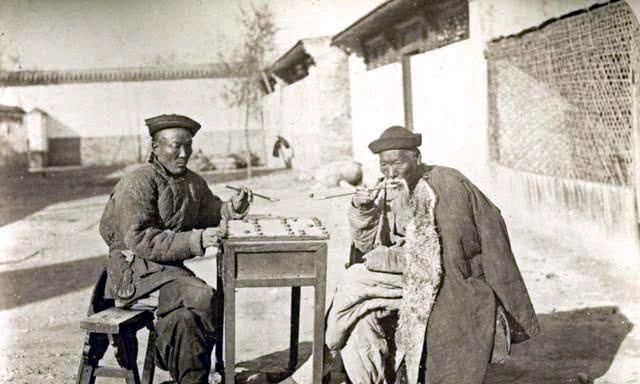
Finally, it can starve and stretch the ration lifeline. Qing dynasty, full of fat and fat, rich in water and starch, and eating one of them, will feed you for a long time. When food is scarce, a small bowl of porridge is accompanied by two large onions, which is a good meal, and a pip of rice is not available, and onions are full of food. As the words of the poem say, “pippies survive the winter, and the good harvest is expected next year”, the people chew hard foods and survive the winter with big onions, waiting only for the harvest next year。
And even more interesting is the fact that the onions in times of disaster have become hard currency. During the holiday year, there was a famine in yindu county, and the price of rice was so high that a pound of rice could be replaced by ten bundles of onions. With onions, people can exchange salt, cloth and other essentials for survival. Silver may not be able to buy food, but onions compete, simply because it is full of stomach and disease-proof and a living thing that can be felt。
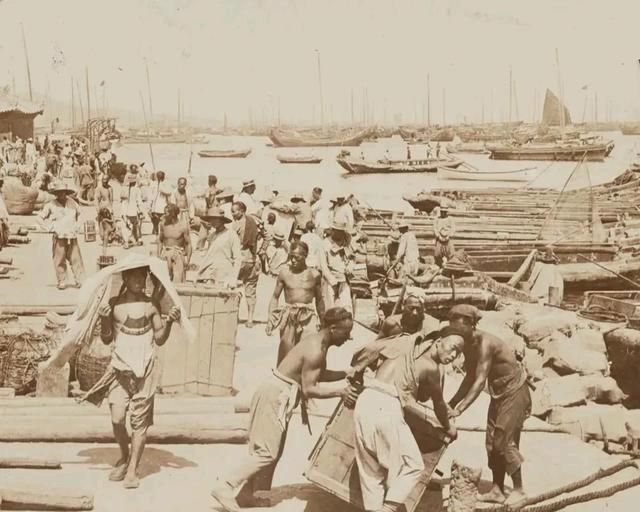
In the ancient era, where there are no large sheds of vegetables, no precision weather warning, poor water facilities, the yellow river is often broken, the canals are frequently broken, and the relief layers of the court are cut off, leaving little left in the hands of the population. The people of shandong had no better choice but to place their hopes on on onions. The fertile fields grow food, the barren slopes grow onions, hide the onions in the autumn, and in the cold winter eat one at a time, and the hard-born form a way out of the famine。
Now that the fine, clean and fresh hives are everywhere in the supermarket, we should not forget that hundreds of years ago the onions were covered with dirt and carried the fears and expectations of the people of shandong. It is never a simple specialty, but rather a life-shield in bitter years. It is the pedal of a cold winter when it chews spicy, confirming that it is alive。
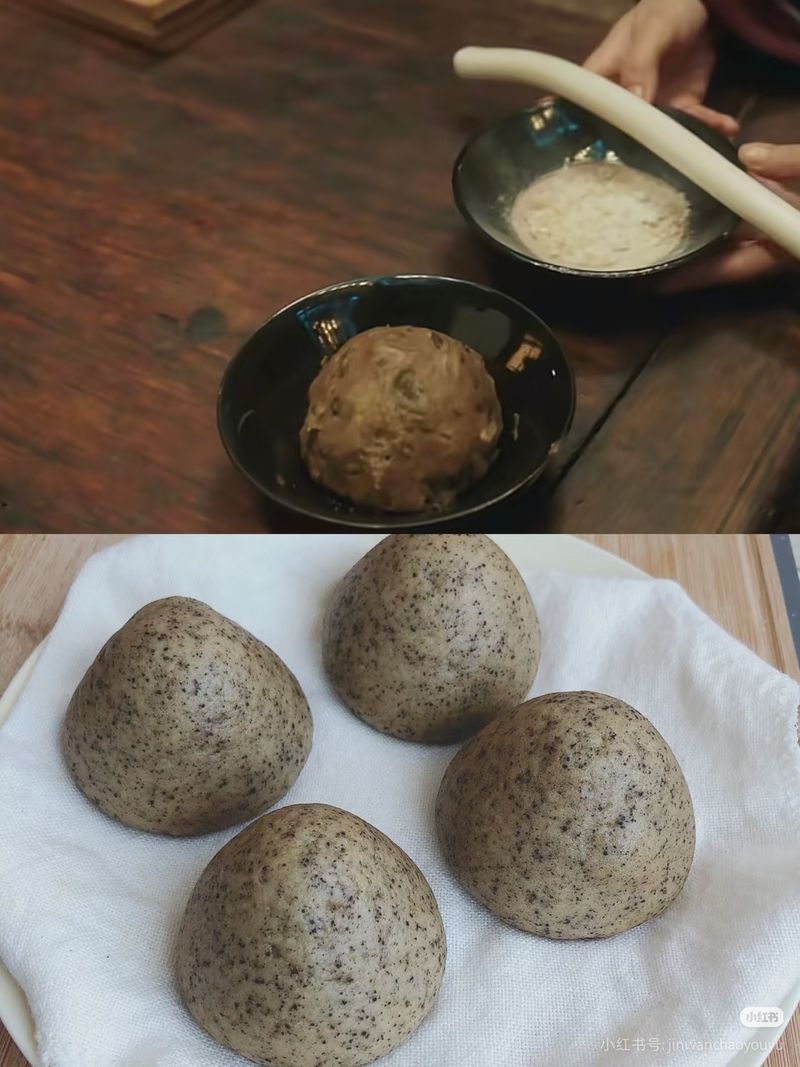
A big onion can't save an era, but a million shandongs
Life is its most heavy and precious meaning in ancient mountains。