Name
Chinese
The name tulip was not originally used to refer to modern flowers, but to curcuma aromatica. The root of the plant is given the name, as it extracts yellow dye and smells. The chinese poet lee baek wrote, “lan mau tulips, jade bowls of amber light”, in which “true tulips” refer to tulips in wine, not plants themselves. It was not until 1917 that chinese scholars formally named modern libertarian tulips under the name “tulips”, a name that has been used to date。
Analysis
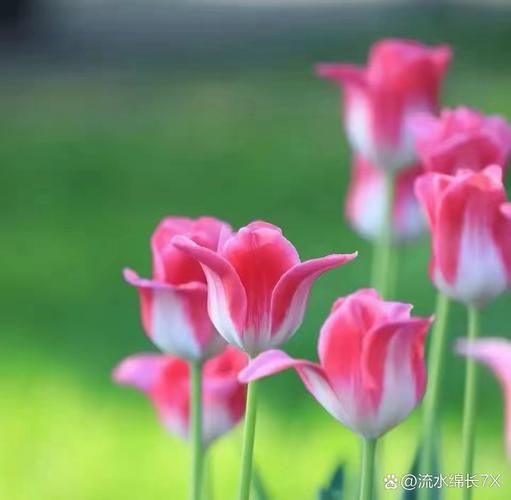
Tulipa gesneriana l. The name tulipa comes from the turkish language “tulbend” or “turban”, meaning “muslim headscarf” or “turban”. This may be due to the shape of the tulips, which resembled the conical headscarf that ottoman turkish men wore at the time, or to the fact that the ottoman nobles prefer to stick the tulips to their headscarfs. Gesneriana was added to honour the austrian botanist conrad guthnerNrad gessner, also translated from gisna, gave the first scientific description of the tulip in 1559。
Origin of species
Evolution of history
Tulipa plants originate in central asia, with the main diversity centres located along the himalayas to the pamir plateau and the tianshan mountains. The xinjiang region of china is one of the main sources of wild tulips, with more than 10 species of wild tulips, accounting for nearly 10 per cent of the global wild tulips. These wild tulips are found in deserts, grasslands or sub-highlands of about 1,000 metres above sea level, short-lived plants of early spring and extremely cold-resistant and adaptive 589。
Domesticate history
The history of tulip cultivation dates back to persians around the 10th century a. D. (now iran), where the selgins first planted wild tulips. In the middle of the sixteenth century, during the ottoman empire, the tulips were widely cultivated and ploughed in places such as istanbul, becoming the exclusive flower of the royal family and nobles, symbolizing power and wealth。
In 1554, the austrian diplomat busbecq brought the tulips back to vienna as a gift and then into germany and france. In 1593, the dutch botanist carolus clusius successfully cultivated tulips at the university of leiden botanical garden, marking their spread and development in the netherlands. In the seventeenth century, the netherlands, thanks to the right climatic and soil conditions and the tireless efforts of horticulturalists, produced a large number of new varieties, making it the world's tulips。
Form characteristics
The tulips have a flat cone, with a diameter of about 2-3 cm. Skin paper with light yellow to tan, with a small number of fuzzy on the inside top and base. It consists of two to five pieces of meat tablets, which store large amounts of nutrients to support the planting of the year after year 213 life cycle。
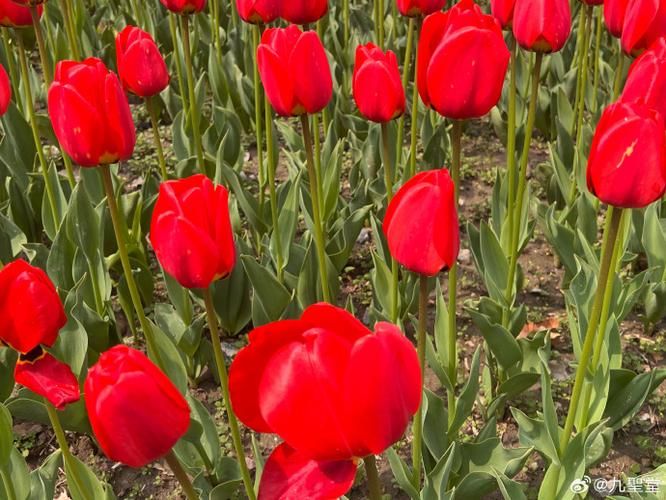
The tulips are smooth and covered in powder. The leaves, usually 3-5, are in the form of a laced pin to the form of an ovary pin, with a full margin and a constant wavelength. The leaves are wider and the leaves are narrower. Leaf is thick and juicy, dark and green, and has a bright 213。
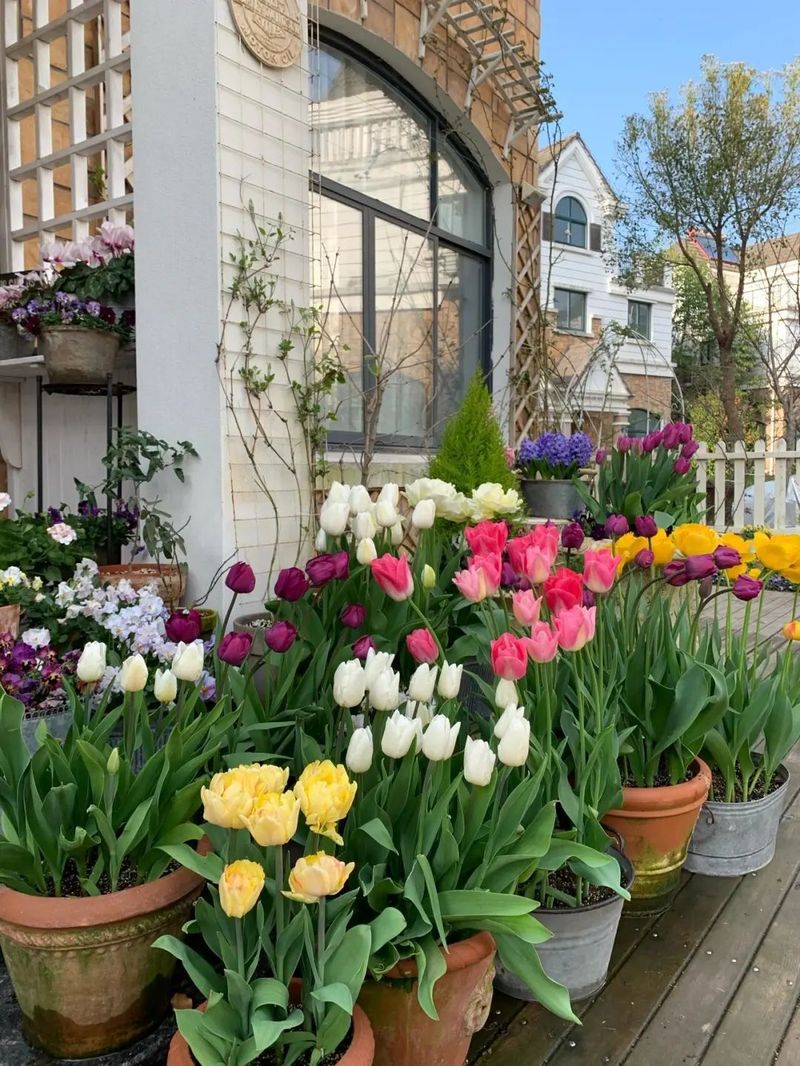
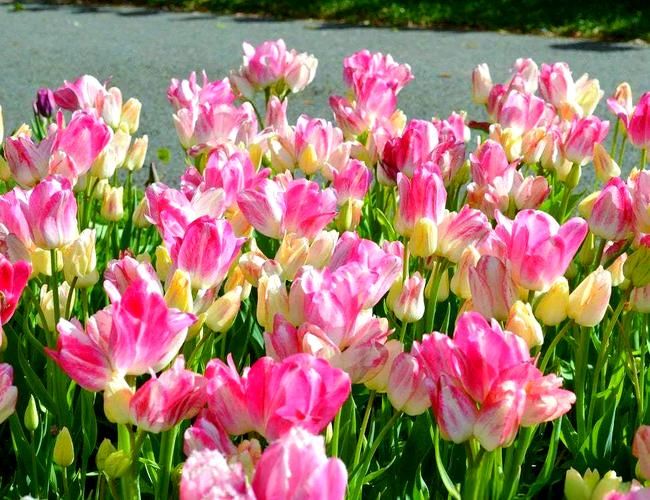
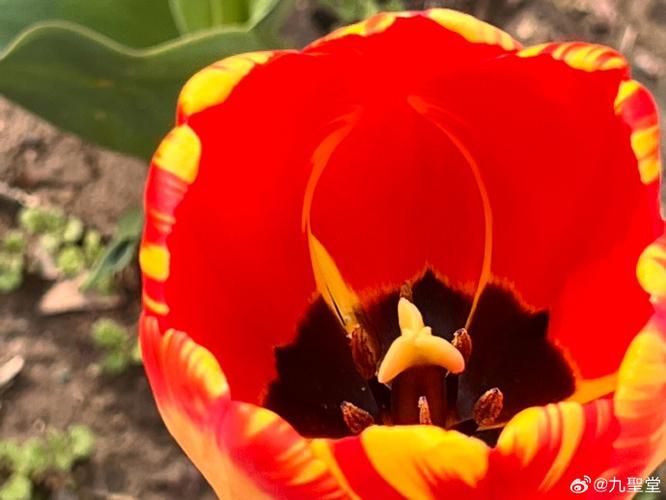
♪ flowers with their soles, big and beautiful ♪ the flowers are 6 pieces, live, 5-7 centimetres long, 2-4 centimetres wide, rich in colours, with single colours of red, yellow, orange, purple, white, black or double colours. There are six of them, long and hairless. The female luminaries are not visible, and the height of the poles is crowned with chicken, which is one of the typical features of the tulip 213。
Fruit and seeds