Electric bicycles have become the most common alternative for families travelling short distances, delivering children and buying food on a daily basis. Many of the drivers have a problem riding: the flat road is normal, and it can get off the sub-district, get off the road, get off the road, get off the road up the road, and even if the wheel is screwed to the end, the car continues to slow down, and the climbing drive is clearly not keeping up。
The first reaction of many people is the ageing of the power plant, the direct cost of replacing the power plant with hundreds or even thousands of dollars, and the fact that the power deficit remains unresolved, resulting in unnecessary expenditure. In fact, electricity problems are only a few cases, and the vast majority of climbers are weak, rooted in batteries, controllers, brakes and tires, which are easily ignored. This paper combines the new national standards for electric bicycles with common knowledge of general vehicle maintenance, so as to clarify the real incentives and the self-censorship methods that ordinary people can use to avoid disruptions and rationally conserve cars。
I. Battery decay, the main reason for the lack of power to climb the slope
A number of drivers have a cognitive error zone and feel that the dashboard is full and the battery is in perfect condition. An electric vehicle climbs a slope that is highly loaded and requires batteries to release large current-driven electric power in an instant. The battery discharges at an instant, and it directly determines how power is weak when climbing。
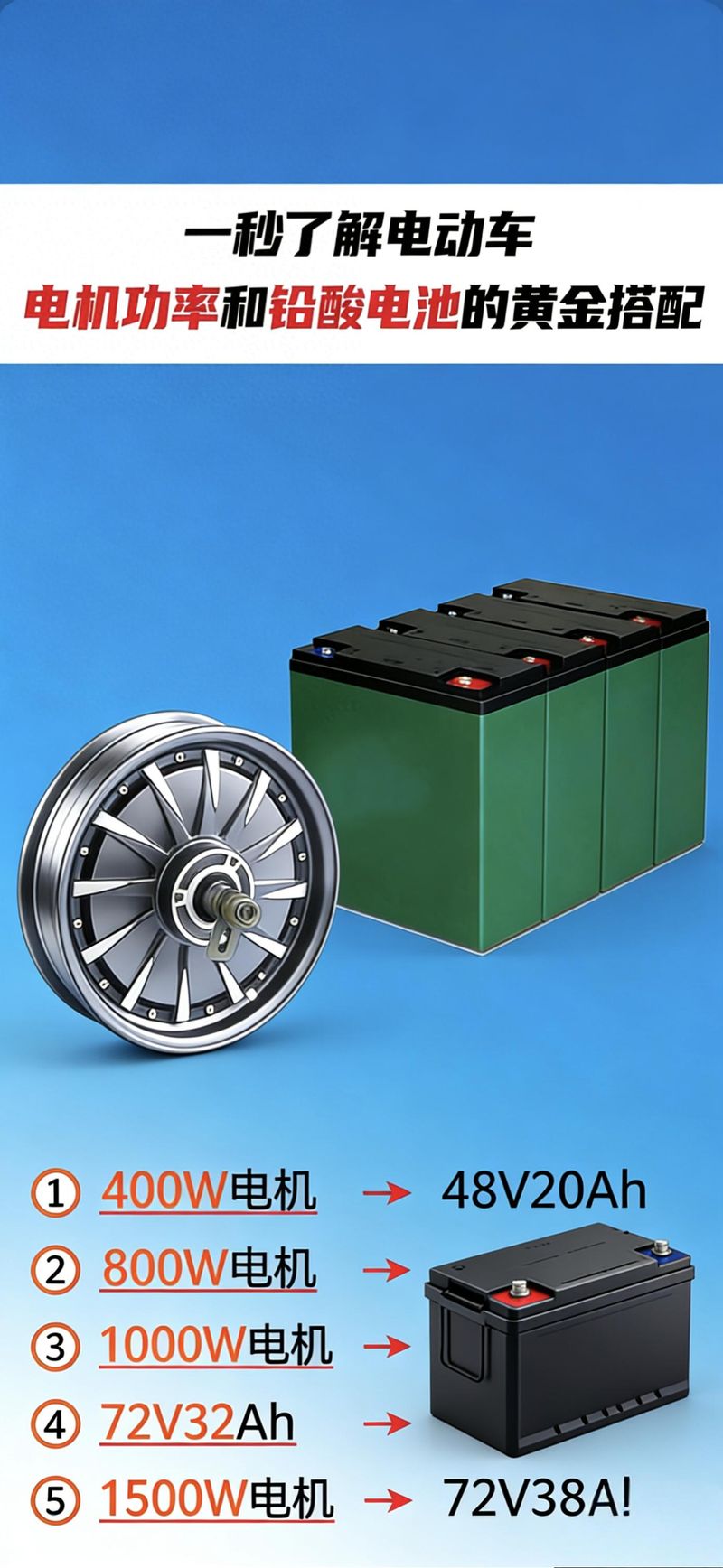
Domestic electric bicycles are currently divided into lead-acid batteries and lithium batteries, with lead-acid batteries having a useful life of approximately three years and lithium batteries having a useful life of approximately five years, according to normal use standards. As the number of discharges continues to increase, the activity of the chemical substance within the cell slowly decreases and internal resistance continues to rise. Even if the electric voltage is normal at static times, the voltage drops rapidly at the moment of the large currents of the climbing slope, and there is a visible jump in the gauge grid and the voltage rises slowly after the switch is released. In order to protect batteries, vehicle controllers automatically limit output power and the ramping power becomes significantly weaker。
Battery activity is further reduced in low-temperature environments, and the low winter temperatures are more pronounced than summer when the slopes are weak. There is also a pattern of irregular daily charging by some owners, the ageing of chargers, which makes batteries unfilled, or the chronic parking of vehicles, which results in battery failure, which accelerates battery failure. Without careful monitoring of the battery state, some maintenance staff recommended that the owner of the vehicle replace the power plant, not only to solve the underlying problem, but also to increase the maintenance costs of the owner。
The daily self-checking method is simple, with vehicles cycling the slopes after they are charged with electricity, and if there is a large jump in the dashboard power, which is released and quick to bounce back, it is basically certain that the battery performance is declining. This situation gives priority to the detection of battery health and does not require the urgent replacement of electric generators。
The controller is abnormal and directly limits the entire power output
The controller corresponds to the power command hub of the electric vehicle, which is responsible for receiving the transmission signal, regulating the current size of the battery to the electric power, power output, speed control, overload protection of the vehicle as a whole, all under unified control of the controller. Many carowners ride on a regular basis, with little knowledge of the role of the controller and little attention paid to its working state。
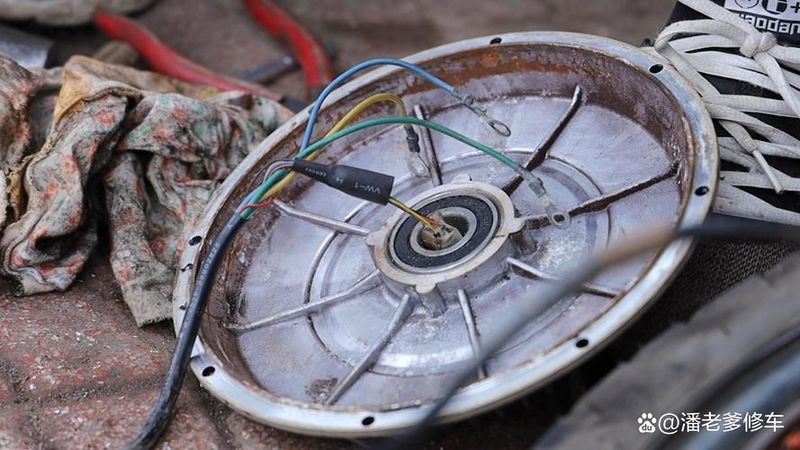
The control is permanently in a high-temperature, damp and bumpy cycling environment, the internal electronic components are prone to aging, parameter deviations, and when a vehicle is involved in water, the controller's route enters short water circuits, resulting in lower vehicle limit flow values. In short, even if the battery is sufficient and the power is in good condition, the controller will automatically press down the output current. The problem of lack of power becomes fully apparent when roadside resistance is low and it is difficult for the owner to detect anomalies and when climbing the slopes requires a big twist。
When the new state marked electric bicycle left the plant, the controller itself set conservative current parameters for meeting national security standards. Some of the owners were frequently manned and loaded with heavy loads, and the power reserves of the original plant controller could not match the demand for use. At the same time, loose and poor oxidation of the line between the controller and the electric power also results in loss of current transmission, as well as a rise in the slope of cardon and a loss of power。
It should be noted that internal circuits within controllers are sophisticated, ordinary car owners do not have a professional maintenance knowledge, and private decomposition tests can easily result in short circuit burning and safety risks. Such problems arise when visits are made to maintenance stores with formal qualifications to detect electrical currents with specialized equipment and to determine whether maintenance or replacement controls are required against the parameters of the original vehicle plant。
Iii. Machine destruction and investigation of vehicles
In addition to the problem of the circuit system, the vehicular resistance of the vehicles themselves is an important incentive to climb the slopes, and such problems can be self-checked at zero cost and are easy to ignore by most owners。
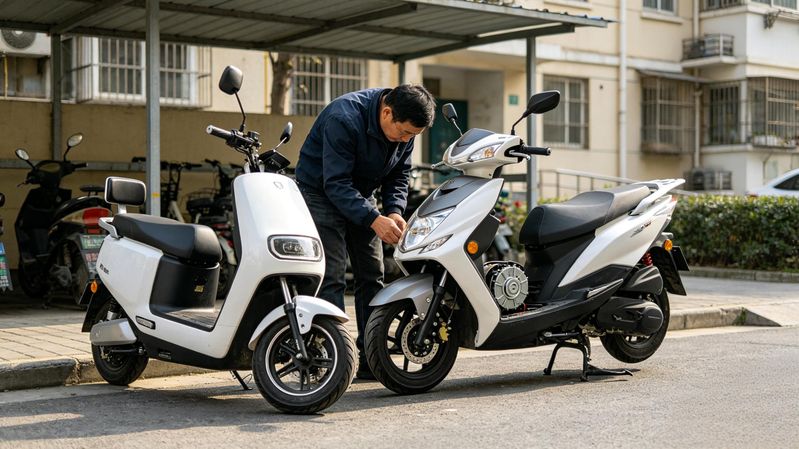
First, the brake system is stuck. After long periods of use of electric vehicles, the brake handles are ageing and the brakes are worn out, and the brakes cannot be fully restored. The brake blades have been attached slightly to the wheel, which is tantamount to riding with the brakes all the way, and the electric motor needs to overcome the brake resistance, double the load as it climbs the slope, and the power is naturally weak. At the same time, if the brakes were blocked, the power would continue to be cut off in part, resulting in slow up and weak uphill。
Self-checking is simple, with a hand-turning back and forth of the wheel after parking, and if the wheel is heavy, a turn-round stops fast and there is a clear friction resistance, it means that the brakes are stuck, and the brake handles are pressed repeatedly and the brakes are tightened。
The second is the lack of tyre pressure. Tyres have low air pressure and larger areas of surface and ground exposure, resulting in a significant increase in rolling resistance. There is little difference in the body perception of flat roads, and when climbing the slopes the electric power will consume more power to counter ground resistance, not only to climb the slopes, but also to increase the consumption of electricity and reduce the length of the voyage. It is recommended that the owner inspect the tire pressure every half month and maintain the standard air pressure indicated in the description of the vehicle, which will increase both the mobility of the horse and the useful life of the tyre。
In addition to this, overloading of vehicles increases the electrical load. New state-coded electric bicycles have clear load standards, carrying people on a daily basis and stacking large quantities of heavy loads beyond vehicle design loads, and even if all components are in normal condition, climbing slopes can be significantly edible. The daily rides do not overload the loads and reduce the needless wear and tear of the electric power。
Iv. Electrical failure is a later aging problem and must not be blindly replaced
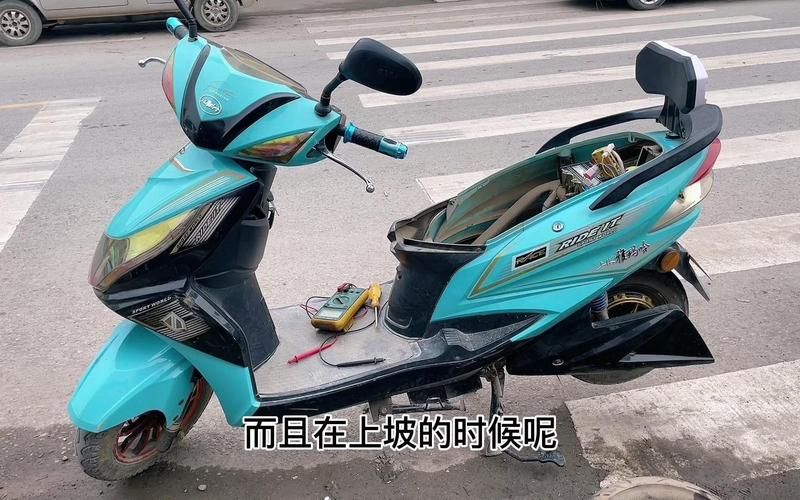
After all of the above factors have been removed, the vehicles are still unable to climb the slope to take into account the failure of the electric power itself. The normal life of domestic electric bicycles is long, with very few serious problems in the course of five or six years, and electrical failure is mostly in two cases。
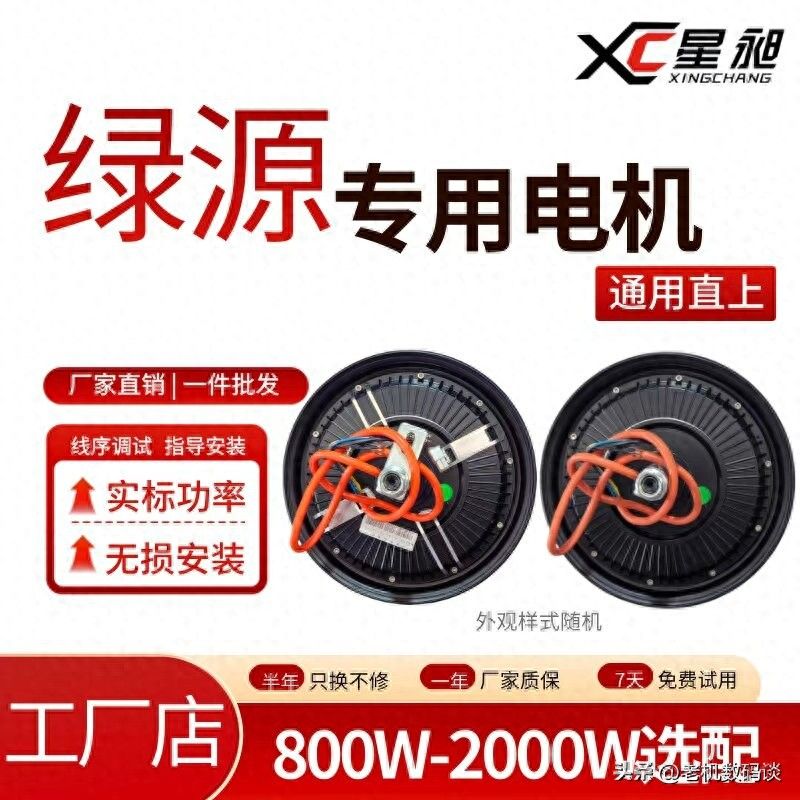
The first is the withdrawal of magnetic steel from the electric machine, the long-term high-temperature work of the magnet inside the permanent magnet, the frequent reloading of the slopes, the slow decline of the magnetic force, a fall in the output of the electric machine, and the barely sufficient flatness of the road and the lack of power in the steep slopes. The second is the ageing of electrical circuits, the dyslexic dyslexia, which operate with heat, noise and power output instability。
Most of the new state-coded bicycles are within 400w, and these machines have limited power reserves and are suitable for smoothing the road. If, on a day-to-day basis, there is frequent passage of larger slopes, where the original power of the plant itself does not match the use of the scene, there is also the risk that the slope will be hard to climb。
In particular, the owners are reminded that, in accordance with the law of the people's republic of china on road traffic safety and the relevant regulations for the management of non-motorized vehicles in various areas, the self-retrofitting of high-power electric machines and controllers will alter the design parameters of the original vehicle plant, which are not in compliance with road traffic safety norms, and that not only are there significant safety hazards in the way in which they are travelling, but also that the transfer authorities are required by law to inspect, fine and detain the vehicles and order the restoration of the original plant。
V. Scientific clustering and rationalized transfer of vehicles
Faced with the lack of capacity to climb the slopes, the owners of the vehicles can screen themselves in a simple to complex order, without having to come up and spend a large amount of money replacing the spare parts, as follows:
The first step was to clear the vehicle's excess load and confirm that the vehicle was not overloaded, while the tire pressure was checked and the standard air pressure was filled
(b) step two, the wheeling of the brakes to check if the brakes are stuck, adjust the brake position and remove mechanical resistance problems
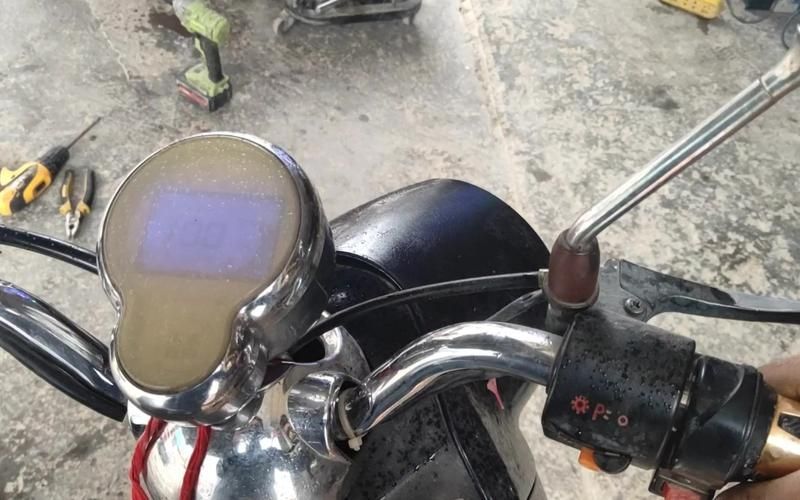
(c) step three, which will fill the vehicle with electricity, test whether there is a significant jump in the amount of electricity at the ramp, make a preliminary determination of the battery's state, and go to the regular maintenance door shop to test the battery's internal resistance and capacity
(b) step four, without any problem with the battery, to detect current output of the controller, connection to the circuit, and check the failure of the controller
In the fifth step, all of the above-mentioned checks were completed, the vehicles remained underpowered, and the electrical power was re-tested and the need for maintenance was determined。
Such failures can also be reduced by proper maintenance of the basics of daily riding. Avoiding long-term vehicle cycling and waterproofing of controllers and circuits; not frequent twisting of violent slopes to reduce the instant load of batteries and electric appliances; regular charge-backing, not excessive loss of battery storage, effectively prolonging cell life。
Vi. Car compliance to secure daily travel
Electric bicycles are a walking tool close to people's lives, and the stable operation of power systems is directly related to travel safety. In case of vehicle failure, the owner must choose a regular maintenance store with qualifications, not choose an unqualified mobile stand cheaply, and avoid replacing poor-quality accessories, resulting in security hazards such as short circuits and fires。
At the same time, strict adherence to the rules governing the management of electric bicycles, the non-self-retrofitting of power systems, the non-extra-speed movement, the introduction of steep slope sections to the maximum extent possible, and the reduction of the long-term high-loading of electric machines, both to extend the useful life of vehicles and to ensure their safety. Many owners are anxious to replace spare parts in case of minor vehicle malfunctions, and most of the problems are caused by the lack of details of daily usage and the identification of the root causes of the problems, both to save maintenance costs and to keep the vehicles in good working condition。
Has your electric bike ever experienced a lack of uphill power? What do you do with it? Welcome to the comment area to share your experience with the car。
# electric car maintenance #