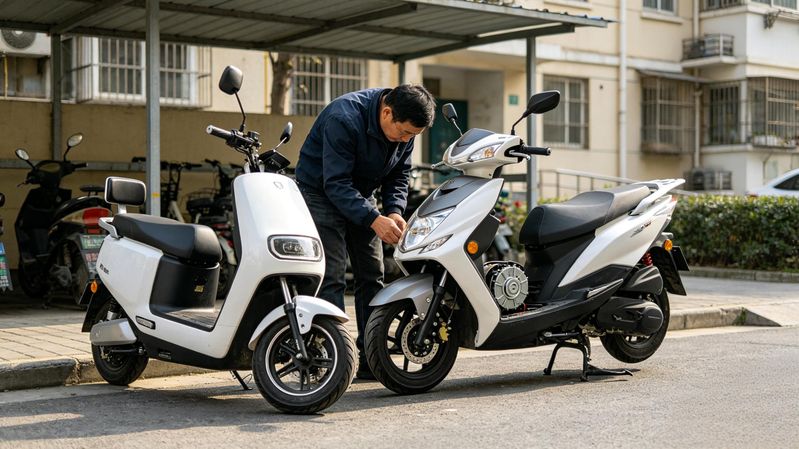
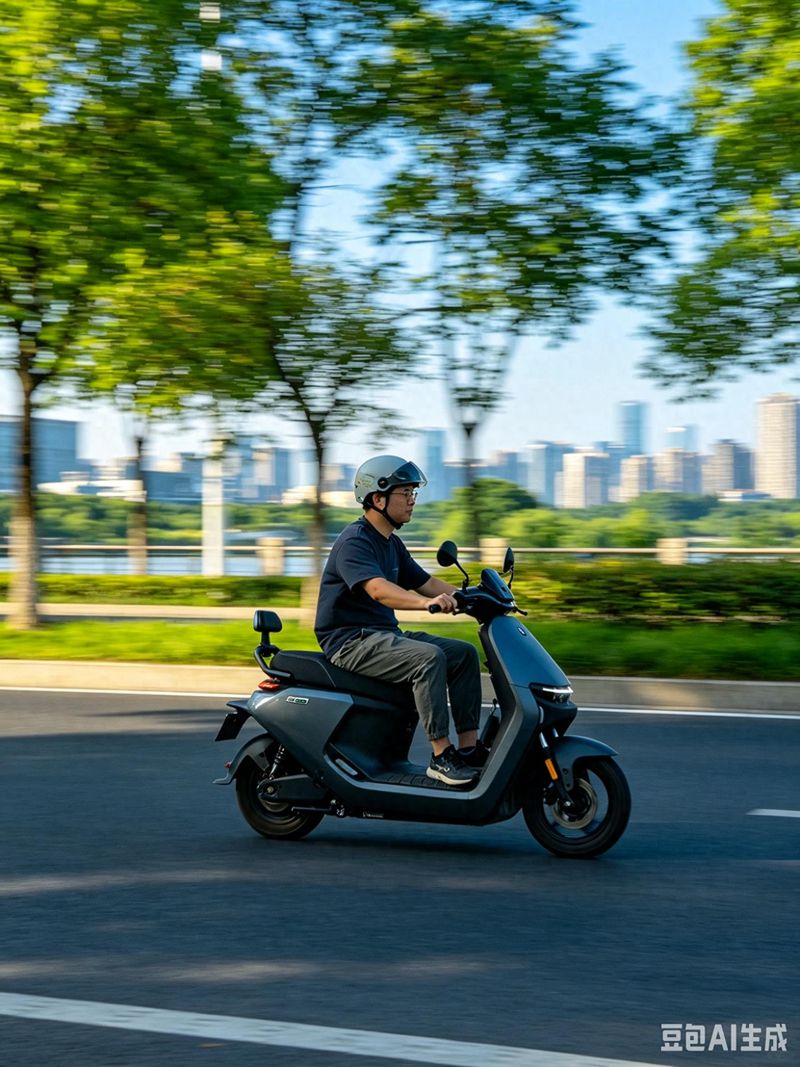
There are now short trips, 60v electric cars being the preferred option for many families. It is more powerful and more distant than the 48-volt vehicle; it is lighter than the 72-volt vehicle and easier to board and park daily. The stock of 60 volts of electric donkeys remains high, whether it is daily commuter buying food or sending children to school。
But a lot of drivers get the same problem when they buy them: when the new car is bought, the flat road rides all normal, and when it rises up the slope, is manned, the car loses power directly, the gas door is broken, the speed of the car is still too high to rise, and it is particularly hard to climb the slope. The first reaction of many people was that battery capacity was inadequate and that the problem remained unresolved, as it was costly to replace large-capacity bottles。
Having been engaged in digital and step hardware testing for many years, and having been exposed to a large number of cases of conversion and purchase of two-wheeled electric vehicles, i can tell you clearly: the majority of the reasons for the weakness of 60-volt electric vehicles in climbing the slopes are not batteries, but an unreasonable mix of electric power. When a vendor introduces a vehicle, it often obscures the parameters of the electric power, propagates them in a general way, such as “high power electric power”, and many ordinary consumers do not understand the differences in the parameters and do not find it appropriate to use them until they are on the road。
Today's dry article, dedicated to the 60v model, provides a one-time statement of how electric motor power can be distinguished, what is appropriate for different power levels, and what is needed for the selection of pits. It's easy to understand, without an obscure professional formula, new people can quickly understand the parameters of an electric machine, buying cars without being fooled by the merchants, balancing ramping power with the continuation of the voyage, and leaving the slopes up to the dead。
Before officially decomposing the power of the electric power, we clear out the basic knowledge: 60v electric vehicles, which mean 60 volts for the battery as a whole, often consisting of 5 block 12v lead acid batteries or multiple lithium batteries. The voltage determines the basis for the supply of electricity to the vehicle as a whole, while the electric power plant, which is the power core of the electric vehicle, is equivalent to the engine of the vehicle. The same 60-volt power platform, equipped with different power power units, has a wide gap between power output, power consumption speed and ramp capacity。
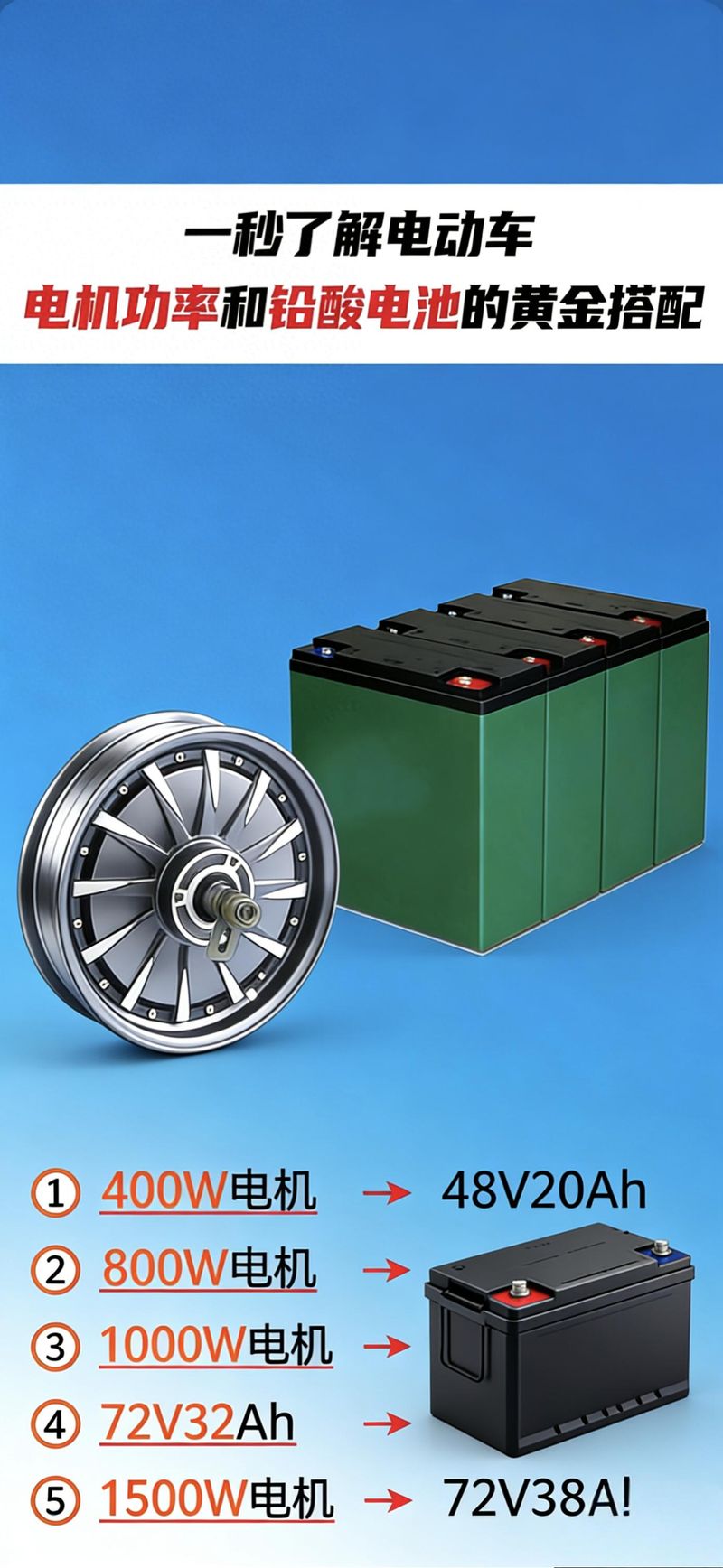
The main power of 60-volt electric vehicles on the market is divided into 500 w, 800 w, 1,000 w, and 1200 w, with some of the modified models using up to 1,500 w and above. Here's to correct a widespread error: the greater the power of the power, the better. High-power electric power sets out with a high capacity to climb the slopes easily, but with higher electricity consumption, the same battery is reduced; small-power generators save and continue longer, but the heavy load and steep slopes are not sufficiently dynamic. The core principle of selection and purchase is to match the appropriate power with its own day-to-day cycling and load requirements。
I. Detailed fit scenario dismantling of 60v power units
1. 500 w power: single-person steps on the city level select
500w is an entry-level 60-volt vehicle and is also the standard set of a number of simple and long-duration commuters。
Power performance: whole power output is flat, with most of the maximum speed being within 40 km/h. Single-person cycling, flattening of tarp roads and light slopes are fully sufficient; if there is a steep slope, or if it is manned and carried with it heavy cargo, the power will be clearly insufficient and the ramp will climb slowly。
Advantages: low energy consumption, combined with conventional 60v20ah batteries, excellent continuity performance, low electrical heat, lower long-term failure rate and low maintenance costs。
Suitable to the population: daily single-person commuting, flat road surfaces throughout the city, with few people and few steep slopes, giving priority to long-distance users。
Not recommended: routine riders, who live in mountainous areas and how long uphill sections of the perimeter。
2. 800w electric power: an integrated domestic balance, balancing power with sustainability
800w power is part of the gold balance configuration of the 60v platform and is currently the most dominant mix of electric motorbikes。
Power performance: single-person riding speeds are low, daily carrying people and a small amount of cargo is free of pressure; ordinary city slopes, medium and small uphill slopes are easy to pass and no power cartons emerge。
Advantages: power and power consumption are balanced, and neither are they as heavyweight as 500 w power plants, nor as fast as kilowatt-grade power plants, suitable for the vast majority of the country's cities and towns, and the most common。
For the most part, ordinary household users, who occasionally bring their children, have a few ramps and want enough power to keep them alive。
3. 1000 w electric machines: heavy load, multipolymers
The 1,000 w power power plant, which has a significant increase in the power of the explosion, is accelerating faster。
Power performance: both are loaded with large materials and can stabilize the power of export in the face of successive steep slopes, and there will be no failure to climb and protection from electric fever。
Disadvantages: electricity consumption is higher than 800 w, and if it is still accompanied by 60v20ah small capacity batteries, there will be a marked decline in the continuation of the voyage; the heavy load is running for long periods of time, the electric power is hotter and the heat is more demanding for controllers, lined dispersion。
Suitable to a group of people: often bicycling, raffling, living in the hills, travelling on a daily basis through the steep slopes of uphill and detour。
4. Electric units 1,200 w and above: performance orientation, suitable for retrofitting, heavy load
The 1200w, 1500w power units are high-performance versions, most of which are used in motor music and short-distance cargo vehicles。
Dynamic performance: rapid start-up, heavy-loading ramp capacity and sufficient power reserves。
Disadvantages: fast power consumption, high-capacity batteries of 60 v32ah and above are recommended to be fitted in order to ensure continuity; the whole vehicle spare parts are more demanding, controls, brakes, tremors need to be upgraded simultaneously, and the purchase of vehicles and later maintenance costs are higher。
Suitable to the population: users who have a professional need for heavy loads and are motivated; simply not recommended for routine steps, short-term renewal and low-value for daily use。
Ii. Select the power to purchase the electric power
Many of the main viewers focus only on power figures, neglecting other key parameters and remain vulnerable to pitting. Similarly, the 800 w power plant is marked, and there is a wide gap between the different types of actual experience。
First, there is a distinction between rated and peak power. It's the most common publicity package for businesses. Many businesses promote “1 000 w power electrics”, with a real rated power of only 800 w, and 1,000 w is a short-term peak output. Peak power can only erupt for a short time, cannot provide sustained power, and long-term reloading remains insufficient. When we select to purchase, priority is given to the rated power, which represents the power level at which the electric power continues to stabilize。
Second, electron type: non-scrutinizing straight current nem, divided into high-speed and low-speed nem. Currently, the main electric vehicle is not equipped with a brush-for-life magnetic generator, with low failure rates and lower energy consumption. The old-style scrubbers have largely been phased out, and the new car has been avoided as far as possible. High-speed generators are usually equipped with reduced gears, with better start-up flashes; low-speed large-twirling machines, with more stable heavy-mounted slope performance。
Third, look at the electric radiator process. Long-term human climbs on slopes, electricity opportunities continue to heat up, and if the heat spreads, the vehicle activates overheating protection, sudden power declines and severe damage to electrical wires. Pre-selection of shell-dissemination heaters, production of electric power units in large formal plants, and more secure use of materials。
Fourth, electrics and controllers match. Whether or not the power can be nominally activated, it cannot be separated from the controller. The power of a large power generator is fitted with a control device with a small limit flow, which is limited in power, which is equivalent to a “big power-defunct”; and a small generator is fitted with a large limit-controler, which can easily overload the power-burner. When the vehicle is purchased, the controllers and the electrical sets are identified and the controls are not modified at any later stage。
Iii. 60v electric motors selected for high frequency error pits
One: the more power the engine, the faster the car goes
The vehicle has a maximum speed per hour and is also affected by whole vehicle speed limits, controller procedures and tyre specifications. Many compliance motor vehicles have national speed limits, and even when they are mounted with high power power, extreme speed is still limited, and the increase in high power is mainly due to the acceleration of start-up and ramp load, rather than to extreme speed。
Erect 2: the slope cannot directly replace a larger power generator
Aging original car batteries, failure of controllers, car brakes and severe pressure on tires can also result in a heavy climb. The problem was not resolved before the replacement of the power plant, by checking the basic parts and avoiding the unjust upgrading of the power plant。
Miss three: the power can be upgraded at any later stage
Self-replacement of larger power generators, modifications of controllers would alter the parameters of the entire vehicle leaving the plant, some of which would be irregularly modified and would not allow normal annual road inspections, and there was also a security risk of overheating the line. If there is a real need for greater power, the first high-quality version of the original plant is selected on a priority basis and later self-retrofitting is not recommended。
Iv. Reference to complementary purchase options, as required, with or without stepping on
1. Single-person flat commuting: 60v20ah battery + 500w/800w, priority for renewal
2. Occasionally manned home, small ramp: 60v20ah/32ah battery + 800w, integrated equilibrium
3. Regular human cargo, steep slopes: large capacity batteries 60v32ah and above + 1000w
4. Heavy load, pursuit of powerful power: priority plant 1200w package, with heat dispersion and brake upgrade
V. Electronic small responsibility strengthening
It is equally important to maintain daily maintenance following the selection of electric generators, and to avoid early aging and power decay of the electric power plants。
First, to avoid long periods of forced climb. Particularly steep ramps are encountered, slowing ahead of schedule, flat acceleration, not full of electric oil, and reducing the instant overload of electric power。
Second, after the rainy days have passed, the electric power will be used as much as possible to avoid prolonged water bubbles. Despite having waterproof seals, long-term impregnation is still at risk of short-circuit access, with a prudent passage of the accumulated sections。
Thirdly, the power lines are regularly checked to prevent loose and rusty circuits, resulting in unstable power and weak power。
Fourth, vehicles are parked for long periods of time and are regularly recharged to avoid frequent start-ups in power deficit situations and to increase electrical loads。
At the end
For 60-volt electric vehicles, the electric power is the core component of the entire power, the power selection has no standard answer, and the best solution is to fit its own daily ride scene. Before buying a car, it is clear whether it is a single person, a domestic person, or whether it is often carried on steep slopes, then it corresponds to the rated power of the selected electric power, not blindly pursuing power, and not for the purpose of sustaining the severely inadequate configuration of the choice。
It is also important to remind riders that, regardless of the power of the vehicle, it is necessary to observe traffic regulations, control the speed of the vehicle and wear a safety helmet, and that safe riding always comes first。
I'd like to ask everyone here: what power is your 60-volt electric car carrying? Do you have enough power to carry people on the slopes? When buying cars, have there been any cases of commercial confusion between rated and peak power? Welcome to the comment area。