I. Why the point of the couple of the house organs
Sugar oranges, known for their high sweetness and juicy juice, are one of the most popular citrus fruits in the market. Cultivating sandy orange seedlings will not only enjoy the pleasures of hand-breeding, but will also yield abundant healthy fruit in the future. Compared to other fruit trees, sandy oranges have short-lived, adaptive and relatively simple management characteristics that are particularly suitable for family cultivation。
High-quality citrus seedlings are often nurtured by indoctrination techniques, which ensure that varieties are pure, yield early results and increase resilience. The marriage of seedlings enters the outcome period earlier than the seedlings, and the quality of the fruits is more stable and is the preferred choice for professional fruit farmers and family growers。
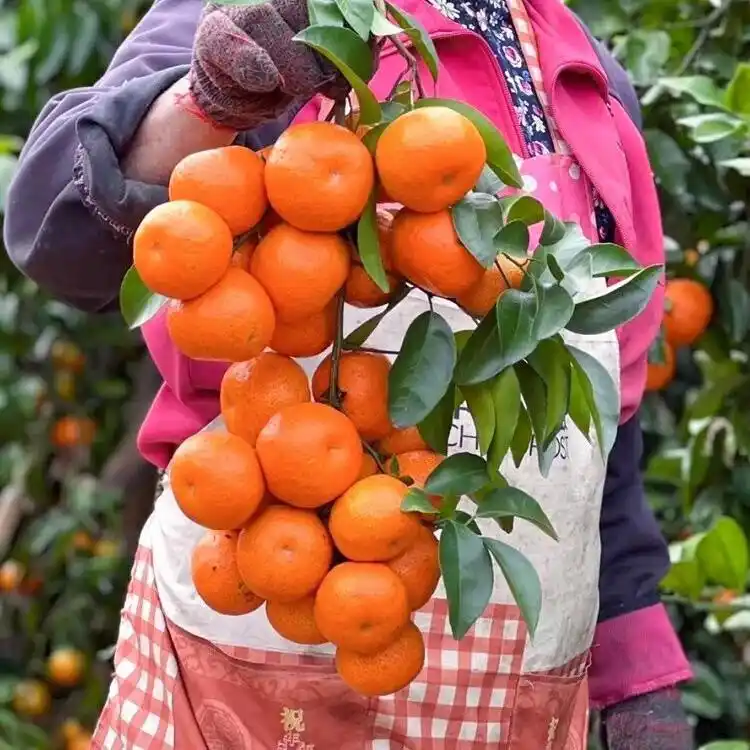
Ii. How to select a sapling of sandy oranges of suitable age according to planting demand
The choice of seedlings suitable for their own needs is the first step towards successful cultivation, with the distinctive characteristics of orange seedlings of different tree ages。
Five years of seedlings are in the process of growing fast and long enough to be suitable for growers who wish to observe the full growth process. The prices of such seedlings are relatively economical, and transport and planting are easier. While it takes two to three years to achieve results, it allows you to witness the full life cycle from seedlings to outcomes。
Eight years of seedlings are already in the early stages, with visible results of 1-2 years after planting, the ideal option to balance waiting times and economic inputs. Such seedling backbones are in initial form and are more resilient and suitable for growers who wish to see results sooner and are reluctant to invest too much。
Ten years of seedlings are in the pre-emergence period and can be produced in the current year or the following year after planting. This type of tree canopy has been initially formed and has recovered quickly after planting and is suitable for farmers who wish to harvest as soon as possible. While prices are high, they can significantly reduce waiting times。
In 12 years, the seedlings have reached a full poignant stage and have been able to grow in almost the same year. This type of tree is suitable for families who grow commercially or are anxious to taste the fruits. Its roots are well developed and adaptable, but transport and migration require more specialized treatment。
The 15-year-old seedling is an adult fruit tree with stable and good quality. Such trees are suitable for planters who need to establish orchard landscapes or commercial production immediately. Although high, economic benefits can be obtained immediately。
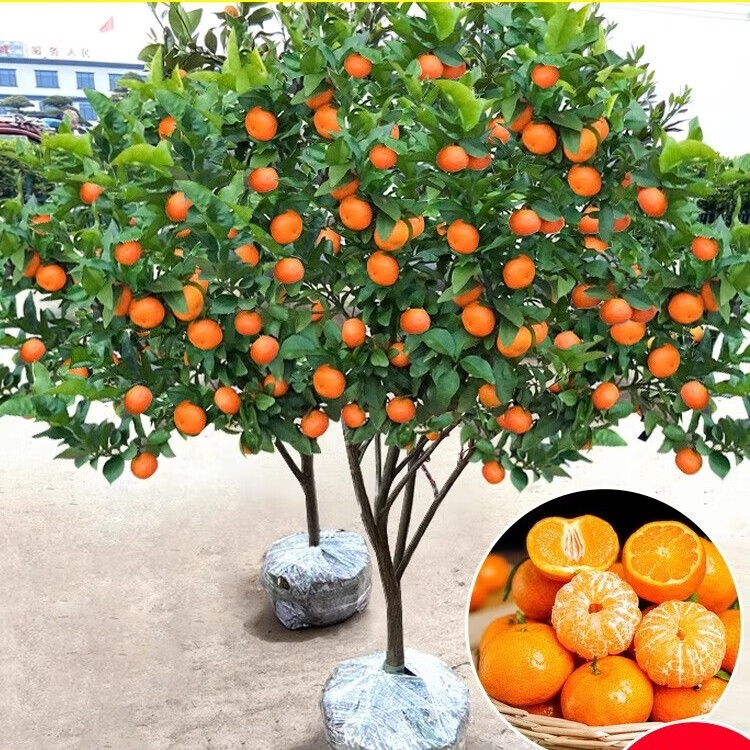
Mid-dreamed orange tree seedlings planted in the south and planted orange tree seedlings in the north
Twenty-three
Kyodong's rating is 94%
Purchase
Iii. Adaptation of the north-north responsibility of corrective zones
Many mistakenly believe that sandy oranges can only be grown in the south, but after years of improved varieties and improved planting techniques, high-quality sandy orange seedlings have become more environmentally adaptable。
In the south, caramel oranges can grow almost year round without special protection during winter. The choice of trees is based on the disease resistance and fruit quality of the species. Indulging in seedlings is particularly prominent in the south and is effective against common citrus diseases。
The cultivation of the north requires more attention. The choice of cold-resistant species for marriage is crucial. Temperature measures are required during the winter, such as the construction of simple greenhouses or the use of cold sheets to wrap trunks. The plant approach is more flexible in the north and can be moved to the interior in winter。
Both north and south, quality citrus seedlings should have the following characteristics:
The matrimony is healing well, no signs of disease
He's a grown man. He's a big man
The leaves are green and bright and disease-free
The main line is straight and the branches are evenly distributed
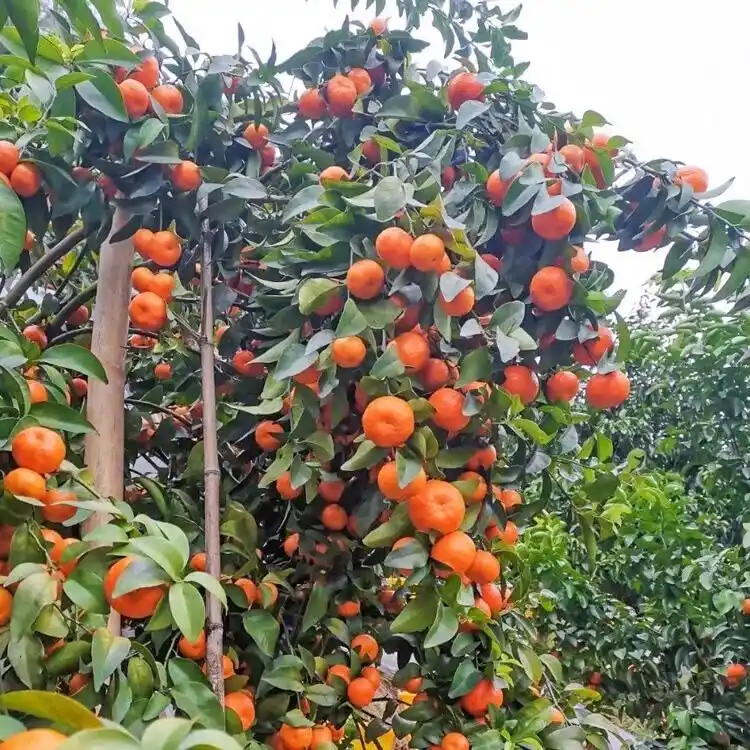
Iv. Equipment and proposals for the place and place of power
An orange sapling of sand can be planted on both sides, and the advantages and disadvantages of each approach should be chosen on its own terms。
The land is suitable for growers with courtyards or orchards. The advantages are:
The roots grow in unlimited space and the trees grow stronger
2x2 management is relatively loose, avoiding frequent change of basins
The result is usually larger than the pot, and the fruit quality is more stable
Four years old, a family heirloom
The plant is more suitable for growers with limited space. Its features include:
1x flexed and adapted to season
2 suitable for small spaces such as balcony, balcony etc
It turns out time is more than time. Morning
Four gills
Either way, careful management over the previous two years was essential. This period is a critical stage in the adaptation of tree seedlings to the new environment and the establishment of strong roots。
Saplings of the middream orange tree planted in the south and planted orange tree seedlings in the north
Zoom 123
Kyodong's rating is 94%
Purchase
V. Key conservation techniques after the planting of citrus seedlings
The successful planting of citrus seedlings is only the first step, and subsequent scientific conservation will guarantee the harvest. The following are key conservation points:
Soil management: sandy orange oscillated soil (ph5. 5-6. 5), soil alkalinity detectable and adjusted before planting. Regular pine soil helps maintain soil aerobicity and fosters root system development. Covering organic matter, such as wood crumbs or straw, maintains soil moisture and inhibits weeds。
The water-watering principle: the soil is wet but not watered during seedlings, and the frequency of water-watering increases during high summer temperatures. Adult trees are more drought-resistant, but water supply is required during periods of expansion. In winter, water is reduced and roots are prevented。
Fertilizer strategy: follow the principle of "battle and hard work" and produce complex fertilizer over a long period of time. The increase in potassium phosphate fertilizer in the autumn promotes the thawing of flowers and increases the rate of results in the coming year. Organic fertilizers are best used interchangeably with fertilizer。
Shearing is essential: the larvae is predominantly plastic, and the canopy is cultivated. Adult trees need to be able to improve ventilation by wiping out twigs, insect branches and down branches. In summer, light cutting controls the boom, and in winter, retracting the tree position。
Pest and pest control: periodic inspection of the back of the leaf and early detection of common pests such as red spiders and shellfish. Biological control is more environmentally friendly than chemical pesticides, such as the release of dictums to control red spiders. In the rainy season, care is taken to prevent ulcer and anthrax。
Vi. From flowering to results: management steps for sandy orange seedlings
Management priorities will need to be adjusted to ensure the quality and production of fruits as sandy orange seedlings enter the outcome period。
Flow management: citrus periods are usually concentrated in spring. Excessive application of nitrogen fertilization should be avoided to prevent falling flowers. A moderate drought helps to divide the buds, but during the flowering period the water supply is guaranteed. Artificial graft may be used, where necessary, to increase the seating rate。
Fruit development period: calcium fertilisation in early fruit reduces fissures. During the period of expansion of the fruits, the water supply is guaranteed evenly, preventing the loss of fruit as a result of dry and wet. Packages improve the appearance of fruit and reduce pesticide residues。
Timing of harvest: the maturation of sandy oranges is usually in winter. The degree of maturity cannot be judged solely by the colour of the fruit skin, but it should be tasted to confirm the sugar. Split harvests can prolong the supply of fresh fruit. (b) keep the infarction at the harvest and avoid mechanical damage。
Post-harvest management: the timely application of fertilizers to supplement tree body nutrients after harvesting provides the basis for the next year's results. Winter clean-up to clear the leaves from falling fruit and reduce the source of winter disease. In the north, cold measures are taken to protect tree bodies from winter。
Saplings of the mid-dream orange tree planted in the south and planted orange tree seedlings in the north
¥96
Kyodong's rating is 94%
Purchase
Question answers frequently: the mystery of caramel cultivation
Problems are inevitable in the actual planting process. The following are common problems and solutions:
Q: what about the new planting leaves
A: may be due to stress or damage to roots. Reduce the frequency of watering, avoid direct sunlight, and regenerate the leaf. In serious cases, root agents can be used to promote new roots。
Q: what is the reason why seedlings have not been planted for many years
A: possible causes include: variety problems (late seeding results), insufficient light, excess nitrogen fattening, inappropriate trimping or premature tree age. Embrying usually results three to five years, ensuring adequate light and balanced fertilization。
Q: how does the acid improve when the fruit is small
A: succeeding is the key, with two to three fruit per outcome. Potassium fertilisation is increased by sugar and moisture control contributes to the accumulation of sugar. To ensure sufficient light and, if necessary, to trim the branches。
Q: how to protect against freezing in winter
A: dry-painted or packaged with cold sheeting and inter-root temperature protection. The plant can be moved indoors or built into an improvised greenhouse. Before the onset of the cold, the water is fully watered and the underlying system is protected by the subheated heat released by the water。
Q: what are the environmental approaches to pest control
A: slurped with yellow viscos to kill lice and released dictums to control red spiders. Pour garlic or pepper water for deworming and keep the park clean to reduce the source of the disease. Priority is given to biological pesticides。
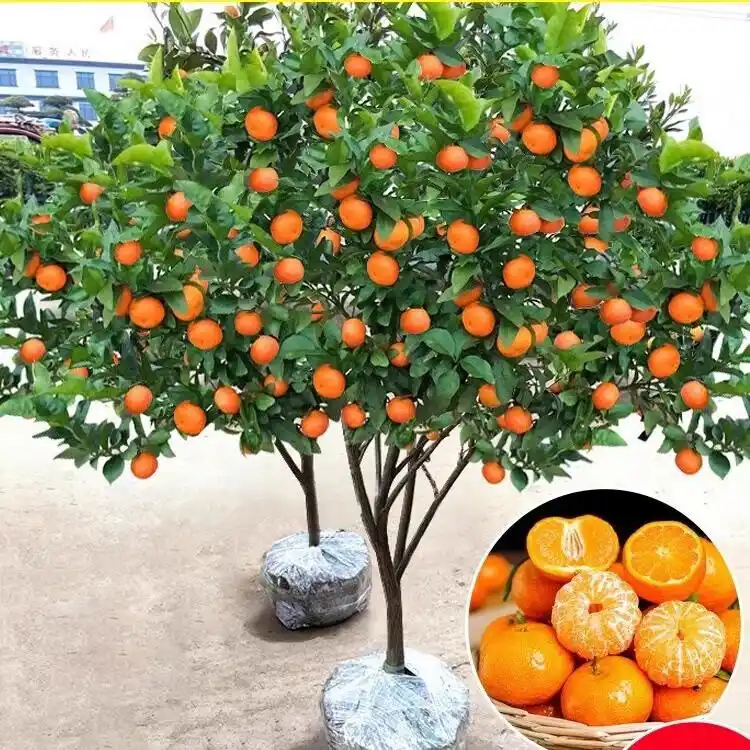
Viii. Long-term value and return on investment of sandy orange seedlings
Cultivating citrus seedlings is not only a hobby but also a valuable long-term investment. From an economic point of view, an adult caramel orange tree can produce 50 to 100 pounds per year and, at market prices, recover investment within a few years. Home-grown fruit is free of pesticide residues and more secure to eat。
In terms of ecological values, the sandy orange tree cleans the air, glorifies the environment and adds four seasons of green landscape to the garden. In the spring, the fragrance of the flowers and the fruit and fruit of the autumn are gruesome and of great value. Trees can also provide cold and improve the small climate when they grow up。
For families, the cultivation of sugar oranges is an excellent parent-child activity. Children learn about nature by participating in the planting process, and develop responsibility and patience. In the harvest season, the whole family collects together, shares the fruits of work and creates good family memories。
From a health point of view, caramel oranges are rich in nutrients such as vitamin c and yellow ketone, which enhance immunity. Self-planting ensures freshness and safety of the fruits and avoids the potential problem of preserving the fruits。
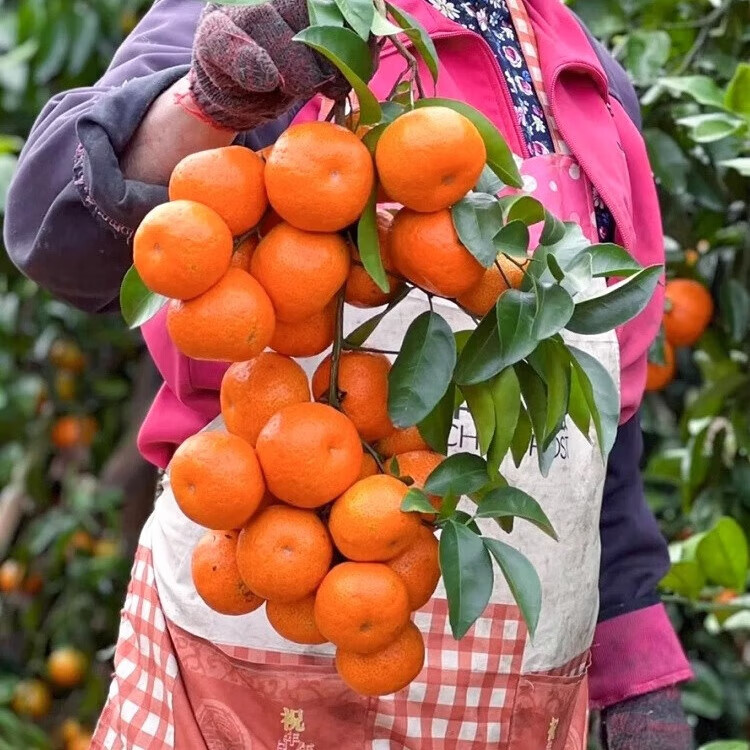
Mid-dreamed orange tree seedlings planted in the south and planted orange tree seedlings in the north
#68
Kyodong's rating is 94%
Purchase
Ix. Sharing success stories: the experience of the citrus growers
Mr. Zhejiang's family grower, who started growing sugar oranges five years ago: "i first bought five years of seedlings and started the third. Now they harvest hundreds of pounds a year and give it to their families and friends in addition to their own. The key is to choose the right species, and i choose the insect to be disease-resistant and the fruit to be sweet."
Ms. Lee, guangdong balcony growers da: "i planted an eight-year-old seedling with a big pot, and in the next year i had more than 20 fruits. The pelvis needs to be trimmed, and i'll recut it every year after harvest. Keep the tree tight. It's a regular spin, and it's a smooth light for all sides."
Mr. Wang, small orchard owner of jiangxi: "i have 50 orchards of 10-15 years old in my orchard, using eco-planting. The annual income is considerable, and tourism is also developed. Sugar orange management is simpler than oranges, market prices are stable and good cash crops."
These cases have shown that, regardless of size, sugar orange cultivation can be successful if the correct methodology is available. The key is to select high-quality seedlings, adhere to scientific management and wait patiently for returns。
X. Starting your journey to sugar and orange
Cultivation of citrus seedlings is a long-awaited journey. Whether you're a professional grower with large orchards or an urban horticultural enthusiast with only balcony space, you can find a suitable planting programme。
The selection of good quality seedlings of appropriate tree age is a first step towards success. Given your planting conditions, patience and expectations, five years of seedlings are for you who likes to observe the growth process, 8-10 years for you who wants to see results sooner, and 12-15 years for you who wants immediate benefits。
Remember, there are no shortcuts but there are scientific methods. Following the planting and conservation points presented here, your citrus seedlings will thrive and eventually repay you with sweet fruit。
Let's start planning your sweet oranges now! Whether it be a corner of the courtyard or a balcony, it can be home to this golden fruit. In the near future, you'll be able to taste the sweet sandy oranges you have grown。
Saplings of the mid-dream orange tree planted in the south and planted orange tree seedlings in the north
Quarter 178
Kyodong has a 95% rating
Purchase