Growing food is always a failure? Don't blame yourself for being so clumsy! You're probably just being taken off the internet with scattered information, missing a truly new, systematic “slugger map”. Growing vegetables is like playing games, walking one step at a time and avoiding common pits. The harvest is really less difficult than you think. You don't have to be an expert, but if you do it, the balcony garden will be productive。
The choice of seeds is like finding a home for a vegetable, and the environment is right for it to grow comfortably。
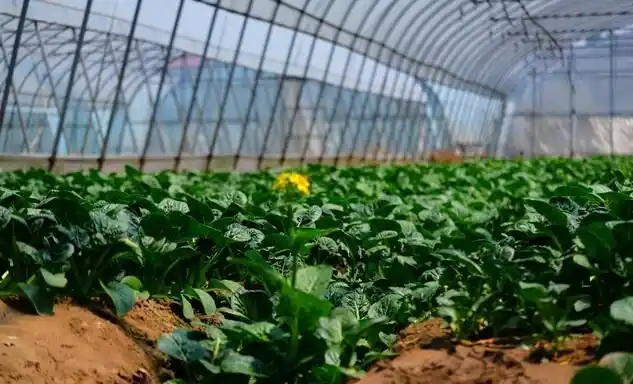
When spring is a little chilly, spinach, lettuce, cabbage and so-called "no cold" players will be able to enter the field, and they will grow at about 10 degrees. By summer, you're gonna have to get some "hot-resistant champions" like cucumbers, cucumbers, silkmelons, which can hold more than 30 degrees of sun. The fall light is shorter and suitable for vegetables such as radish, cabbage and broccoli, which prefer short-sun photos. In winter, you have to choose onions, garlic, fragrances, hard guys that can grow at low temperatures。
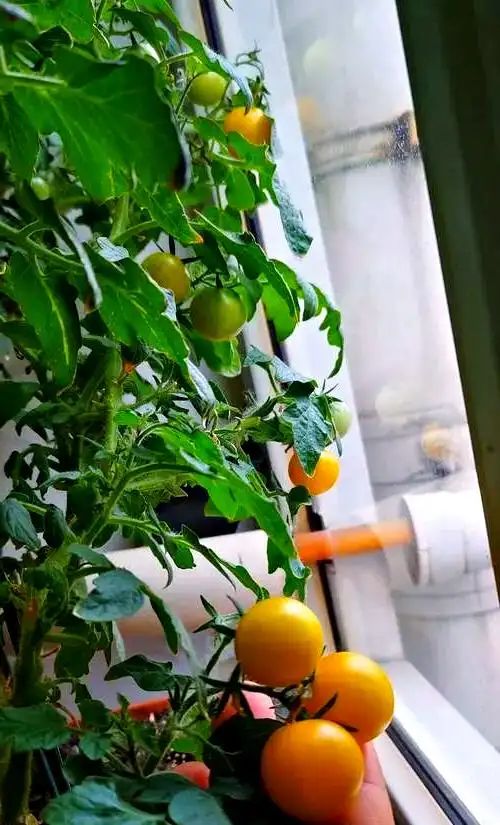
If you only have a balcony, don't even think about growing a pumpkin. Cherry tomatoes, mini-cucumbers and potted chili varieties, which are produced exclusively for potted plants, have no place and are managed to save attention. The light is not very good at home, and the sun is only three or four hours a day, so we grow a herbs, mussels, oil, and they are not so picky about the sun。
It's all in the ground. A good field is half the success。
It's hard to grow the new earth or the mud in the yard. You need to add food to the soil: mix about 30% of the decomposed organic fertilizer, such as goat dung, chicken dung or composting of your own, mixed with a river sand or coconut. This is done so that the soil is fertile and soft, so that the water can be pumped in. There is no soil for light water and no nutrient for seedlings。
The soil of the south is often acidic and can be reconciled with some grass-wood ash or a small amount of raw lime, which is suitable for raw vegetables, platinum, and vegetables that prefer micro-alkali environments. The soil in the north is often alkaline and needs to be corroded with leafy soil or to be tempered with diluted water of rice vinegar, which is good for such acidic vegetables as tomatoes and spinach。
Past soil cannot be grown directly into new foods, which may contain bacteria or eggs. A simple solution would be to spread the earth open and tan in the sun for three or five days, with ultraviolet light being the best disinfectant. If we want to be more thorough, we can blend in a little bit of a microbice and effectively prevent endemic diseases。
Turning seeds into strong seedlings is a promising first step。
Seeds smaller than sesame, such as lettuce, oilseeds, can be ploughed evenly with dry sand, and then slowly spread over the earth. When it is soaked, a thin layer of soil is covered, approximately two or three times the height of the seed, which is then pressed lightly with a hand to allow close contact between the seed and the soil。
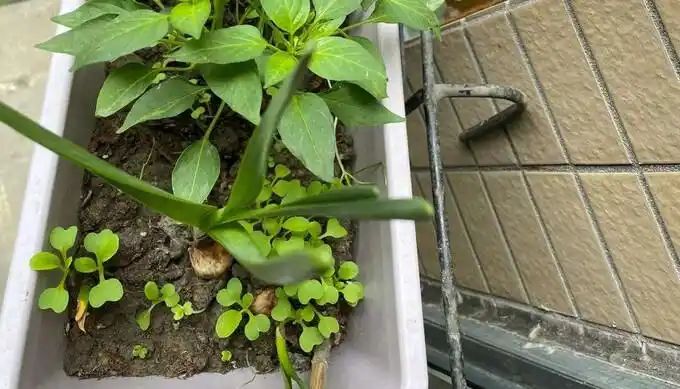
For large seeds such as pumpkins and bean horns, they can be “filled with water” first. Insulated with warm water for between four and six hours, with the presence of small white dots (low whites), it is possible to plant. Dig a small hole in the earth, with two or three seeds in each hole, leaving the most robust one, and others torn apart。
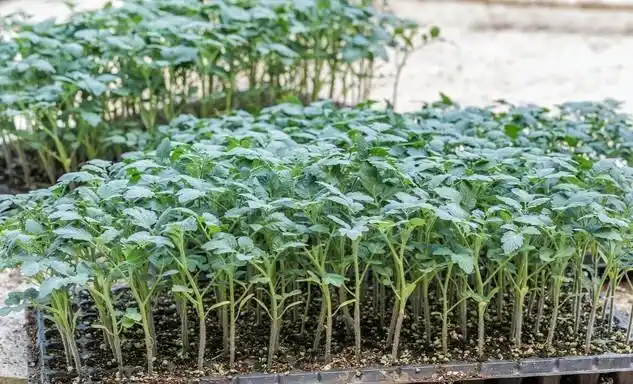
When the seedlings grow two or three real leaves, they look full of spirit and roots, they can move. And it is best to choose between the cool evening and the dark day, and avoid the sun at noon. Carefully excavate the seedlings with the clay of the roots and try not to hurt them. In the new sanctuaries, a small piece of rotting organic fat can be used first as a base fat, then the seedling can be put in, soiled and watered once. For the next day or two, if the sun is big, it needs a little shade to help the small seedlings get through the adaptation period。
After survival, daily care determines the final harvest。
Watering is a technical task, with the core being “dry and wet”. Put your finger under the ground about two centimeters and feel dry and water. A little less water is needed during the period, forcing its roots down in search of moisture. By the time the flowers bloom, for example, during the cucumber boom, sufficient moisture is required. In the event of consecutive rainy days, care must be taken to drain the water, otherwise the roots will rot in water. Water should be watered in the morning or at night, with water near the ground temperature (e. G. Dry running water), avoiding watering at high noon temperatures, which can easily burn the roots。
Fertilizers are taught to eat. Shrimp periods are mainly long, long leaves, which can be used to refill nitrogen fats with thin, corroded bean cakes or rice. If the leaves are yellow, they're probably missing weight. When vegetables start to bloom, the nutritional focus shifts to phosphorus and potassium. Leaf can be sprayed with potassium phosphate solution, or some grass-wood ash, decomposed fish in the soil, which can make fruit large and good. Remember one principle: "fatful and hard work," which is much safer at a lower rate and with a higher frequency than a punch。
The plant is managed in such a way as to allow nutrition to go where it is. Vegetables, such as cucumbers and bean horns, which climb the vine, are prepared in a timely manner, with a human font or grid frame to guide them upwards. If the vines are on the ground, not only are the fruit perishable, but also the insects。
For tomatoes and eggplants, vegetables with many side branches, there is a need for frequent “snatching”. It is to remove the extra sprouts that emerge between the main pole and the leaves so that the nutrients can be concentrated in the flowering of the main pole. Tomatoes often use a method called "single whole branch" that leaves only one chicken and removes all the other branches. If it turns out that the seedlings are not so tall and the leaves are so wide, it's like "breeding." at this point, water is controlled, light is increased, or the spray of potassium dihydrohydrophosphate solution is able to inhibit the length of the leaf and promote root system development。
There's always some "unhurried visitors" in the garden. To deal with aphids, white ticks, you can put a couple of yellow sticky boards next to the vegetables, and they like yellow, and they get stuck flying. Larger insects, such as larvae and snails, can be caught directly by hand when they are initially small. Covers the vegetable field with a thin worm net that physically isolates most pests。
You can make yourself some deworming water. For example, aphids are effective when sprayed with peppers and garlic; red spiders are protected against smoked water; white powder is prevented with small soda dilution. These methods are relatively environmentally friendly. In addition, the same land should not grow the same type of vegetables year after year. This year, for example, tomatoes (cheese) are grown, and next year, bean bean beans (beans) or lettuce (cruise), which is called rotational and can significantly reduce the accumulation of disease in the soil。
The timing of harvests is incorrect and has a direct impact on taste and subsequent production。
Let's not wait for the whole elders to pick up vegetables like lettuce and oil. When they grow to 15 to 20 centimetres, they break leaves from the outside and leave the heart of the centre to grow. This allowed for several sustained harvests。
Potatoes, peppers, and so on. Tomatoes turn red for the most part in the fruit skin, but there's a little green in the vicinity of the fruit, which tastes the best. The chili is to be picked when the fruit is full, the colour is bright and it feels hard. The timely harvesting of mature fruit stimulates the growth of new flowers and fruits。
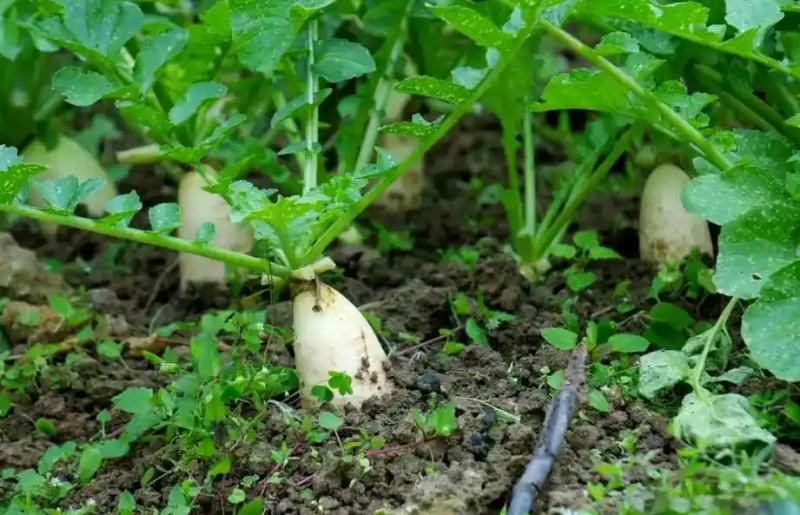
Carrots, potatoes and vegetables that grow underground depend on the signal from the ground. When their leaves begin to turn yellow and wither, it means that the stem or root of the ground is grown and can be dug out. It's too late for radish to be “heartful” and potatoes may also grow in the soil。
The most important thing about growing vegetables is observation. Each vegetable has a different temper: cucumber water likes more water and beans are afraid of flooding; leaves require more nitrogen and fruit can require more phosphate. Frequently look at leaves, and if yellow is not fat, if rolls are not water. The method of care is adapted to their actual state, and any formula works better than the dead。