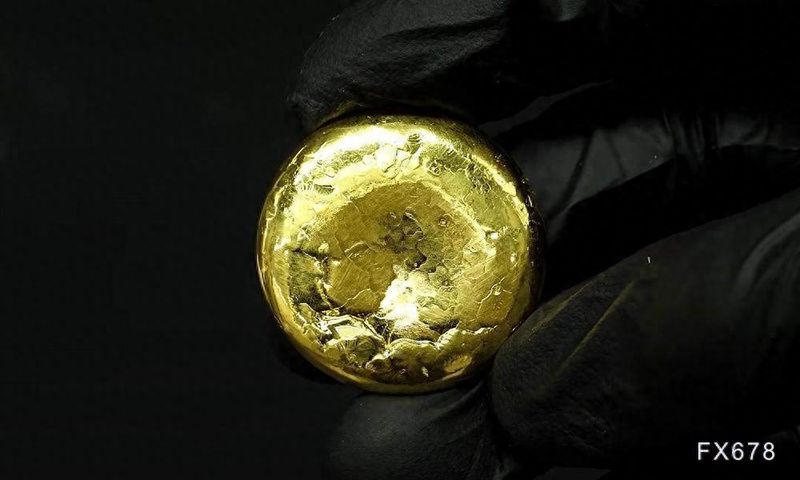
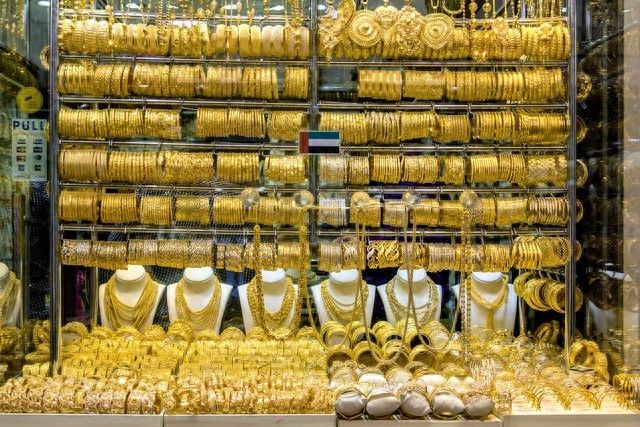
Last year, gold and silver, rocking prices on the international market, suffered a huge setback on the last trading day last january. On 30 january, the price of gold fell by almost 10 per cent a day, and the price of silver fell by nearly 30 per cent, the largest single-day drop recorded, making january the most volatile month in the history of precious metals。
On 30 january, the lowest spot gold price plate touched $4686. 12 per ounce and received $4883. 62 per ounce, representing the largest single-day drop in gold since 1983. The february cash futures in the united states, however, were 11. 4 per cent more severe, with a minimum of $4,700 per ounce reported as $4745. 10 per ounce. Silver prices dropped sharply by 27. 7 per cent on 30 january, at $84. 43 per ounce, with a drop of 35 per cent touching $73. 49, a decline recorded by the london stock exchange group since 1982. Other precious metals such as platinum and platinum also show double-digit decreases。
What was the pusher behind last year's collapse and the first month of 2026? How's the market back? This unprecedented and dramatic shock in the global precious metals market, according to many marketers, can be described as a combination of policy expectations, international morphology, industrial demand changes and market sentiment。
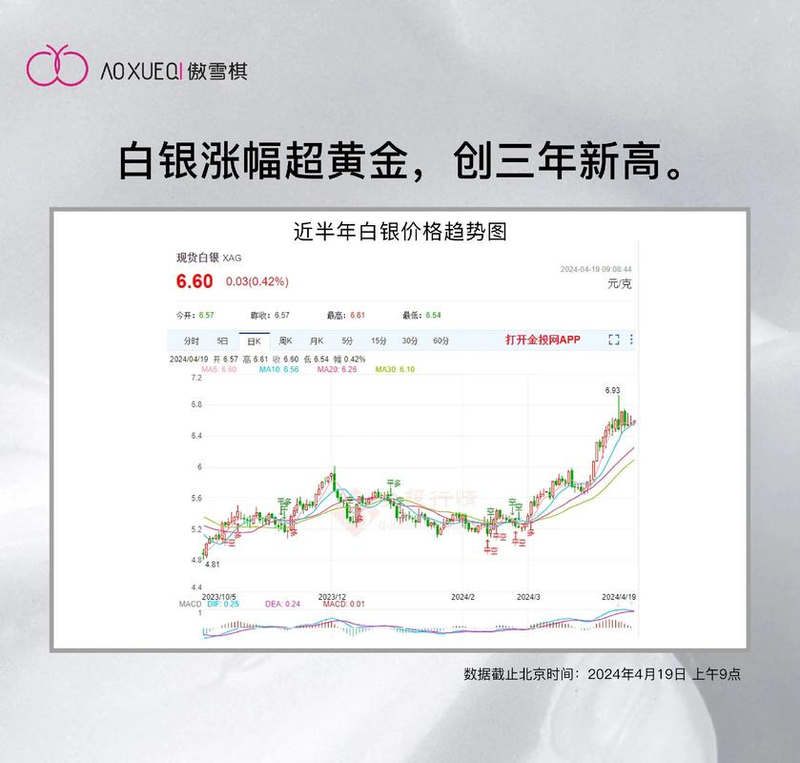
Previously, the rise in price of precious metals, driven by heightened geopolitical tensions and the resulting rapid rise in market evasiveness, was largely vulnerable in 2025, with markets more inclined to choose precious metals as safe havens, far from other traditional instruments such as the dollar and yen. Owing to geopolitical tensions and protectionist measures such as the united states tariff policy, central banks are holding gold, whose monetary attributes and reserve functions have been released in addition to its risk-averse function, further contributing to rising gold and silver price hubs。
In addition to avoiding risk buying, industrial demand is driven by the “splendour” of the precious metals market. Demand for silver has increased rapidly for space photovoltaics, new energy areas, aid, etc., while the limited availability of silver minerals and supply gaps have supported prices。
Concerns about rising inflation and the weakening of the dollar also prompted investors to view precious metals such as gold and silver as a risk hedge。
However, continued rapid growth, unprecedented fanaticism and over-leveraging have brought markets together with significant adjustment risks and led to short-term bubble break-ups。
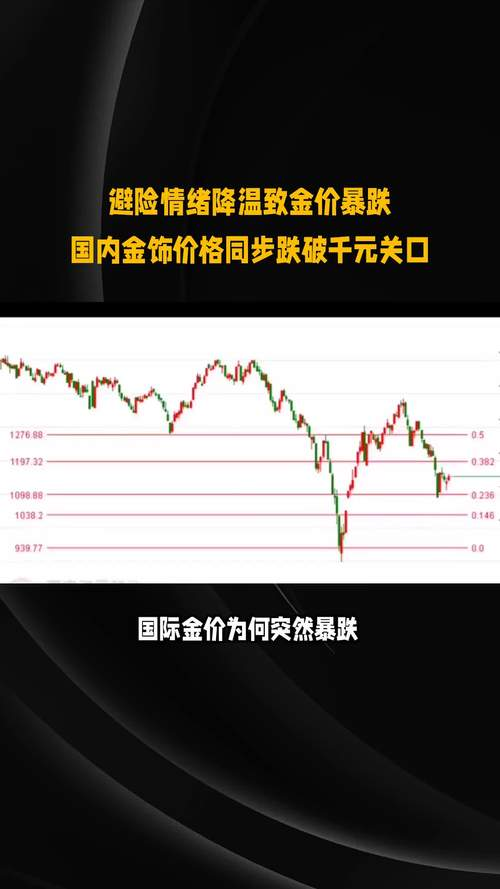
On 30 january, the president of the united states, trump, nominated kevin walsh, a former member of the united states federal reserve, to replace powell as the chairman of the united states federal reserve, as a direct trigger for a major earthquake in the gold and silver markets. Walsh is well known for his hawk stance, and, although there are still differences over his future policy course, his nomination still lowers investors’ expectations of further interest rates to the fed, as well as concerns about the independence of the fed’s policy。
This collapse was also fuelled by the wave of gold and silver prices that, after a record high, collectively sought to gain. On 29 january, spot gold prices reached a record high of $5596 per ounce, and spot silver prices reached a high of $121. 48 per ounce, more than double and three times higher, respectively, than at the beginning of 2025. According to the world gold association, international gold prices rose 40 times in 2024, compared with 53 in 2025. Today, in just a few hours, the market value of gold has evaporated to nearly $200 billion, a large swing that highlights the rapid transition from fanaticism to panic. According to analysts, the fall was a necessary adjustment to the price of gold and silver, and the rapid increase was seen as a speculative bubble。
The combination of these factors led to the closure of the profits, as suki cooper, the global director of the slag chartered commodity study, pointed out。
At present, there is widespread market interest in future trends in precious metals such as gold and silver. Looking ahead to 2026, the trend in gold and silver prices is fraught with uncertainty. Looking at multiple focussing on structural change, macro support and temporary adequacy of liquidity, the viewers emphasize over-buying risks and the possible revaluation of potential policy stability。
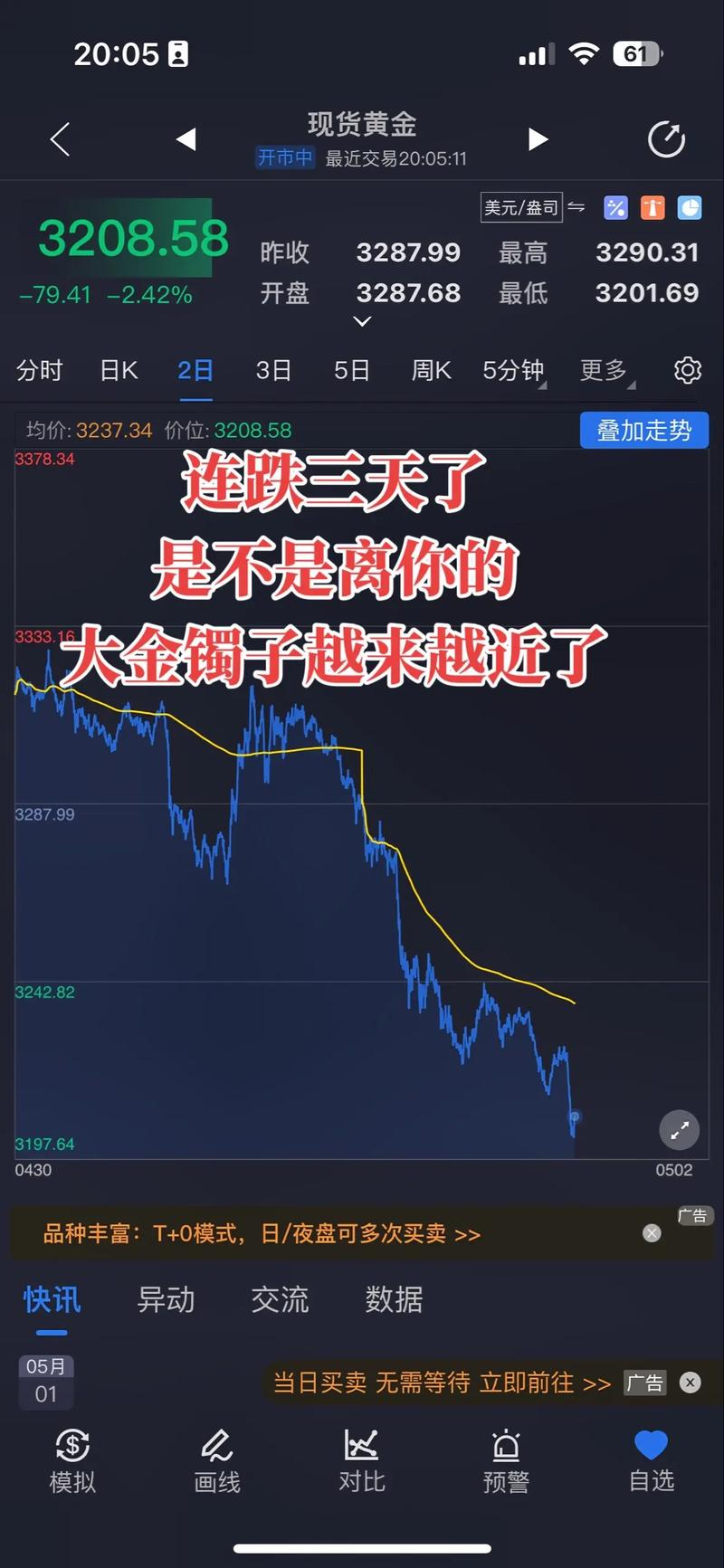
Some analysts have indicated that, despite the pressure to sell in the short term, it is not the end of the cattle market, that the core appeal of gold as a risk-averse asset has not subsided and that geopolitical uncertainties and macroeconomic factors may still drive its rebound. The fed will continue to reduce interest rates this year, the united states debt continues to rise, and geopolitical risks are key variables that will put downward pressure on the dollar to support the price of precious metals. This is a re-establishment of a more moderate upward trajectory。
However, analysts have also warned that speculative premiums may quickly disappear if central banks suspend purchases, if the united states dollar is strengthened by hawks or geopolitical pressures are eased. In addition, high prices may discourage industrial demand and create technological alternatives, thereby reducing industrial demand for corresponding precious metals。
Historically, precious metals, such as gold, have been more volatile assets, having experienced many rapid increases and a plethora of declines, with higher investment risks and periodic speculation. In the future, not only will the movement of precious metals such as gold and silver be influenced by single variables, such as interest rates or dollar movements, but the overall stability of the global monetary and fiscal framework, changes in the global monetary system, and the development of future industries and frontier industries will also have substantial, structural changes in their supply-demand relationship。