What a shock of international gold and silver prices
International gold and silver prices fluctuated sharply after recent updates of historical highs, and again jumped on 2 february. Compared with the historic peak of 29 january, the cumulative drop in the low point on the silver plate on the second day has reached 40 per cent and the cumulative drop in gold prices has been about 20 per cent。
According to xinhua, market analysts believe that the price shock reflects increased volatility in the precious metals market against the backdrop of the expected shift in global liquidity, changes in the fed's personnel and a high concentration of speculative positions. This round of price fluctuations is the result of a combination of technical adjustments and expected changes in policy, marking a change in the investment logic underpinning prices in the preceding period。
Market shock: a roller coaster at silver and gold prices
On 29 january, the price of international gold and silver fell sharply after its historic highs, while the price of gold futures on the new york commodity exchange fell by nearly 7 per cent in just 28 minutes and the price of silver fell by 11 per cent over the same period. On 30 january, the largest drop in the cash and silver price plate since 1980 was recorded. The price of gold fell by $4,700 from a high of $5,300 per ounce. On 2 february, the price of gold and silver jumped again, and the price of cash and silver dropped by over 14 per cent at one time, and the price of gold fell by over 9 per cent on the price plate。
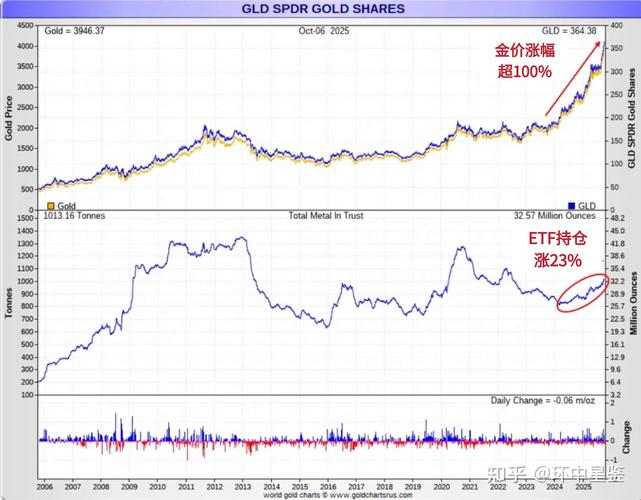
The new york commodity exchange trader, anthony julian, stated that when prices break critical technology support positions, large-scale disruptions can be triggered and market rolls increased, and such sales can lead to a fall in prices at short notice。
In a report to clients, suki cooper, a precious metal analyst at standard chartered bank, analysed that the collapse of recent gold and silver prices had been triggered not by a sudden deterioration in fundamentals, but by a liquidity squeeze. The logic of previous market increases was too monolithic, with extremely congested positions, and once the trend reversed, there was a large-scale silo effect。
According to the indian economic journal, the market value of the global gold and silver market has shrunk to over $3 trillion in a short period of time. An analysis of the report suggests that the high level of global sentiment in the preceding period has led to a large backlog of profit margins and a long-term high level of overpurchase in the market。
Funding exits: structural adjustment of international institutions
Behind the sharp price volatility is the structural adjustment of international institutional funds. The data show that, as at the end of january, there was a clear mismatch between the new york commodity exchange's registered inventory of silver and open contracts, and that this demand-supply bias had been the central driving force behind the previous “roaring” of silver prices. However, when prices reached historical heights, the withdrawal of some large institutions upsetd the balance。
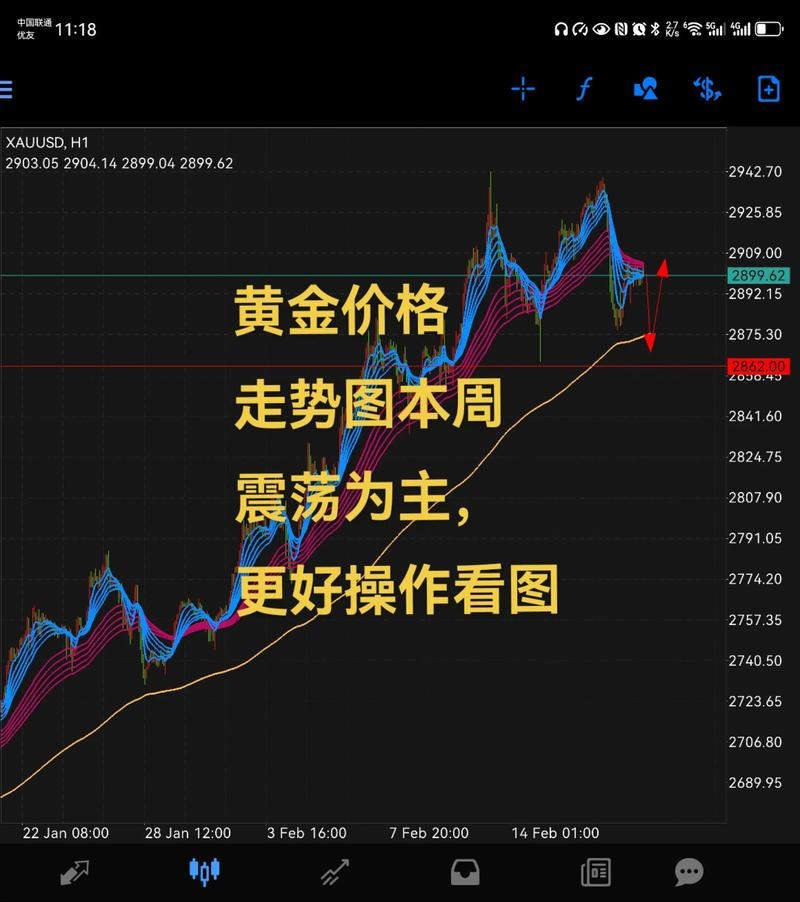
Data from the united states commodity futures trading commission (cftc) indicate that major international commercial banks have significantly reduced their net holdings before and after large fluctuations in gold and silver prices. Dominique schneider, head of bulk commodities in the wealth management sector of the sbg, argued that institutional investors were usually more decisive in the face of uncertainty, and that when the bottom logic of the macro-level environment changed, it became a preferred strategy。
Goldman sachs mentioned in an industry brief that the volatility of the silver market revealed speculatively driven unsustainability. Its monitoring shows that large hedge funds have begun to hedge multiple positions on the eve of the collapse, and that when market sentiment shifts, these agencies use algorithmic transactions to operate quickly in reverse, while bulk investors who lack risk controls are often forced to become liquidity providers。
According to incomplete statistics, in the recent past, the market for silver derivatives alone has been set at a level of hundreds of millions of dollars a day. Morgan chase analyst noted that this deleveraging process, while accompanied by pain, was necessary for market self-correction in the long run. The flow of institutional funds indicates that capital is being withdrawn from the high-risk swing game to observe the next phase of macro-policy orientation。
Repricing: the investment logic shift to defoaming
The expected changes in the market vis-à-vis the united states dollar are another major cause of the sharp shock of recent gold and silver prices. On 30 january, the president of the united states, trump, announced the nomination of kevin walsh, former member of the fed, as the next chairman of the fed. Investors generally expected that the dollar would appreciate in the future, as walsh had stressed the importance of price stability and a strong dollar on previous occasions. The analysis by the leading economist, neil hilling, of the market research institute, suggests that if the dollar interest rate were maintained at a high level, it would weigh heavily on the price of gold and silver that would not generate interest earnings。
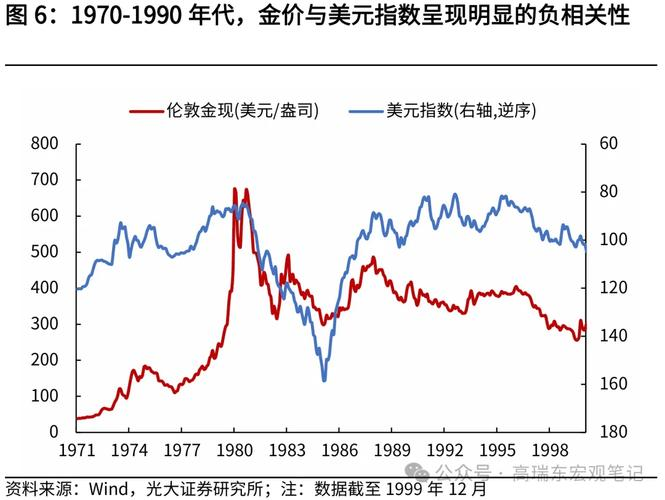
Following the announcement of the federal reserve chairman's nomination, the dollar index rebounded within a short period of time and the return on united states debt rose over a 10-year period. Global asset management's global chief investment strategist, li wei, stated that the nomination changed the bottom logic of market transactions, and investors began to shift from a game of expected lower interest rates to a risk of re-pricing liquidity contraction. The withdrawal of funds from precious metals and the flow of funds to united states debt reflect a shift in the focus of risk-averse assets。
In its report, the consulting firm rolandberg warned that the shock in the precious metals market reflected the re-engineering of the global asset pricing logic. The report notes that the depth of the silver market and the global central bank's reserves are far less supportive than gold, making it vulnerable to “destructive” liquidations when liquidity is tightened. When assets are removed from the nature of risk avoidance by excessive speculation, they themselves become the most risky point。
According to michael hewson, director of major commodity studies at deutsche bank, the collapse in precious metal prices is a reminder that there is no absolute safe haven in the market. The global precious metals market is undergoing a process of de-foaming and driving away from purely emotional to more rational macro-data-driven。
World gold association analysts believe that, despite the volatility of gold prices in the short term, historical experience has helped to curb excessive speculation and that future market trends will depend more on the evolution of real global interest rate levels and transparency of central bank purchases。