


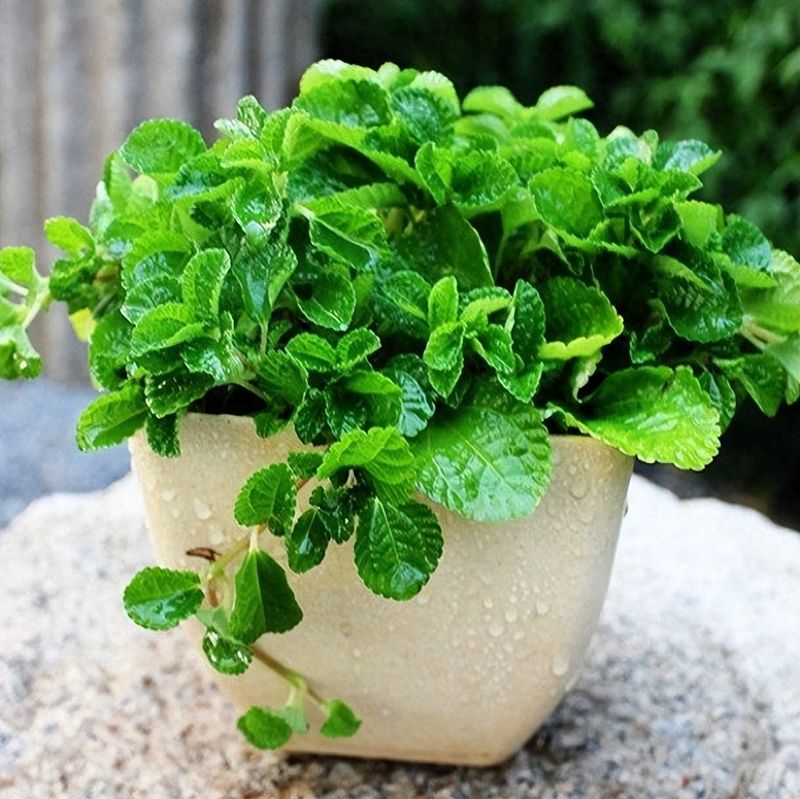
As people's standard of living continues to rise, urbanization accelerates, people begin to live in fields, and many grow attractive and healthy vegetables on the balcony, indoors, which is certainly a great choice. Inner vegetable cultivation, which serves the interests of the urban population in their leisure time, as well as the interests of the family environment, as well as access to healthy, safe and healthy organic vegetables and vegetables, is a new form of leisure life that has been welcomed by modern people. Based on this, plant techniques such as pellets for home-grown health-care vegetables such as carnal acids, purple-back sunflowers and mints are introduced。
One, wear a heartline
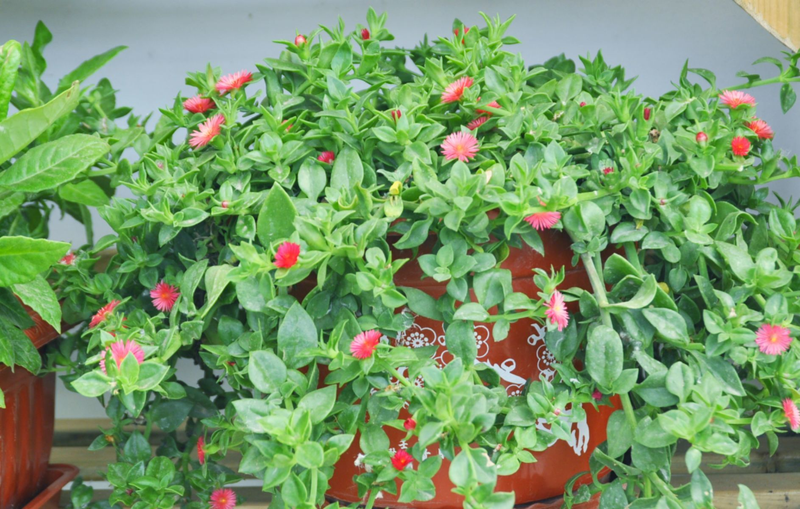
In the botanical classification, the real hyena is a corset plant, known as andrographas paniculata (burm. F) nees, while the eating of hyenas for apricot is a multifacous plant, known as apentiacodicofolia (l. F.) schwant., also known as grass, weeds, porcelains, heartleafice, etc., which is described here as dysenteria。
1. 1 observation properties
Bounty, cylindrical, solid, 20cm long, stretching back to half-scatter. The elliptical shape of the leaves is life, the flesh is fat, there is no vein, green, and there are branches in the armpit. At the top of the branch, flowers bloom, flowers are dark roses red, flowers are light yellow, flowers are chrysanthemum, small petals are light, open from spring to autumn, valuable for viewing。
1. 2 indoor plant practices
1. 2. 1 containers and matrices
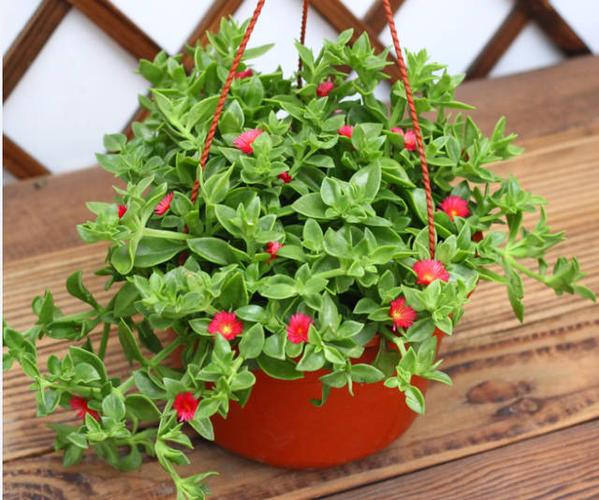
Indoor vegetable cultivation is less demanding for packagings, which can be used as containers, with the exception of the usual types of flower basins, with a depth of 20-30 cm, and with modifications to meet planting requirements。
The indoor pelvis base uses non-toxic, non-odour-free, disease-free, insect-free eggs, and light quality characteristics, with a mix of 6. 3 and 1 on the purchase of nutrient-rich ground or herbide, pearl rock and neptunite。
1. 2. 2 reproduction methods
It is generally done by cutting in, picking out mature branches, cutting them to about 10 cm, each 2 to 3 knots, with or without a heart leaf, planting four to six pellets of prepared soil, pouring water into the air, keeping the pelvis wet, and the new branches standing around 10d。
1. 2. 3 long-term management
The principles of glamour, fatty, watery, hot and wet, growing at a suitable temperature of 15-25°c are to water every time water is watered, dry and wet, and lubricated every half month。
1. 3 the role of health
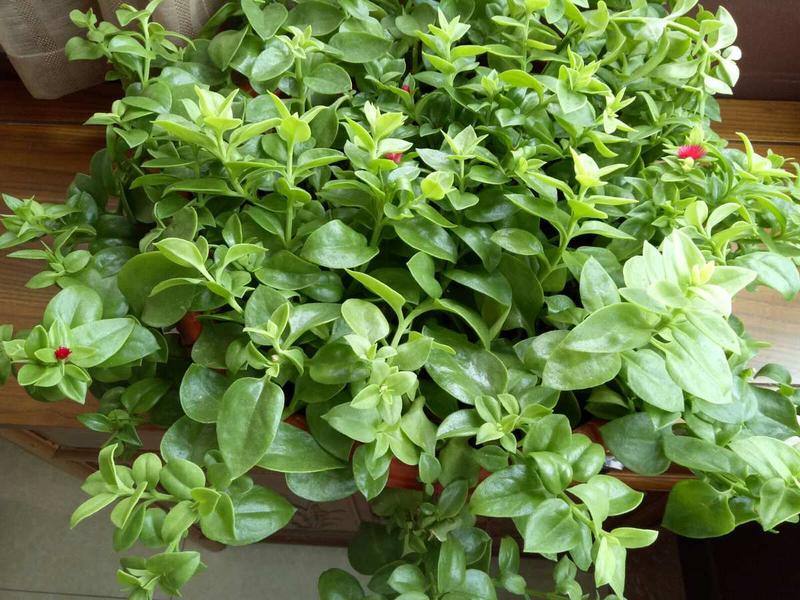
Plants containing vitamin c, folic acid, chlorophyll and multiple vitamins are resistant to oxidation, inflammation, deflammation and detoxification。
1. 4 edible parts and methods
The edible portion is a young branch or leaf, which, depending on its strength, strangles in a timely fashion or picks the leaves, sends a new branch to the armpit and continues to grow, which can be picked many times throughout the year with fresh grass, a little sour and a little bitter. The best way to eat is by cooling, with the least loss of vitamins and inorganic salt, and can also be cooked or made of soup, with the best diet in winter and spring. You can clear, mix and brush the pot。
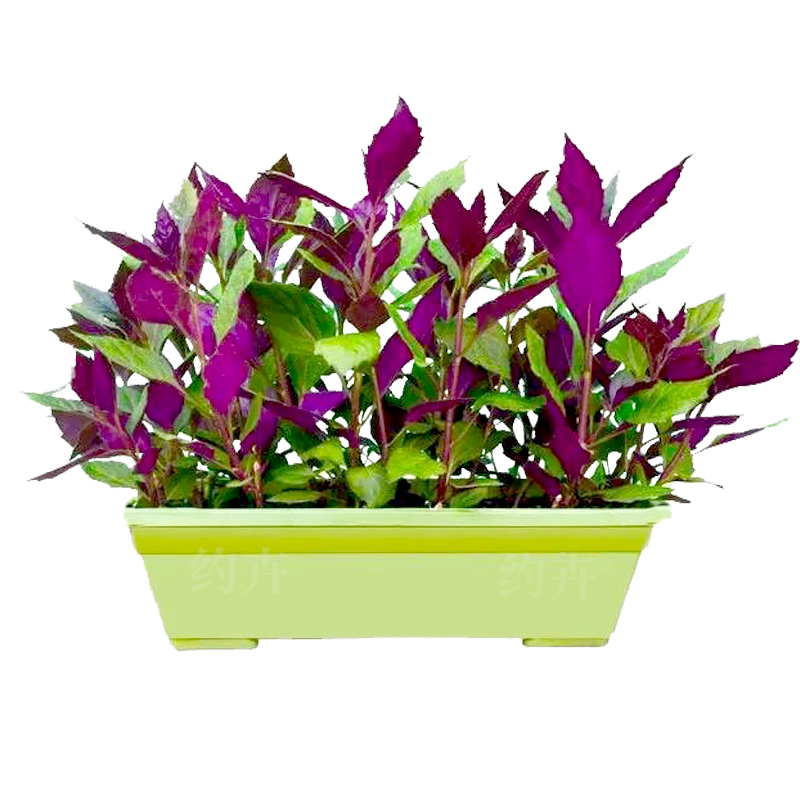
2 zebra
Magnas, known as gynura bicolor d. C., known as violet cabbage, two colours of three or seven grasses, red cabbage, and acoustic vegetables, which are home to three or seven grasses of the sanctuary。
2. 1 observation properties
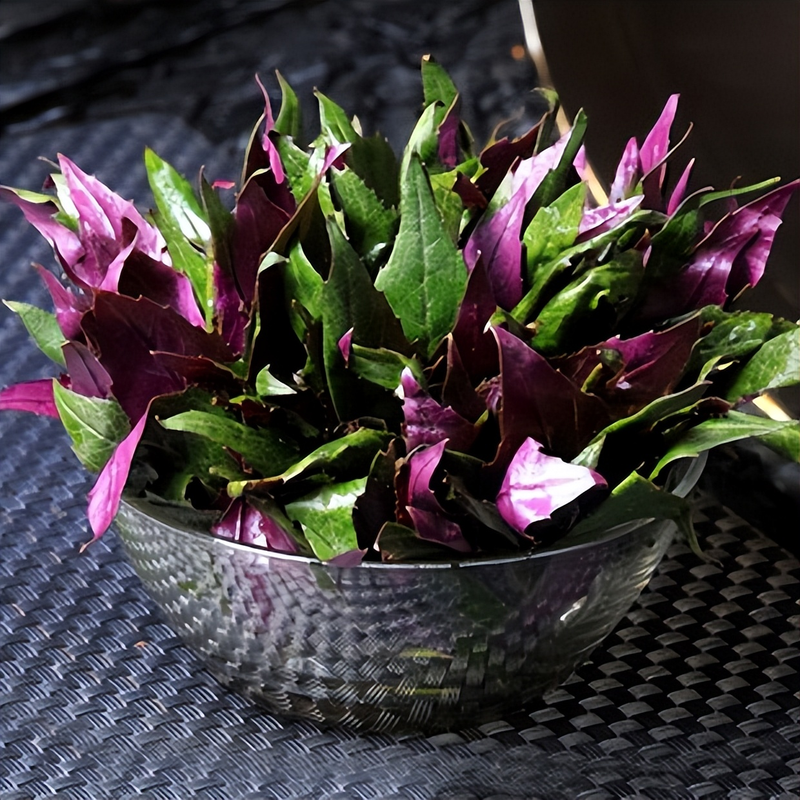
Years old, 40-80cm tall, single-leaved, leaf elliptical or egg-shaped, 15-18cm long, 3-5cm wide, thick and tender, leaves with sawn teeth, green on the side, purple on the back, blue on the stem, smooth on the surface, light on the face. Twenty-three years of flowering in autumn, with golden yellow, head-forming curvatures, peri- or armpits, with long maturities, is an excellent plant plant。
2. 2 indoor plant practices
2. 2. 1 containers and matrices
The packaging and the matrix are identical to the heartline and require a container height of 30 to 40 cm。
2. 2. 2 reproduction methods
It is generally done by adhesion, by selecting a strong branch, which is about 15 cm, with two to three knots each, three to five leaves each, rooting the bottom, slashing into the prepared soil, pouring 6 to 8 cm into the soil, planting water, covering it properly, and living around 15 d。
2. 2. 3 long-term management
Warm weather conditions, growing at a suitable temperature of 20-25°c, heat-resistant, low-temperature, shade-resistant, coarse management, high-resistance management, less stringent soil requirements, even water requirements, not enough water to water, can be seen in the dry- and wet-seed principle, and one fertilizer per month。
2. 3 the role of health
1) plasma, vitamin a, acetone-like compounds and enzyme manganese, which have a function such as active bleeding, detoxification and oedema, have better health care for children and the elderly。
2) enriched with acetone enzyme, can prolong vitamin c and reduce vascular violet。
3) improves the ability to combat parasites and viruses, with some preventive effect on tumours。
4) has the effect of treating diseases such as coughing, haemorrhaging, pain, bronchitis, pelvis and iron deficiency anaemia。
2. 4 edible parts and methods
Picking them up and eating them, 15 centimeters down from the tip is the most valuable part of nutrition. It's cool, it's fried, it's hot, it's delicious. Get fresh and fresh leaves to dry and make tea and make it for health. The color is red, it tastes a little sour, it tastes good for heat relief, digestion, spleen avenging. And you can also make wine into drugs, wine with light purple red, fragrances, with the effect of cooling the heat and keeping the lungs warm。
3 mint
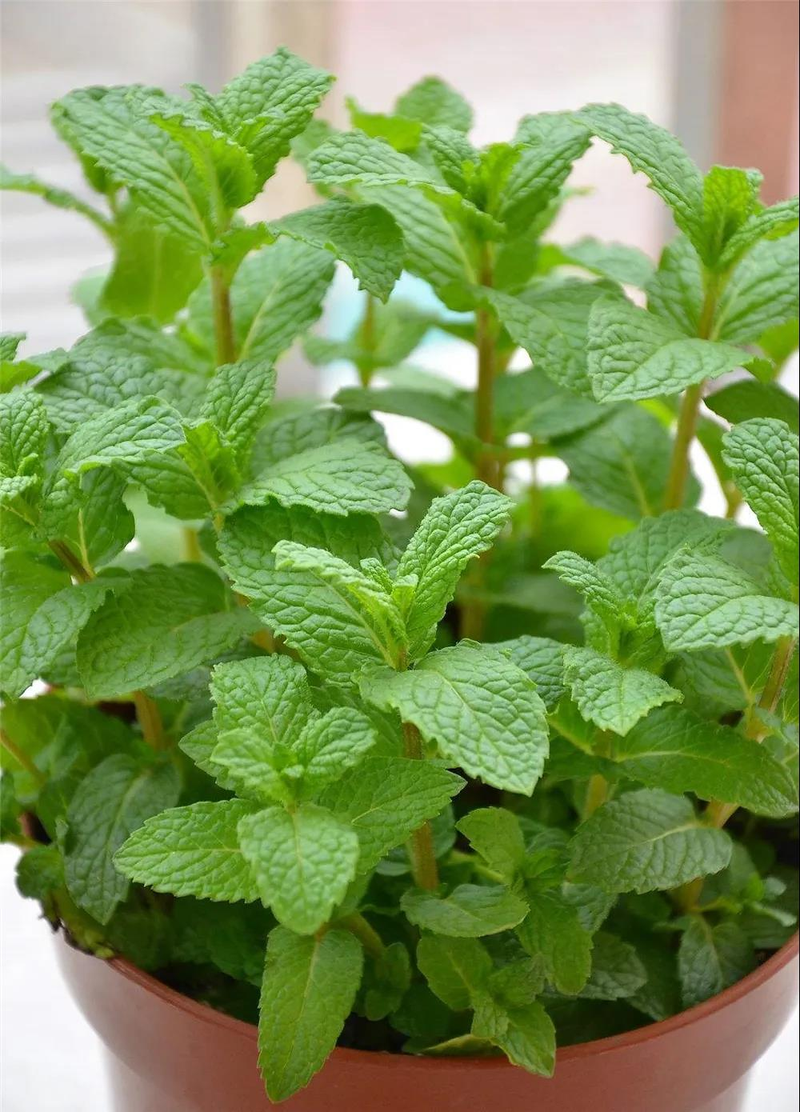
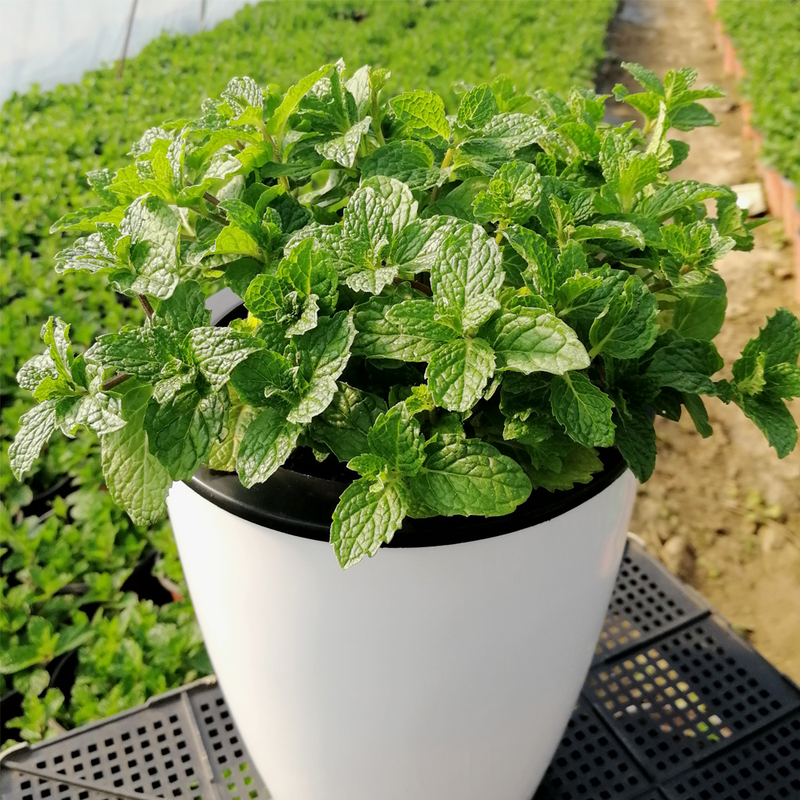
Mints, lip prostheses, roots of herbs, all fragrances and varieties, but they are adaptable and suitable for family cultivation。
3. 1 observation properties
Leaf pairs, ellipses or pins, leaf edges with sawn teeth and hair and oil glands on both sides, with cheeks and rods, small flowers, small lips, light red, blue or white, rotational life within leaves, with periods of july-august, nuts, dark purple brown。
3. 2 indoor plant practices
3. 2. 1 containers and matrices
The packaging and the matrix are identical to the heartline。
3. 2. 2 reproduction methods
The family pelvis tends to reproduce by plug-in, choosing a strong branch, cutting to about 10 cm, with two to three knots each, two leafs each, and then pouring out water, with appropriate shades, 10 to 15 d of life。
3. 2. 3 long-term management
Mints are full of sun, warm and wet environments, growing at a suitable temperature of 20-30°c, environmentally adaptable, growing on half-saloon, border and corrosive soil, and fattening, usually starting to top two to three strokes of heart over four pairs of leaf blades, and keeping 1 to 2 knots each time, with the growth of plants, changing basins in time to ensure the supply of root growth and nutrients。
3. 3 the role of health
It's all potable, it's the effect of excavating wind heat, sophing pain; it's common to have cold headaches, swollen throats, measles, etc.; it's soaked in leaves that it cools thirst and prevents oral ulcers; it extracts mint oil in mints。
3. 4 edible areas and methods
The main eating areas are tubular leaves, well-nourished tubers, leafy leaves, proteins and various vitamins and trace elements, which can be fed, mixed or cooked; they can also be used for deodorant and spices, as well as for wine, flush tea, etc。



