Enterprise channel pricing policy
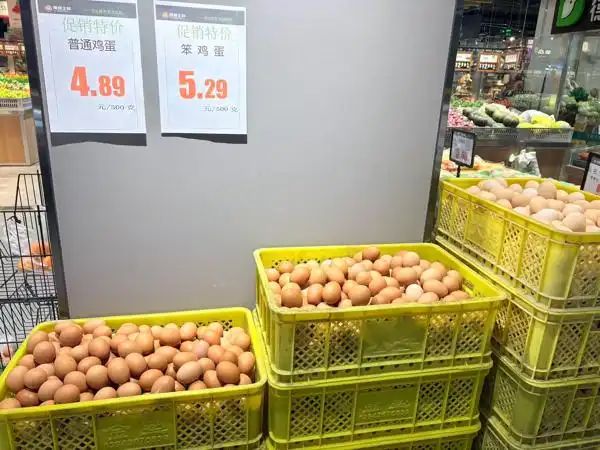
Prices are an important factor influencing the future of the market for manufacturers, distributors, customers and products, and therefore the right price policies are key to preserving the interests of the producers, mobilizing the incentives of distributors, attracting customers to buy, winning competition, developing and consolidating markets。
The price policies that enterprises usually apply are as follows:
Variable price policies. The price is determined on the basis of negotiations between the parties to the transaction. This policy is often used in situations where different brands are highly competitive and sellers have difficulty penetrating the market. In such cases, the buyer was in a favourable position and could force the seller to give a more favourable price。
Non-variable price policies. Such a price policy would leave no room for negotiation. Price differences are fixed. When large purchases are given lower prices, different prices are given to wholesalers, retailers or different locations。
Other price policies。
(l) single price policy. This is an inflexible price policy. The price is the same regardless of the quantity purchased, regardless of who bought it and regardless of where the goods were delivered。
(2) cumulative volume discount. That is, the price varies according to the quantity of a single purchase。
(3) cumulative volume discount. A discount is allowed on the total order for a given period (e. G. January-december). Many food enterprises use this method of marketing。
(4) commercial discounts. Different discounts are granted to distributors performing different functions. For example, a group of, two, three and a retailer offers different discounts for different distribution functions。
(5) harmonization of delivery prices. There are two ways to set prices in different places, one of which is to harmonize delivery prices. That is, the final price is fixed, regardless of the distance between the buyer and the seller, and the freight is entirely borne by the seller. Another is the variable delivery price。
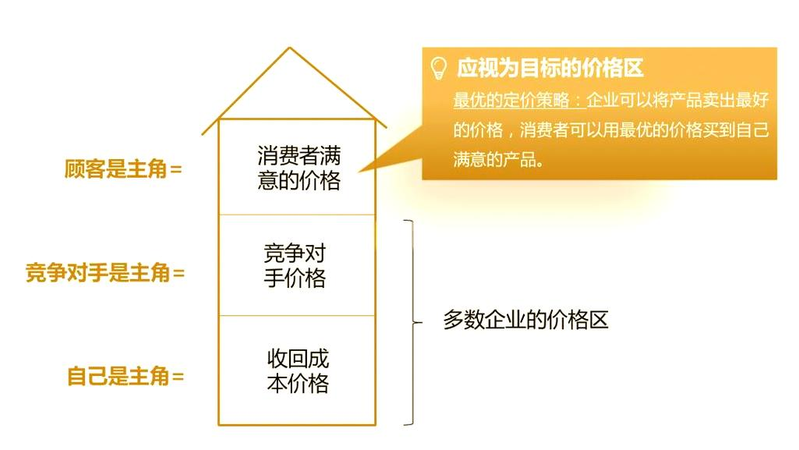
(6) variable delivery price. That is, the basic price of the product is the same, and transport costs are added to the basic price. Thus, for customers in different locations, the final price of the product depends on their proximity to the seller。
If the basic price is fixed, transport costs are added later, which is called the fob (self-inflated price). If the final price is fixed, including transportation costs, this is called cif (cif)。
There are many trade-offs between fob and cif, such as:
Base point pricing. The goods are based on the town of a base point. The city of zhengzhou is the base city, which is then delivered to the opening city, luoyang, the new township and the river of danger, with additional transport costs to the cities from the base city. If there is more than one city selected as a base point, this method is called a multi-basket pricing method
Area pricing. This means setting uniform prices in a regional market. This approach is simple, promotes price convenience in a regional market and is simple to implement。
Uniform retail prices for consumers. If the manufacturer sets the final price that the retailer has to enforce when selling the product to the consumer, and the retailer may not sell it above or below that price, it is called the flat retail price. Such prices are usually printed on price lists or packagings. The price of the product in the market is strictly controlled by the manufacturer and no price fluctuations are permitted except by the manufacturer。
The level of control of retail prices of products has several advantages:
Without a fixed retail price, distributors will not be able to take active possession of the goods, nor will their distribution be open, resulting in losses to both manufacturers and consumers。
B. The same product has multiple prices in the same market, which can damage the reputation of the product, and consumers may question whether the product sold at a lower price is real。
C. Multiple retail prices increase the likelihood of conflict among retailers — those that cannot sell their products at low prices are in dispute with retail chambers that are able to do so, and the distribution system for the final product is severely damaged。
D. If prices are set in favour of both consumers and manufacturers, a uniform retail price (i. E. A retailer may not sell below that price) would be beneficial to all。
Design of the enterprise marketing price structure
The primary task of designing a marketing price structure for enterprises is to determine differentiated price structures。
The differentiated price structure consists of two aspects:
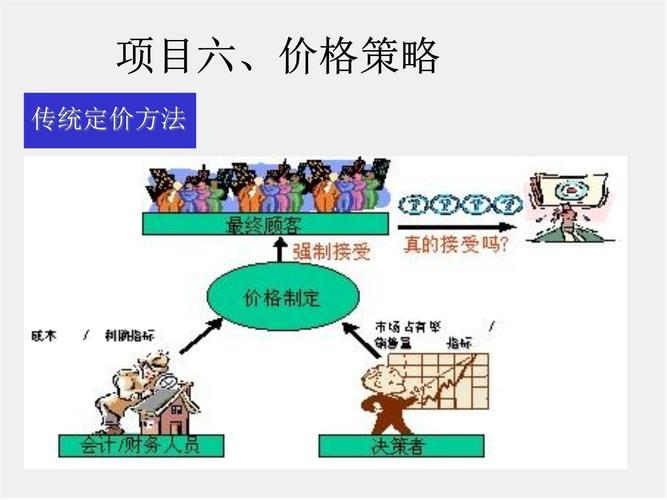
First, price discounts are determined on the basis of the class of members of the distribution channel. The enterprise must design a system of prices for the various segments of the distribution route, i. E. The relationship between the offer price, the bulk price, the double price, the triple price and the retail price. Since the price design of the chain of distribution directly affects the interests of the middlemen, thereby influencing their motivation and determining the future of the products in the market, businesses must pay attention to it。
Second, prices are determined by the importance of the customer. Clients are classified into levels a, b and c according to their current performance or potential strength, with different price discount rates. If the price discount is x per cent for a class a large customer, the discount rate is y per cent for a class b customer and the price discount is y per cent for a class c customer (small-volume recipient). The solution to the design of the marketing price system is how the profits are distributed. The concession is the difference between the offer price and the final retail price. Who gets these differences and how much is the problem to be solved by the design of the price system。
The benefits of first-tier wholesalers, which earn on price increases and returns, are assured by the fact that retailers earn on zero price differentials, while the second and third instalments are in the middle, where it is up to the group to decide that he cannot get more room for profit, and then, because of the role of consumers, the retailer obtains the product at the most favourable price, so that the interest of second- and third-tier wholesalers becomes an important aspect of price design。
Enterprises must give a margin of profit to second- and third-tier wholesalers and be able to make money from sales。
Maintenance of price stability
The breakdown of the price system in the marketing process is a problem that is currently prevalent in our enterprises. Prices, as an important factor in the marketing mix, are important tools for competition. If the price system is fragmented, it can disrupt the overall market order and affect the market competitiveness of products。
The disruption of the enterprise's price system is caused by firms and distributors. The price disruption caused by enterprises is due to:
L. Enterprises adopt different price policies in different target markets. Many enterprises adopt different price strategies in different target markets, taking into account differences in the purchasing power of consumers in different target markets, differences in levels of competition, differences in the promotion costs of enterprise inputs, transport costs, etc. Such price strategies, if appropriate, would enhance the competitiveness of products in the various target markets, but could have a significant impact on market order if used inappropriately. Some distributors may take advantage of the price differentials in these different areas to move products from low to high-priced areas for sale and “scrambling”. For example, in order to open up a market in one region, to set prices lower than in others, and to expect to enter a new market at low prices, a wine production plant has for some time found that products entering the market have turned around and re-flowed back to the original market, quickly impacting the prices of products in the original market and causing price disruption. Moreover, when multiple prices exist, distributors and consumers may claim the right to equal access to the lowest price, and it is difficult for manufacturers to argue against this requirement on strong grounds。
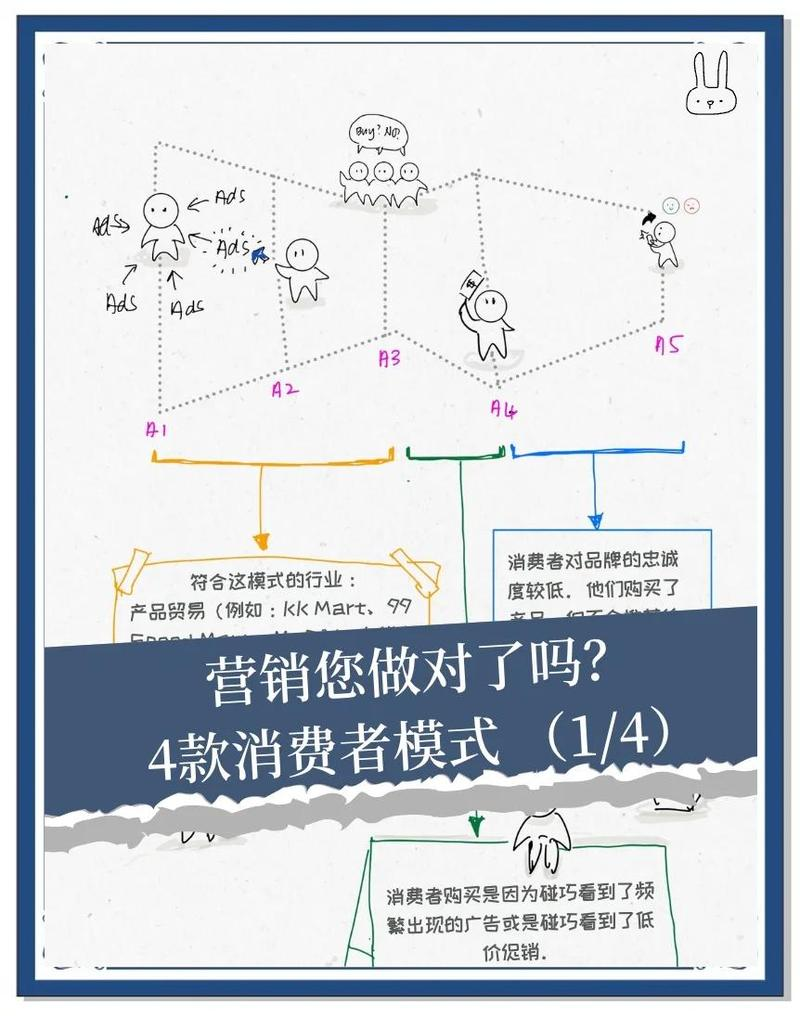
Different prices for different target markets are necessary, but one principle that must be understood is that price differences between different regions are not sufficient to cause confusion in the market price system. Price differentials should be limited to the extent that distributors cannot be allowed to take advantage of these price differentials in markets in different regions。
2. The price policy of enterprises vis-à-vis different distributors is fragmented. A sound price system should include different pricing policies for different distributors — such as agents, wholesalers, retailers — so that each distributor is willing to operate the products of the enterprise. Differential treatment of any distributor may give rise to dissatisfaction with other distributors. An electric firm, the commercial establishment in which the company is located, is reluctant to distribute its products because it often sells goods to the final consumer at wholesale or even out-of-pocket prices, making the prices of the distributor uncompetitive and eventually having to abandon the product. Another example is the fact that a company often sells products to its own employees at preferential prices, resulting in a large number of products flowing to the market, which seriously affects the interests of distributors and leads to their reluctance to resell their products。
3. Business incentives for distributors. Many enterprises are now not using profits to mobilize the incentives of distributors, but rather to offer them heavy awards and end-of-year returns. The aim of the manufacturers is to encourage distributors to sell more of their products. Since the amount of oscillation and repatriation is based on the volume of sales, the distributors are able to sell more products for the greater good and reward. To this end, they sell their products at low prices. Even handing out a portion of the rewards and year-end returns to downstream dealers. So you let me let you make sure that the result is a breakdown of the price system。
The price disruption caused by distributors was caused by:
L. The distributor uses the product of the plant as a courier. Experienced distributors do not make money from each product (one) but from each batch (quantity), so he divides the product into two categories: one for money and the other for walking. To attract wholesalers to other products, either by setting low prices for some products or by not making money。
2. In another case, firms have several wholesalers in a given market, and they are reluctant to sell the product and end up in a market in which prices are reduced in order to compete with their customers。
3. Customer maintenance. A number of distributors have reduced prices to no profit, even to their customers, in order to maintain their customers and to attract them to continue to import from them。
In order for enterprises to stabilize their price systems and ensure that prices are not volatile, they must:
L. Businesses must not act quickly and in the interest of the present, but must put an end to all ills. In order to ensure that any part of the network is “a single price”, the south sea oil industry (chong bay) ltd., which produces oil for the consumption of “gold dragonfish”, has over 400 primary distributors throughout the country. The company operates a national uniform offer system, far from which the company subsidizes freight costs and prevents the products from moving across the region. In order to ensure that the dealer's interests are not compromised, companies impose higher prices on non-distributor customers to obtain goods from the company than on a local basis。
2. Policy development. When an enterprise enters into a contract with a distributor, it must specify a price stabilization clause. Non-performance of price obligations is disqualified from distribution。
3. Oversight. In order to keep abreast of the price situation, price violations by distributors must be dealt with immediately. The retail price of asian beers (suzhou) ltd. Beer is 2. 5 dollars per bottle, requiring distributors not to reduce a penny and disallow whoever violates the rules. To that end, they have recruited 45 “price inspectors” among laid-off workers, whose daily task is to move inside the store and monitor dealers' compliance with company price policies. So, the whole city store price is the same。