


The lunar farm was conceived by 01 scientists
Science fiction
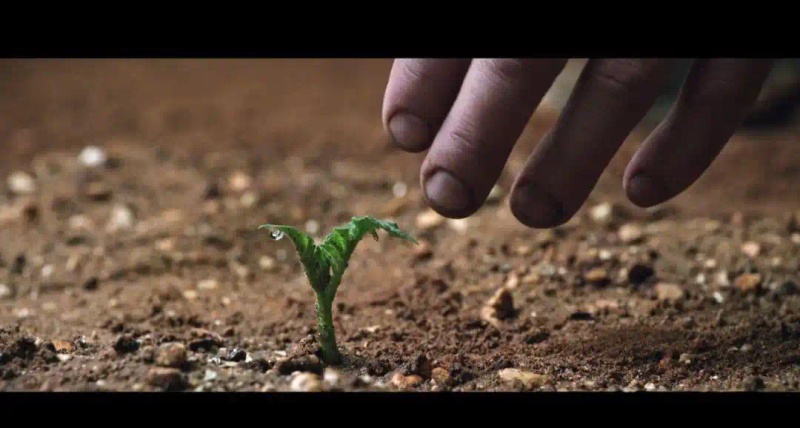
In the science-fiction film mars rescue, mark waterney planted potatoes on mars and successfully harvested them, demonstrating his tenacity for survival on that desolate planet, a scene that was deeply engraved in the minds of the audience. Today, scientists are actively exploring the moon and have the bold idea of building farms and growing crops on it. While challenging, this vision has evolved from science fiction to reality with the rapid development of space technology. The lunar cultivation has changed from science fiction to potential。
Challenges and coping strategies
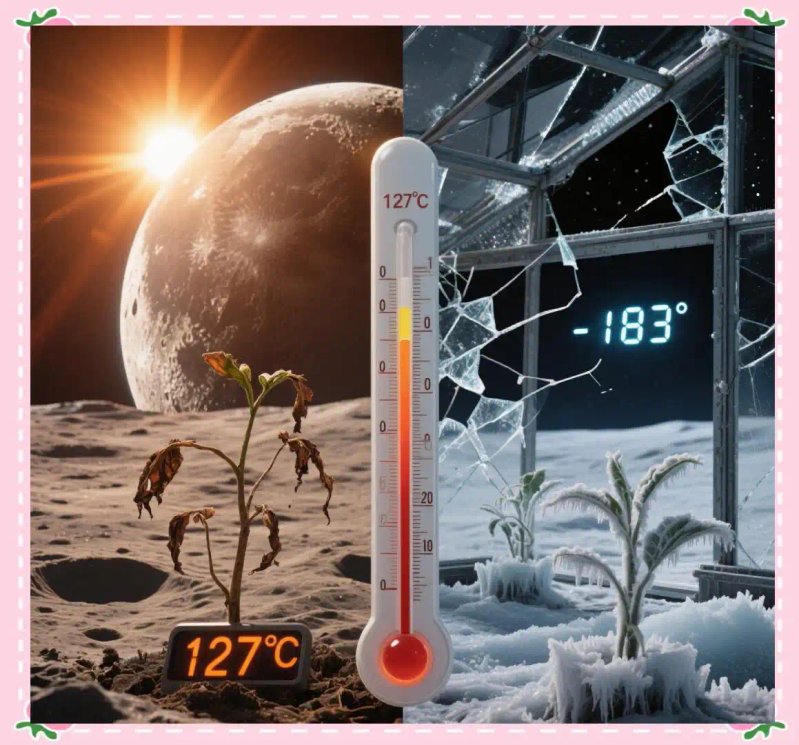
However, the moon is not easy to grow and faces many challenges. First, the temperature of the moon is very poor, radiation and soil conditions, and the surface of the moon is very different from day and night, from a high of 127°c to a sharp drop to 183°c, which is extremely unfavourable for plant growth. Secondly, the lack of atmospheric protection of the moon and the unstoppable intrusion of cosmic rays and solar winds can damage the dna of plant cells, thereby affecting their normal growth and development. Moreover, the soil of the moon is very different from the soil of the earth, where there is a shortage of key nutrients such as nitrogen, phosphorus and potassium, which are required for plant growth, and where the particles are small and hard, to the detriment of deep roots in plant roots. Faced with these difficulties, scientists have shown infinity of creativity and have come up with various coping strategies。
Lunar farm technology and experiments
Solve temperature differentials and radiation
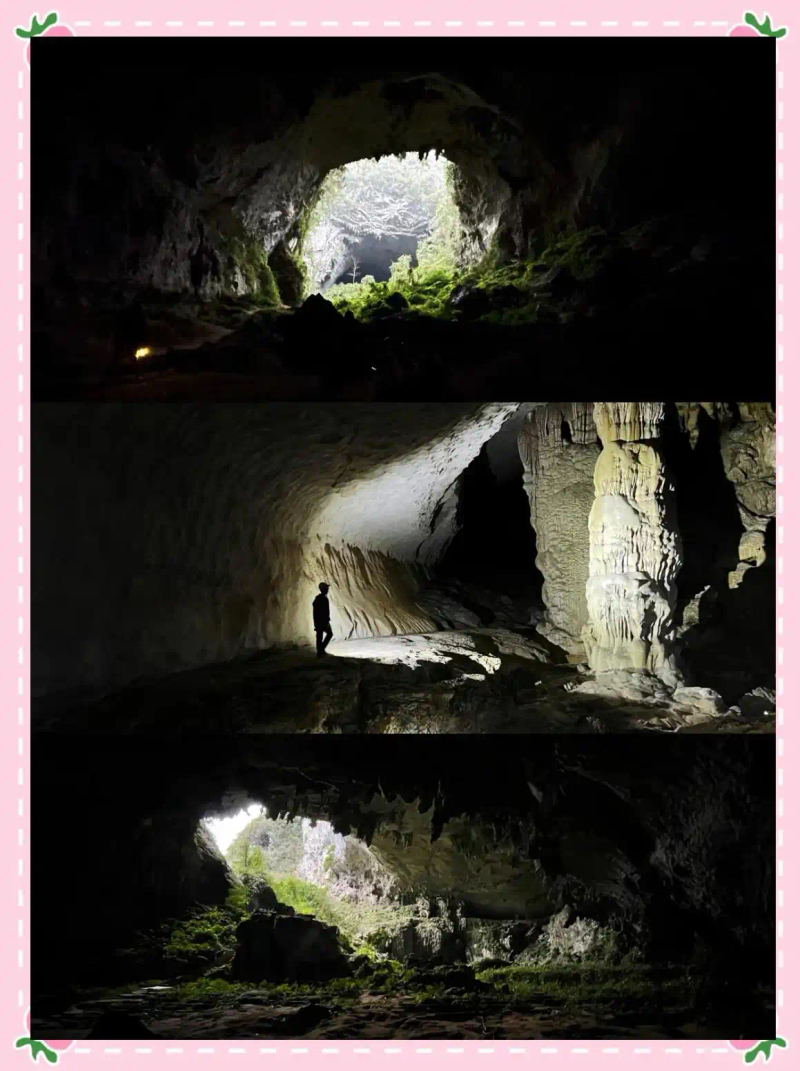
To overcome the challenges posed by the extreme temperature of the moon, scientists have conceived the idea of closed moon farms. Such farms are similar to greenhouses on earth and use high-tech temperature control equipment to ensure that the internal environment is suitable for plant growth. In addition, they plan to build thick walls using the soil of the moon or other materials, not only to protect against cosmic rays, but also to act as a thermostat. Using closed designs, thick walls are used to protect against cosmic radiation and to ensure that internal temperatures are suitable for plant growth。
Soil improvement and water resource use
With regard to the characteristics of the soil of the moon, scientists have proposed different improvements. One option is the organic fertilizer brought on to earth by mixing in the moon to supplement the nutrients required for plant growth. Another option is the use of soilless farming techniques, such as hydroponics and gas. It is proposed that the moon be improved using organic fertilizers and soilless cultivation methods, which allow the roots of plants to be immersed directly in a nutrient-rich aqueous solution, and that the aerobics spray directly on the roots of plants to provide “nutrient feeding”. These technologies enable plants to grow healthy without fertile soil。
Lack of water resources is another issue. Scientists plan to exploit the water ice in the polar regions of the moon and to provide plants with the water they need to irrigate. At the same time, using hydrogen and oxygen on the moon to synthesize water through chemical reactions is an extremely promising option。
Experimental exploration and breakthrough
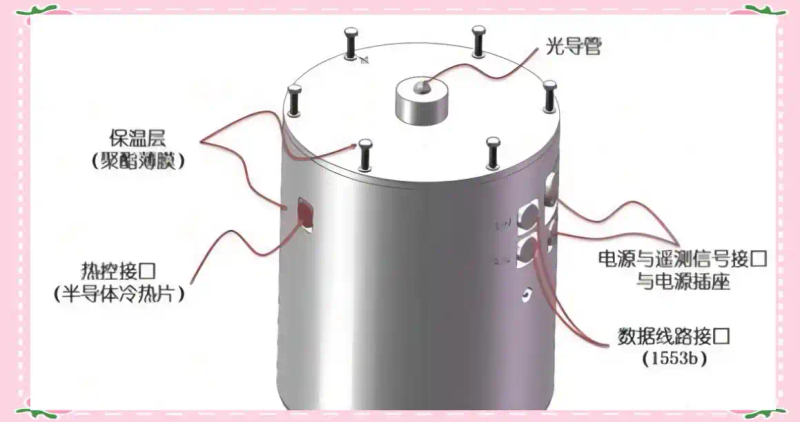
Experimental exploration for dawn. The successful fertilizing cotton of the moon micro-ecology project marked a landmark breakthrough in the cultivation of the moon. The project was launched on the moon with the zenit iv probe, where cotton seeds were successfully sprouts on the moon. This major breakthrough will no doubt bring hope to the future building of the moon farm。
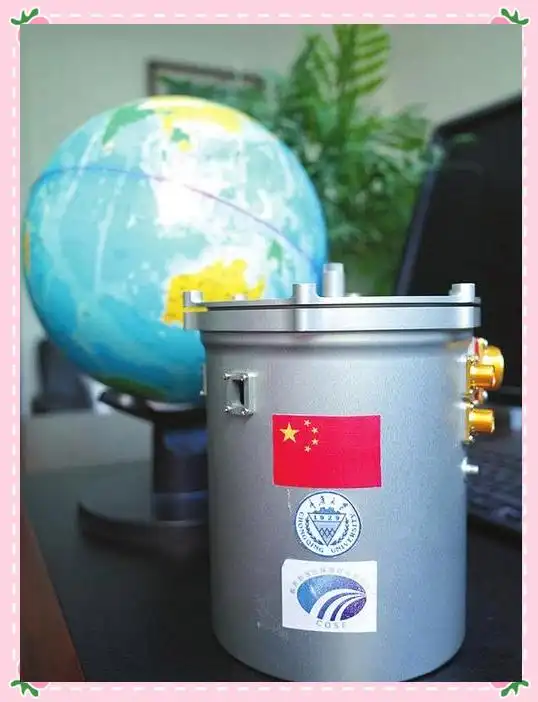
Since its launch in 2015, the project has brought together multidisciplinary and cross-cutting research and development teams to create the “momental micro-ecology”. They have been able to observe on the moon the growth of plant seeds in low-gravity, highly radioactive environments, and the growth and flowering of seedlings。
Future prospects and engagement
The meaning of the moon farm
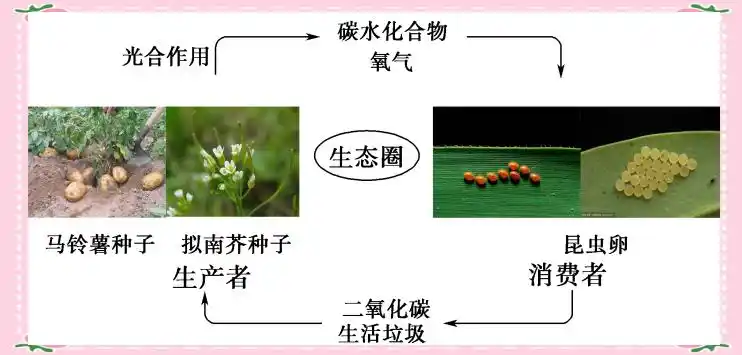
Looking ahead, the completion of the moon farm will be far-reaching. Lunar farms become self-sufficient, reduce transport costs and explore cumulative agricultural experience for deep space. It will achieve food self-sufficiency at the moon base, significantly reduce the cost and difficulty of transporting goods from the earth and provide a strong support for a long-term human presence on the moon. At the same time, the lunar farm could serve as an “outpost” for human exploration of more distant planets and build valuable experience in agricultural production in the space environment。
Joining moon farm design
If you want to know more about the science behind the lunar farm and to design a unique lunar farm yourself, join our lunar farm design camp! Experience future space agriculture through participation in design camps, exploring scientific charisma. Here, you will have the opportunity to interact with the best scientists, to experience simulations and to turn your wonders into reality. Let's start this unique space agriculture exploration tour together and look forward to your joining us



