Bridges, as a “lifeline” of transport infrastructure, are chronically burdened by vehicle loads and physical erosion and prone to diseases such as cracks. If the cracks are not repaired in a timely manner, they may develop into structural diseases that seriously threaten access security. Today's scientific work programme for the detailed dismantling of bridges and the consolidation of cracks, covering all elements of the process that were detected in the early stages of acceptance
Pre-test assessment: precise identification of the “causes” of cracks
The first step in the crack repair of the bridge is a comprehensive “medical examination”, which is combined with manual screening through specialized instruments:
1. Appearance inspection: observation of the position, direction, length of cracks with the eye of the flesh, with a focus marking of a visible crack with a width of >0. 2 mm (such cracks require priority treatment)
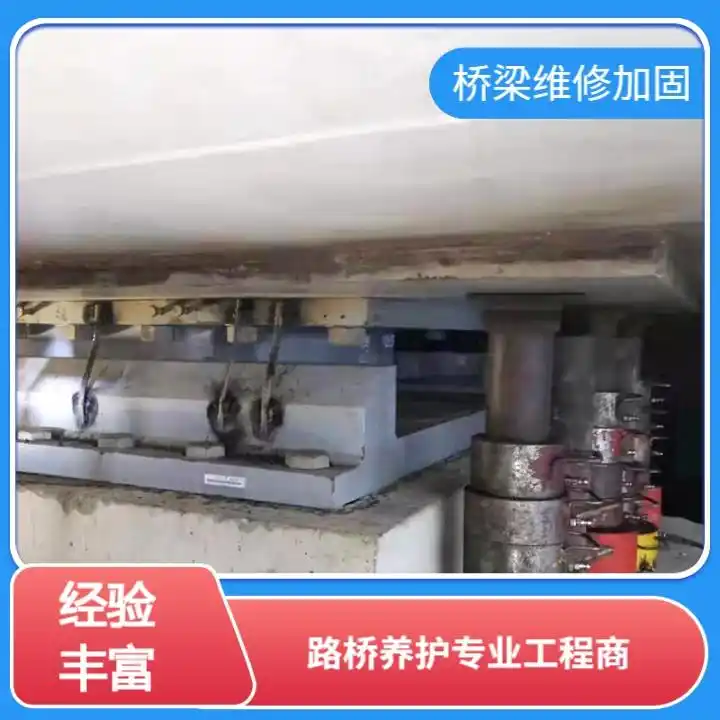
2. Instrumentary detection: use of crack width meters, ultrasound detectors, etc., to determine the depth of the crack (e. G., one third of the thickness of the protective layer needs to be focused) and, if necessary, to screen the internal hole with an endoscope
3. Data recording: establishment of a crack account to record the distribution of cracks (e. G., in the vicinity of a mid-level, substation), width, depth and degree of carbonization of the surrounding concrete to inform the design of the successor programme。
(according to the technical guidelines for the conservation of roads and bridges, 85 per cent of the bridges are surface cracks, which are recommended for regular quarterly testing)
Programme design and material selection: “the core of treatment”
Based on the results of the tests, differentiated repair programmes are developed, with common programmes divided into three categories:
1. Surface closure: a microfissile of <0. 2 mm wide, with epoxy resin sludge or cement base to penetrate the crystallized material to close the surface and prevent water intrusion
Pressure-plugging: for structural cracks with a width of 0. 2-0. 5 mm, fill the gap with epoxy resin or cement-based slurry material that is injected inside the crack through high pressure pumps
3. Structural reinforcement: if the crack depth exceeds the protective layer or is accompanied by a rusty steel, the bridge capacity shall be restored by combining processes such as carbon fibre sheet pasting, steel plate consolidation, etc。
Material selection principles: priority is given to materials matching the original concrete strength level (e. G. C30/c40), durability meets the use requirement for more than 50 years, and matching tests are required for construction (e. G. Control of the ratio of epoxy resin to solidant at 10:1)。
Construction process specifications: standardized operations to avoid hazards
Construction is to be carried out in strict compliance with the principles of “testing first, construction first, protection first and repair later”, with the following key elements:
1. Construction preparation: installation of security warning areas (e. G., a perimeter of double the length of the crack), use of blockage to isolate the construction area and organization of personnel to direct traffic
Fragmentation treatment: removal of ash and oil from the perimeter of the crack with a wire and drying of the blower, opening of the “v” tank along the crack (1-2 cm deep and 5-10 mm wide), ensuring that the patching material is closely integrated with the original concrete
3. Patching operations: surface sealing is done by plastering, pressure testing is performed prior to slurry (e. G., 15 minutes without leakage under 2. 5 mpa pressure), carbon fibre sheet pasting is required to be coated with bottom glue, then layered, and air bubbles are removed by roller pressure at each level of pasting
4. Conservation management: wet maintenance (e. G., covering of earth cloths) after repair has been completed, seven days of maintenance at constant temperatures, and winter measures (e. G., heating of electric thermal blankets) to avoid the increase in the intensity of the impact of sudden temperature reductions。
Iv. Quality acceptance standards: speaking with data to ensure safe compliance
Once the patch is completed, it is subject to a “triple inspection” inspection:
1. Appearance acceptance: the surface is flattened after the cracks have been repaired, empty drums have been removed and the width is 0. 1 mm (with the use of a crack width device for review)
2. Intensity acceptance: core detection to compensate for concrete strength in the region, more than 95 per cent of the original design strength
3. Endurance acceptance: through 20 freezing cycle tests (5% weight loss), no crack extension or material stripping。
Re-engineering is required for non-acceptance, which is strictly prohibited for “diseased release”, and re-routing the acceptance process。
Recommendations for long-term maintenance: from “repair” to “prevention”
Bridging is not “for all” and long-lasting management mechanisms need to be put in place:
1. Regular inspections: monthly review of the width of the patches and increased frequency of inspections during the rainy season
2. Environmental monitoring: to focus attention on alkalinity of peri-soil and changes in groundwater table levels, avoiding the recurrence of cracks due to ground-based deposition
3. Technology upgrades: promotion of smart monitoring systems (e. G. Fibre-optic sensor crack monitoring) to provide real-time warning of crack expansion trends。
(case of maintenance of a municipal bridge: 5 years of continuous monitoring without recurrence following pressure-plugging repair in 2019, with maintenance costs of only 1/3 for reconstruction)
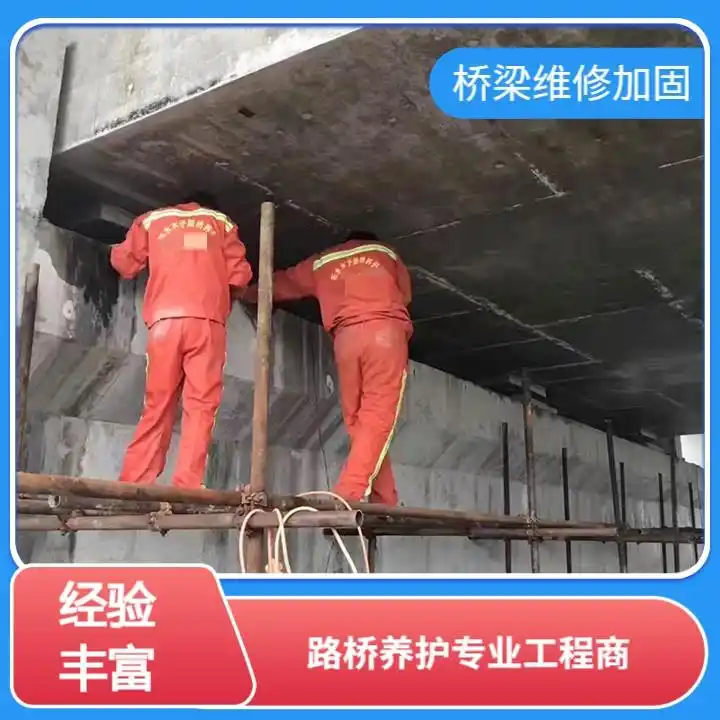
The safety of bridges is a matter of livelihood, and crack repair needs to be centred on scientific programmes, with every link strictly controlled. It is hoped that the above elements will inform bridge maintenance workers and work together to safeguard the safety and accessibility of the “traffic lifeline”! (a map of bridge maintenance)