February 17th, we had a second-hand room in beijing
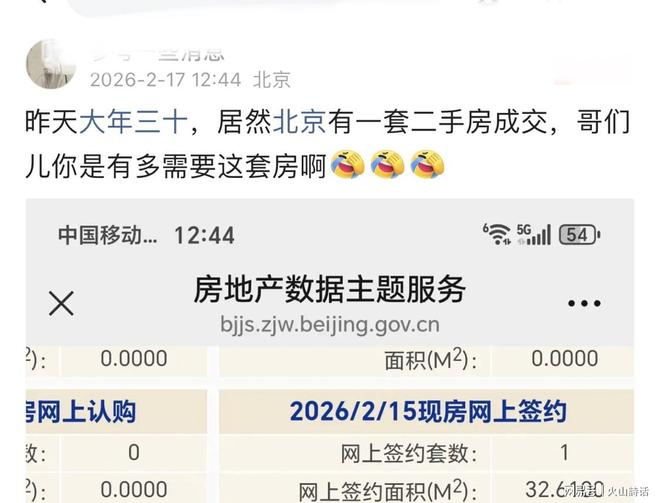
Based on the information provided by the netizens, this is a data submission. A 99. 55 house was officially closed online on 16 february。
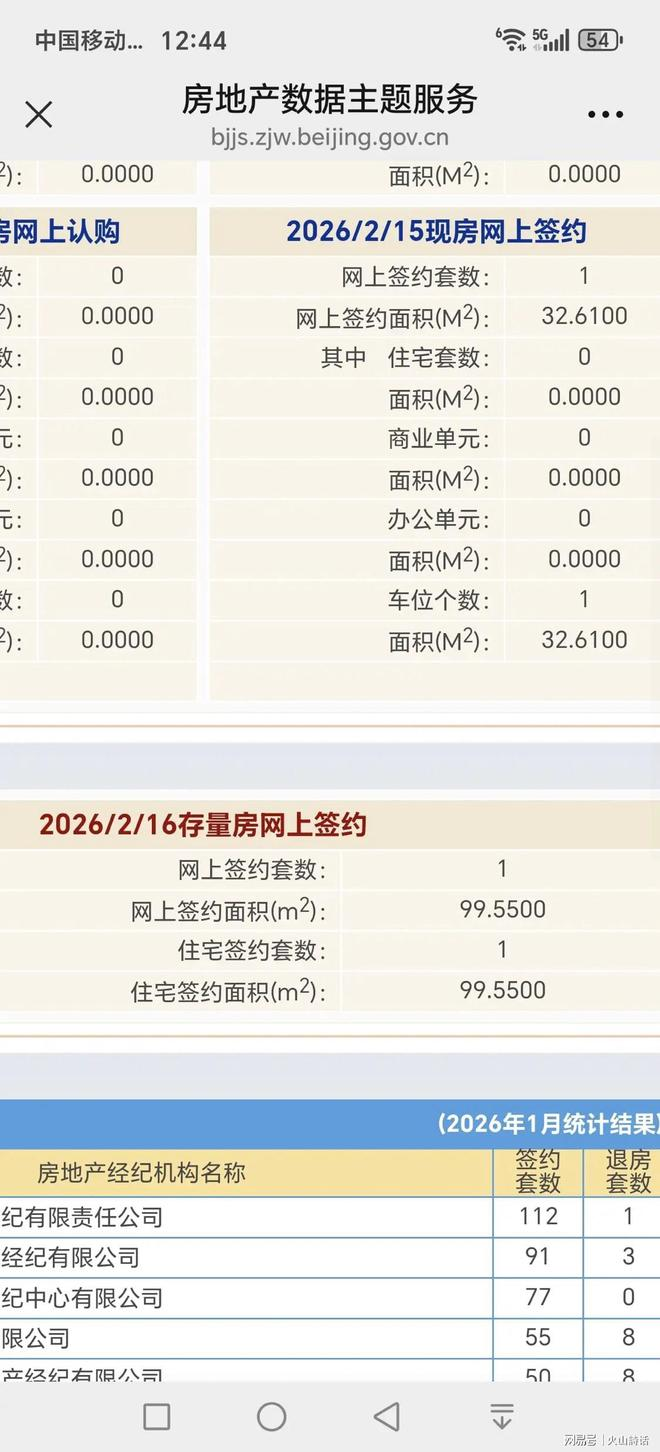
In response, there were comments from netizens, and the bottom line was the lowest。
If we don't double it again! Maybe it's urgent, before the year, to believe that the month will not be easy to buy。

In the year 2026, the city was marked by a four-year adjustment period. From the resonance of data since its inception to the triple power of policies, finance and markets, the once-defunct market climate in the buildings was completely broken, and “full warming” was no longer the marketing boom of intermediaries but a solid market trend。
According to media reports, the off season has not been bad, and the market for second-hand houses in several first- and second-line cities across the country has recently warmed up, and the market for buildings in the year of the following year is on track。
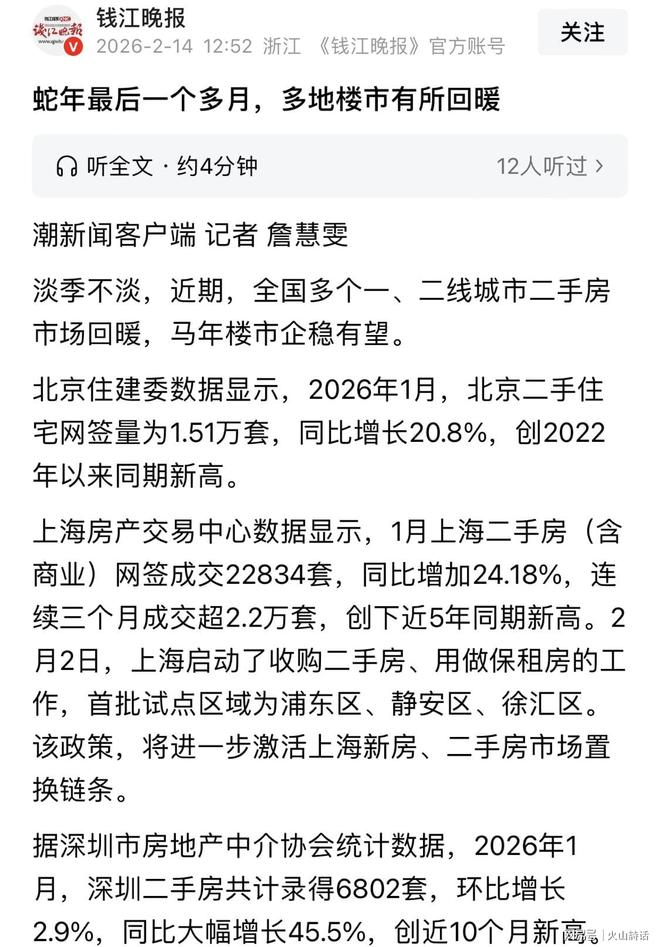
According to the beijing housing commission, in january 2026 the number of second-hand residential nets in beijing was 151,000, an increase of 20. 8 per cent over the same period, up from the same period since 2022。
Thus, for starters and home-buyers, the wind is behind the sudden transformation of the wind, which is a rare window of dividends; and for those who are still watching, it is important to be aware that this round of warming is not a short-term pulse rebound, and that, after missing the moment, it may really have to wait for another full building-market cycle。
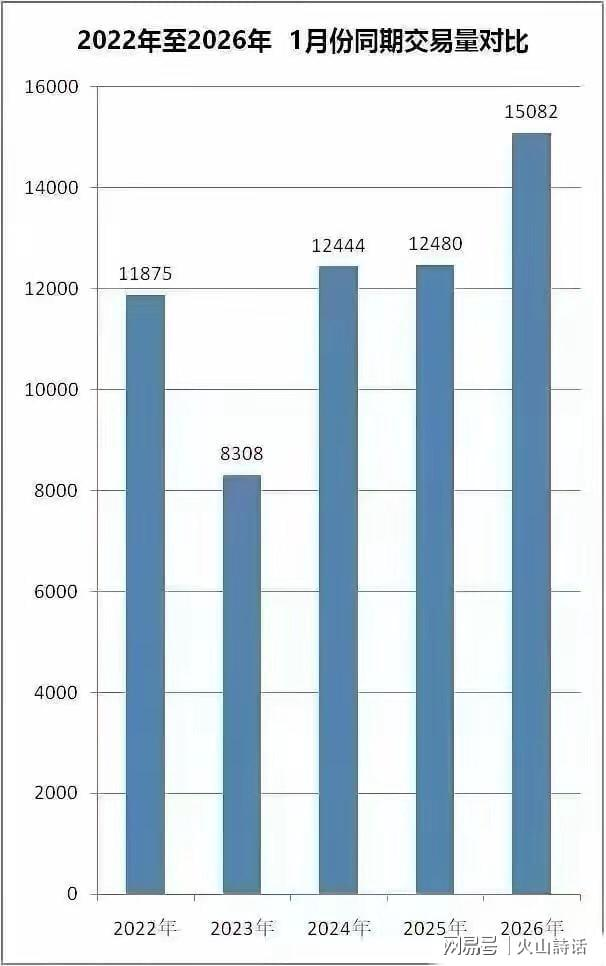
We interpret policy effects, market data, regional fragmentation, etc.:
In beijing in december 2025, a new city policy was introduced to significantly reduce the cost of home acquisition by lowering the purchase threshold (a reduction in the length of non-king social security coverage, additional eligibility for purchase by families with many children), easing of credit (a decrease in the interest rate on commercial loans to 3. 05 per cent, a reduction in the rate of down payment of the provident fund) and tax breaks (a waiver of vat for two years). With the implementation of the new deal, the average daily netting of new houses has increased by 44. 6 per cent and the average number of second-hand houses has increased by over 500 a day, with a marked increase in market activity。
- market for new houses: in january 2026, 2413 new homes were sold, representing a 29 per cent decrease in ring-to-ring ratio, but at the end of the month the number of internet-signing units (1. 26-2. 1) reached 597, representing an increase of 9. 14 per cent. Quality projects in the core areas (e. G., starry, halo) have a shorter evaporation cycle, with partial improvements of more than 10 rounded transactions。
- second-hand market: 15082 on-line in january, which has stabilized at more than 14,000 units for three months in a row, demand for small household and school buildings in the core districts is high, owners ' listings are reduced by 8,000 and bargaining space is narrow。
Of these, the core areas (west city, haydam, sunshine): the price of new houses has risen steadily (e. G., the average price of new houses at haidam was 9,800,000 yuan/square, with a slight increase of 0. 01 per cent), the price of second-hand houses has fallen narrowly and demand for improvements has dominated. On the outskirts of the country (hiyayama, huairou, etc.): the stock of new houses is high, prices are under constant pressure (such as a 2. 48 per cent decline in the price of new houses in the mountains) and non-kyoks who depend on the policy for their release have just been supported。
In sum, the recovery of the beijing building was the result of the release of the policy bottom and demand, but fragmentation remained the dominant tone. For home buyers, 2026 is the time for “opportunity-based entry”, not for speculative games。
A rational analysis of the sudden change in the direction of the ma'am city marked a unilateral departure from china's real estate market and entered a new phase of “separation and rational warming”. This round of warming, rather than short-term speculation of false prosperity, is a cyclical window of triple factors of policy bottom-up, low prices, and industrial transformation that is undoubtedly a rare opportunity for people with real housing needs。
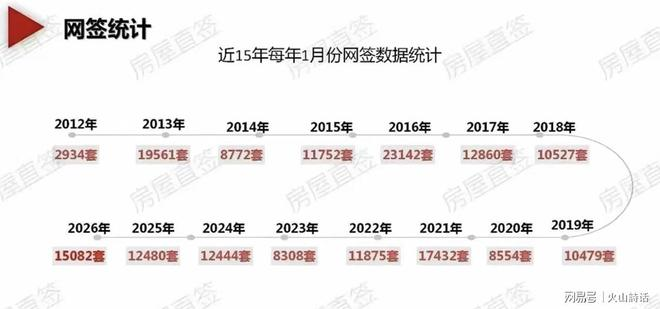
The cycle of a building is never too popular, and a full-fledged market cycle usually lasts for five to eight years, missing this round of policy dividends and low prices and entering the market at such a low cost, perhaps waiting for another cycle。
Of course, recovery does not mean a general increase, and dividends do not mean risk-free. Only by recognizing trends, precision choices and returning to the nature of “homelessness” can the dividends of one's own identity be preserved in the new cycle of the city's economy and the dual goal of preserving the needs for housing and assets。
What do you think about that