In recent years, large-scale counties have been developing high-oil acid production, creating specialty industrial clusters of concentrated and large-scale production, broadening the channels of income generation for the population, generating a sustained increase in the number of people living in poverty, and laying a solid foundation for building on the gains of poverty alleviation and overall rural renewal。
This year, the prefectures set up a programme to promote the production of flowers, which focuses on high-quality agricultural development, expansion of the area under cultivation, improvement of the level of monoculture, improvement of the quality of the product, extension of the chain of production, promotion of the standardization, high-end, in-depth and greening of peanuts, and focused on a new pattern for the production of flowers, “standardized production, in-depth processing, cluster development, international purchase and sale”, a small grain of peanuts, which is written on this fertile land. Add cultivation income
In 2019, large counties were included by the state in the second national regional good breeding base, the only national regional good breeding base in hebei province. As the country's largest high-oil-acid peanut crop-breeding enterprise, the largest county cropping company has an area of more than 80,000 acres and 24 million kilograms. The area covered by the groundnut crop is more than 20,000 acres and 6 million kilograms of groundnut. The cultivation of “good seeds” for “agricultural cores” and the breeding of good peanut seeds provide a solid basis for the development of high-oil acid production in well-known counties。
“the cultivation of high-oil-acid peanuts has significantly increased our income compared to the usual peanuts previously planted.” zhao zhao zhao zhao, a leading district in kim beach town, said. Last year, zhao was elected to grow 12 acres of high-oil-acid peanuts, each producing 400 kg and selling at a price of $7. 00/kg, which is almost the same as the usual peanuts planted the previous year, but the sale price was 0. 8 yuan higher than the previous year's 6. 2 yuan/kg, 320 yuan for acre and 3840 yuan for households。
In the past year, 250,000 acres of high-oilly acid peanuts were planted in the towns of sun gan shop in the eastern part of the county, zhang jiang commune, zhang chang head country, north peak town, golden beach town, west fau collectivité town, zhuong township and temple town. Cultivated varieties include, inter alia, flowers 915, flowers 19, flowers 21, farmers 20 and flowers 30. Almost 50,000 households are growing high-oil-acid peanut farmers throughout the county, of which 3211 are poor and 389 are monitored. The high-oil-acid peanut acre produced approximately 350 kg at a unit cost of 7. 0 yuan/kg and the acre produced at $2450. The cost per acre is approximately $940, with a net income of $1510, representing an increase of more than $500 per acre compared to the food crop, and an increase of some $280 per acre compared to the cultivation of ordinary peanut acres. Industrial development
In the area of high-oil-acid peanut cultivation, farming techniques have been integrated into local blocks and links. The county has a long-standing cooperative relationship with research institutes or institutions of higher learning such as the china agricultural institute for oil crops, the institute of oil crops of the academy of agroforestry and forestry sciences of hebei province and the hebei university of agriculture, and specialists come to da nam on several occasions every year to provide technical guidance; it also has a pilot base with the hebei college of technology teachers in sungan, the county。
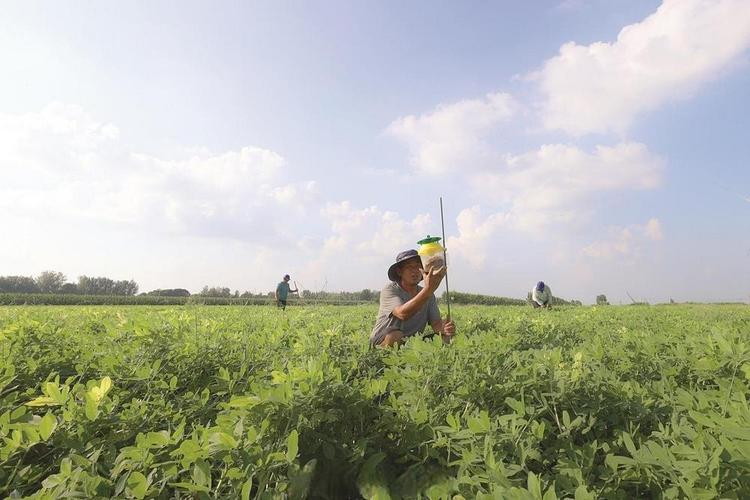
Technical difficulties encountered in the production of farmers have been addressed through the provision of technical support to peanut growers in large districts, in particular in the areas of high-oil-acid peanut seeding, seeding, fertilization, pest control and control, in cooperation with a number of institutions, and in order to further increase the level of cultivation among farmers。
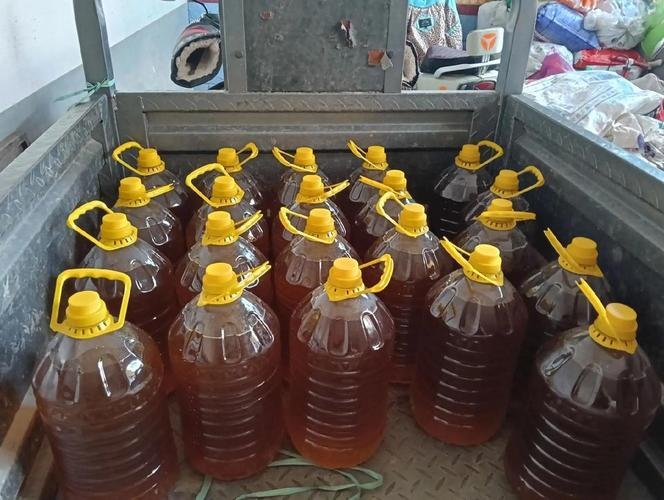
In order to extend the industrial chain and increase the value added of products, the prefectures have vigorously developed the high-oil-acid peanut processing industry. There are currently five high-oil-acid peanut-scale processing enterprises operating in the county, with a total of more than 10 varieties of peanut oil, peanut beverages, peanut butter and leisure food. Among them, the municipality's company, fukuo vegetable oil limited, which produces 35,000 tons of peanut oil annually, has been rated as a leading pro-poor company in hebei province, a leading industrializing company in zhuang city, and has received designations such as hebei province's peasant oil, china's famous brand。
Three of the existing peanut (m) trading enterprises in the grand county of li, nanjo, with an annual turnover of 120,000 tons and a turnover of 700 million yuan, are the largest peanut market in the north, which sells to the country's major cities, and is the main source of raw materials for large oil and grease enterprises, such as luhua group and carry group. At the same time, the development of the high-oil-acid peanut industry has led to the development of agricultural assets such as seeds, fertilizers and pesticides, as well as groundnut processing, logistics and the creation of more entrepreneurial and employment opportunities for the population emerging from poverty, with multiple channels of revenue generation. Rural belt farming mechanism
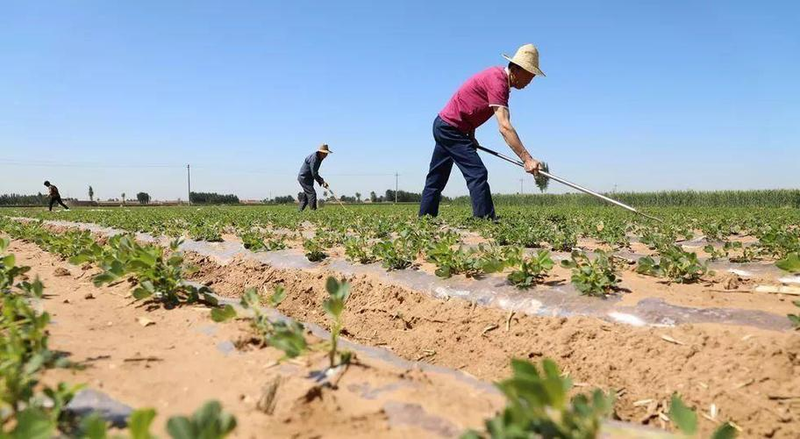
From peanut cultivation to harvesting, processing and so forth, a large labour force is required to provide jobs for the poor and the target of monitoring in the large districts. To date, high-oil-acid peanut processing enterprises, such as the grand-name county xinjiang crops company ltd., the grand-name county wein agriculture industry company ltd., the city of xiu fong plant oil limited, and the grand-name county kitchen spring foods company ltd., have led to stable employment for more than 500 people, 125 of whom are out of poverty and 18 of whom are monitored, increasing household income by more than $30,000 per year。
At the same time as generating employment, the large district has been actively pursuing a policy of subsidies for high-oil-acid peanuts. In the last year, subsidies covered 84,000 acres, 25 kg per acre, $6. 6 per acre, $165 per acre, 2. 1 million kg per acre, 1. 86 million per acre, or 3,233. 4 million for the subsidised species (which is linked to the subsidised rural renewal grant), and covered 195 villages in eight townships, including sungang shop and banco towns, which subsidized 15,208 farmers, of which 1884 were out of poverty, 95 were monitored and 13229 were averaged, resulting in a reduction in household costs of $1,196 through the implementation of the good seed subsidy policy。
In addition, the prefectures have set up county-level consumer support associations, have incorporated all of the high-oil-acid peanut processing enterprises into their membership, and have provided a whole chain of marketing, circulation, etc. Services to the poor and to the target of monitoring. The sale of high-oil-acid peanut-series products online and offline, as well as the accurate interface between electricians, shops and high-oil-acid peanut-specific industries, is facilitated by the country's 832 platforms, “one-size-fits-all”, “one-size-fits-all”, “show-all”, “show-all-goods-one”, “show-one-size-of-the-life” marketing platforms. In the past year, consumer-aided production of high-oil-acid peanut series was sold at more than $40 million, boosting the income of 1080 poor people。