You want to raise a grass cask and you're afraid to roll over? In fact, when newers understand the difference between “negative grass and positive grass” and are equipped with lights, co2 and fertilizers, they can easily produce “water-cleaning green fish.” the choice of grass and the method is more important than the blind pursuit of high-end equipment. – new hands start from the negative grass, with little error; experience has challenged the positive grass and the sense of achievement has doubled。
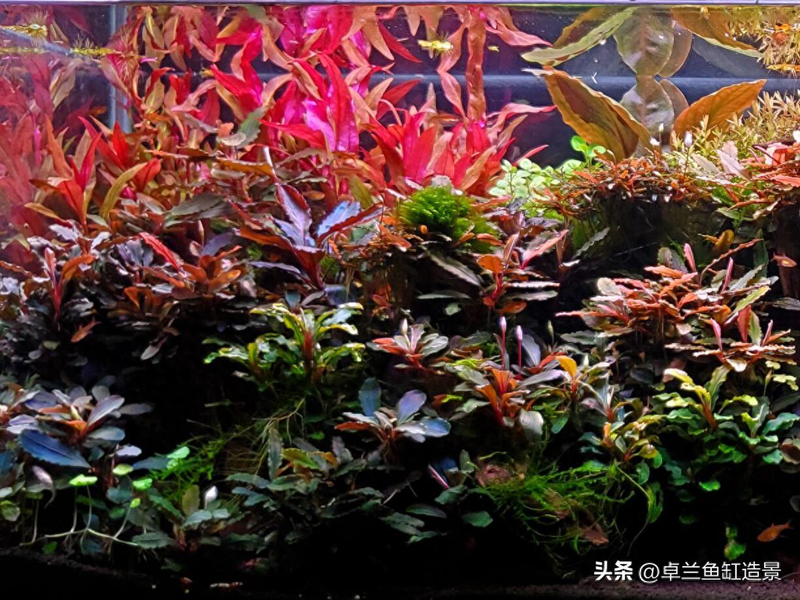
First step for the new hands: first split between “negative grass” and “positive grass”, and the wrong choice equals white breeding
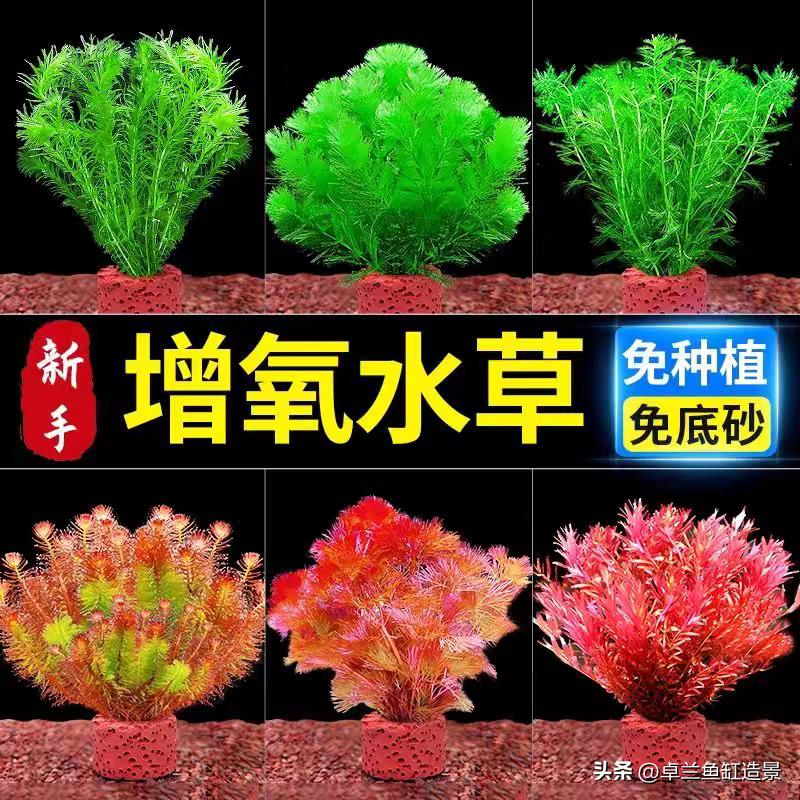
Negative grass: lazy's first choice, no light, no money
Core advantages: vagina tolerance, non-choice equipment, even if light is weak, without co2 can live, and new hands can pop a tank。
Suitable to the population: working people, student parties, people who are in trouble, or starters with limited budget (not wanting to buy co2 equipment)。
Three negative grasses are recommended:
Water platinum: lazy grass in the grass tank
- leafs are thick and green and can live on sunken wood, with low temperatures of 15°c and low light conditions
- it can even grow in an unfiltered cistern, and fish can eat a few of them。
2. Moss: the spectroscope. It's nice to stick
- triangular moss and tear moss, most recommended, tied to stone or sunken wood, can grow “grass” or “tree” shapes for two weeks
- just light for four hours a day, even if you forget to turn on the lights, it's just a little slower, not dying。
3. Selenium grasses: cleaner water quality impotents
- throwing in a fish tank without seeding or flying can lead to madness, and leaves are like feathers, where fish like to lay eggs
- the ability to absorb fish defecation and bait is extremely strong, with several new cisterns, which can quickly stabilize the quality of water and reduce the amount of water。
Conservation elements:
- light: 4-6 hours per day (enough with 10 w led lamps) and do not shoot directly (explosive algae)
- co2: not at all, but may grow too fast and require frequent cutting
- fertilisation: 2 months per drop of generic liquid fertilizer (one half per instruction book), preferably less。
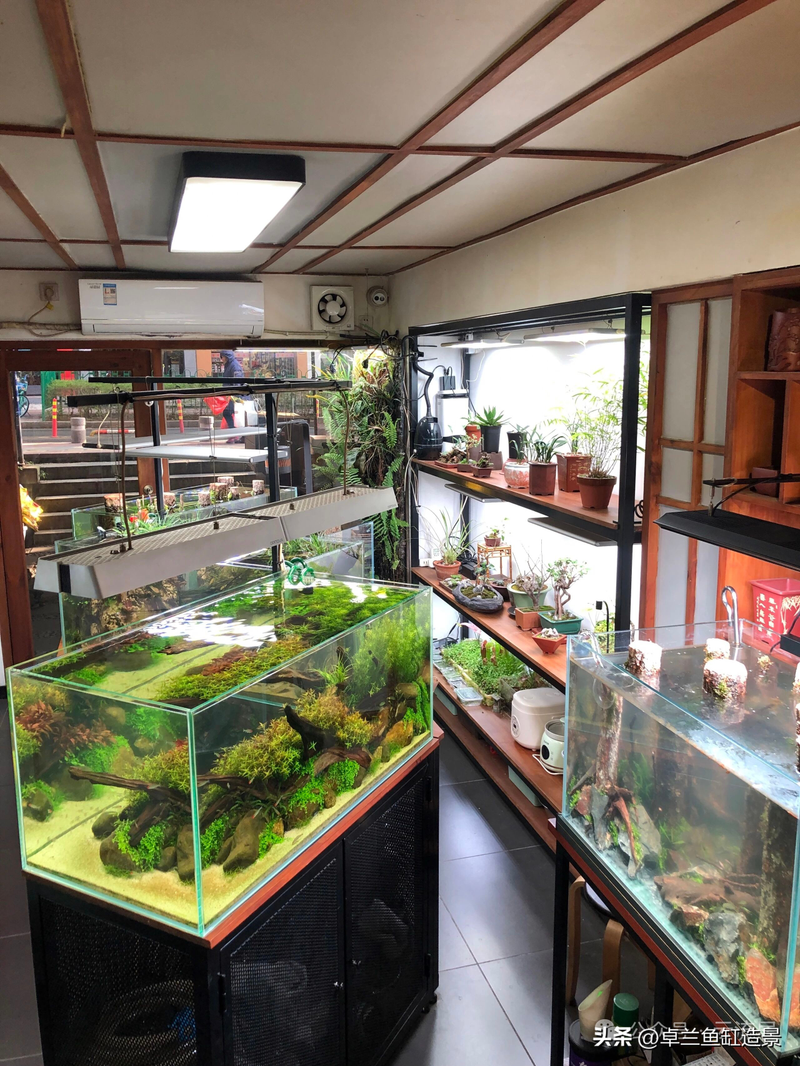
Positive grass: aggravated colour watch, but “serve”
Core characteristics: lights, co2, fertilizers, all the same yellow leaves, but in their state, they can have a red, green and gradual effect and are suitable for players who seek the best of the landscape。
Suitable to the population: people who have more than one year of experience with a straw tank and who are willing to spend time changing equipment and managing it daily。
Three “brother-friendly” positive grasses (relative good breeding):
1. Miyagi grass: colourful and highly accomplished
- if the light is enough and co2 is sufficient, the top end becomes red, moving from a “green grass” to a “green and green gradient”, suitable for the background
- growing fast, cutting tops once a week, growing a thicker range of forks, and first-hand viewing of conservation results。
Short pearls: the first option for building “underwater lawn”
- placing it on the bottom of the tatter will make it green in three months, and the fish will rise up to the “grass waves” and be cured
- but it must be lighted six hours per day + co2 (one bubble per second), otherwise it will be “unable to climb up” and grow thinly。
3. Straws: rear-story high grass, self-taught sensor
- leaf sizes like feathers, with fluorescent greens in strong light, coupled with palace grass to create a sense of “high and low error”
- the disadvantage is that the lack of co2 is bad, and the rookies suggest two weeks of co2 before entering the tank。
Conservation elements:
- light: 6-8 hours per day (30 cm cylinders with 20 w water and grass lamps with insufficient power to grow)
- co2: must be 24 hours away? No! Six hours in sync with the light (saving and safe) and flow of 1-2 bubbles per second
- fertilization: one drop per week of high nitrogen fattening (promoting green leaves) and multiple drops after weeding can be quickly recovered。
Ii. Equipment pursuant to equipment: not buys, not buys and buys
Lights: do not blindly pursue “professionals” based on hasty power
- negative grass-cylinders: 10 w led and 20 w for 60 ct/day (smart plugs to avoid forget-off)
- positive threshold: 30 cm casks with 15-20 w, 60 cm casks with 30 w selected with a luminous mode (simulation of sunrise and sunset, water herbs are not easily stressful)。
Pocket avoidance: don't use a domestic lamp! It's not the right spectral, it's yellow, it's algae。
Co2: negative grass is completely non-use, positive grass is chosen for "set"
- newly recommended: small steel bottle set (1l cylinder + pressure relief valve + refiner, approximately $200), safer than the diy generator, with a bottle of gas for three months
- usage: positive grass casks open with light, fine filters out of the water vent, so that co2 spreads more evenly; negative grass casks never add, and waste of money may lead to oxygen deficiency in fish。
Fertilizers: liquid fertilizers are safe, solid fertilizers are burning grass
- negative grass: opting for “general-type liquid fertilizer”, one in two months, to be halved per instruction book (e. G., 100 l drops of 5 ml)
- positive grass: choosing “feed-up fat” (nitrous, potassium high) once a week, followed by additional weeding (promoting growth)
- question: don't fertilize in a month. Weed hasn't taken root yet. It's easy to burn。
Iii. Three those those news have to leave from: don't let the efficient work go
Do not mix “grass fish” in the new tank
Goldfish and carp will eat grass, especially pecking moss and pearls, and the newcomers have suggested the use of lightfish (polls, red and green) in order not to destroy grass。
2. Do not change water and grass positions frequently
It takes time for the grass to adapt to the environment, so that it is grown and moved away, and it is easy to rot; at least two weeks later, the leaves stand up and adjust the landscape。
3. Algae are not scary. Don't use algae
A small amount of green algae is a good water quality, with 20 shellfish (a large sum of $5) gnawing in three days; it kills water herbs and nitroglycerin with algae。
The charm of the cask is to watch the grass grow out of its “saplings” into “smoke jungles”, in which fish travel. It is not too late for the newcomers to rush to pursue a “net-red scene”, starting with a few water herds and moss, to grasp the patterns of light and water quality, and then slowly to upgrade — after all, being able to feed is the first step, and living well is a surprise。
What kind of grass are you gonna test? Let's talk about it in the comment section
#accelerator #