Every summer night, air conditioning became almost household electricity. In pursuit of coolness, many sleep directly at 25°c or even lower, running all night, rising monthly electricity bills, becoming a significant cost of living. Many do not know that the setting of 27°c is actually a nationally recommended energy-efficient and comfortable temperature, but it is difficult to feel the coolness of the temperature alone. The core problem is not the temperature of the air conditioner, but the humidity of the indoor air and the efficiency of the cooling cycle。
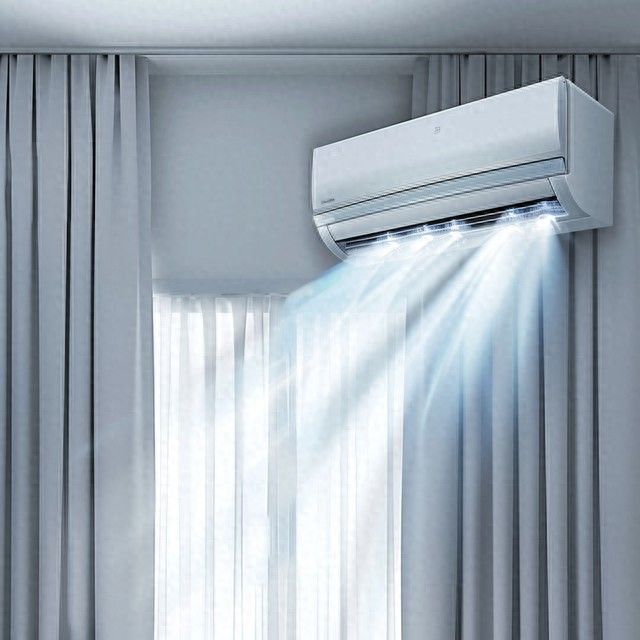
When air conditioners are operated at night, the room is equipped with two ordinary household items that will optimize the indoor refrigeration environment without retrofitting the air conditioner and adding large power appliances. The body cooling at 27°c is far above direct driving 25°c. At the same time, air conditioning compressors are significantly less frequent, their overall power consumption is reduced by almost half, their methods are simple to operate, there are material households without any high input, and the system is completely dismantled in conjunction with real use data and cooling principles。
First, clear the core error: why 25°c cools and costs electricity, and 27°c saves energy
The vast majority of people operate air conditioners in the summer with fixed cognitive deviations, suggesting that the lower the temperature, the cooler the room, the less the air conditioning logic. The core power-consuming component of the ac is the compressor, which consumes the most electricity when it continues to operate at high loads。
1. Temperature is set at 1°c down, increasing electricity consumption by 6-10%
According to the publicly available data of the household electric detection agency, 1. 5 wall-mounted air conditioners are operating for eight hours at night, set at 25°c, which consumes approximately 4. 2°c; and 27°c, which consumes approximately 3. 1°c without aids, saves nearly a quarter of the electricity itself。
Many people feel that the 27°c heat is rooted in the humidity of the air. In the summer, outdoor air moisture is generally over 70 per cent, and open windows and human sweat keep indoor humidity at 65-75 per cent. In high-moisture environments, human sweat cannot rapidly evaporate and surface heat cannot be dispersed. Even at 27°c, the heat is still felt adhesive, while in dry environments, 27°c air can quickly remove surface heat and feel good。
2. At night, human sleep suitable temperature is 26°c-27°c
The rate of metabolic reduction after sleep in humans is reduced by 0. 5 °c-1 °c of natural temperature, 25 °c cold at night, prone to cooling, joint acid pains, nostrils, and drying of the morning throats, especially for the elderly, children, the infirm population, and chronic cryogenic air conditioners that affect the quality of sleep. The national guide for energy conservation clearly recommends that nighttime use of hacs in summer be no less than 27°c, taking into account human health and electricity conservation。
Higher temperatures alone will save electricity and will not solve the problem of heat desiccation. A combination of two items will adjust the humidity and accelerate the cooling cycle, thus balancing cooling and energy consumption and achieving double returns。
First item: plastic buckets filled with water and placed under air conditioning
It is common practice not to buy dehumidifiers, freeze ice, use daily household plastic buckets, wash basins, operate at zero cost, cool both wetting and cooling。
1. Underlying principles for the functioning of drums
When air conditioners are cooled, indoor hot air is cooled by evaporationers, and water vapours in the air condensate outside the room, but condensed water is not released at a very rapid rate to reduce the humidity of the entire house. The water is slowly evaporated when the cooling air passes through the surface of the water, with two key effects:
First, the evaporation of heat, with a small drop in the temperature of the cooling gas following the water body, spreads more softly throughout the room
Second, balancing indoor dry and wetness, avoiding persistent air-conditioning wetting leading to excessive drying of the air while absorbing the wet and hot water vapours floating in the air and reducing the relative humidity of the environment。
Actual data: 15 m2 bedrooms, unfilled buckets, air conditioners 27°c operating for one hour, and indoor humidity 72%. Once half a barrel of water is placed, the same length of humidity drops to 56%, the humidity decreases by 16 percentage points and the body's slime disappears。
2. Correct placement and use details (dry focus)
1. Container selection: ordinary plastic buckets, large wash basins are the best, glass containers are not recommended, temperature differentials at night are easy to coagulate and smooth; containers are filled with 6 cents of clean water, and excessive quantities of water can be spilled out by air conditioners and wetland plates。
2. Positioning: the air conditioner should be located immediately below the wind, not in the corner of the wall, in the furniture cover, to ensure that the air conditioner is able to sweep the water in its entirety; the standing air conditioner should be placed directly on the ground in front of the wind。
3. Use cycle: replacement of hot piped water is sufficient every night before sleep, without the need for ice water, ice blocks, short-term cooling effects of which are evident, but which increase the load of air conditioning, increase the consumption of electricity, and provide the highest prices for constant fresh water。
4. Supplementary optimization: rooms larger than 20 m2, with two buckets placed on both sides of the air conditioner, with a flat decrease in the humidity of the house as a whole and no localized heated endpoints。
3. Common question answers
There are concerns that drainage increases indoor humidity, which distinguishes two concepts: the evaporation of the water body is the taking of the heat from the air, and the air conditioner itself is constantly damp, and the overall evaporation of the water is much greater than the evaporation of the water body, which only reduces humidity and does not reverse humidity. During the rainy season, when air moisture is extremely high, buckets are used with air conditioning, and the dewetting effect is more pronounced。
Iii. Second item: thin, pure cotton wet towels attached to the edges of the bucket/air conditioner panel let's go
Cleaning drums are responsible for basic cooling and humidification, pure cotton wet towels are the key to magnifying the cooling effect, and the combination of two articles can achieve the effect of a 27°c feeling beyond 25°c, only one of which can be used alone, and the cooling effect is significantly reduced。
1. Scientific basis for enhanced cooling of wet towels
Pure cotton fabric fibres are porous, water locks are strong, cooling gases continue to blow wet and moist towels, water evaporates at constant evaporation rates, and heating is much more efficient than static water. The equivalent of adding a simple natural cooling layer to air-conditioning vents, with lower cooling temperatures, while small water vapours spread with cooling, do not cause dampness in the room but only alleviate the discomfort associated with dry cold。
In comparison, 15 square metres of bedrooms, 27°c of air conditioner, with only buckets of water, which are mildly cool; buckets with wet towels, with a 30% increase in the rate of air cooling spread throughout the house, with no heat at the far end of the room, no bed position, and 25°c of air conditioning without wind aids。
2. Conduct norms to avoid misuse
1. Speculation of towels: thin and pure cotton towels, old wash towels, and rejection of thick towels and fabric towels. Fibre-coated fabric is poorly locked, evaporated at a slow pace, with little cooling effect; thick towels are slowly evaporated and can easily drip wet wetland surfaces。
2. Wetting standard: towels are fully immersed, they are soared that they are not dripped, they are kept wet and no continuous dripping。
3. Placing methods: first, on the edge of the bucket, the lower half is immersed in the barrel, the upper half is venting the air conditioner, the water is being supplied continuously, and no re-wetting is required throughout the night; second, the home where the air conditioner is installed is laid directly below the windshield, the air conditioner blows the towels and coolers spread faster。
4. Frequency of replacement: a towel can be used overnight, dryed the next day, recycled and reused without additional material cost。
Additional small-scoring techniques
If the night room is sunken and the wall is hot, an additional wet towel can be prepared along the window fence to assist in absorbing the heat from the wall, further reducing the indoor heat source, with fewer air-conditioning compressors being activated and more electricity being saved。
Complete measurements: 8 hours of night use, visual comparison of electricity consumption
The selection of 1. 5 primary energy-efficient wall-mounted air conditioners, 15 square metres of standard bedrooms, 22 pm to 6 pm at night, and the monitoring of three series of situational data over a period of eight hours, all from real readings by the household power monitor, without exaggeration:
Project 1: air conditioner 25°c, without any assistive items, closed doors and windows, total power consumption of 4. 18°c for eight hours, average indoor humidity of 71%, and easily dry and slimy in the middle of the night
Work condition 2: air conditioner 27°c, with only clean buckets, no wet towels, total power consumption of 3. 02 degrees for eight hours, average indoor humidity of 60% and slightly hotbed position
Project 3: air conditioner 27°c, water drums + pure cotton wet towels combined, total power consumption of 2. 07 degrees for eight hours, average internal humidity of 54%, flat house temperature and no dry hot spots。
Data conversion: project 3 reduced electricity consumption by about 50 per cent compared to project 1 and perfected half of electricity savings. The cost of electricity can be saved at a cost of $1. 16 per night, calculated at 0. 55 yuan/degree of the cost of the stairs for the population, and at a cumulative cost of $104 per night for the entire 90 days of the summer。
V. Complete equipment equipment collects, completed with two equipments
It is not enough to rely on buckets and wet towels alone to combine a few low-cost operations to further reduce air conditioning loads and power consumption, all of which can be done on a daily basis:
At night, the curtains are thickened: the sunlight of the day allows the wall, the furniture, to store large amounts of heat through glass, and the remaining temperature of the wall continues to be released even if the windows are opened at night. (b) draw curtains before sleeping, isolate the wall from the outside, and reduce the air conditioning cooling burden。
2. Simple sealing of doors and windows: the doors, windows will seep into the outdoor hot air, used old towels to block the doors, avoid cold and hot air convection, the air will not be lost quickly and compressors will not be required to initiate frequent remission。
3. Air-conditioning wind speeds to the middle and low: no heavy wind is required at night, medium wind speeds with wet towels are sufficient to spread the air, high wind speeds accelerate the exchange of cold and heat indoors and increase the consumption of electricity while blowing directly into the body is prone to cooling。
4. Regular clean-up of air-conditioning filters: net piles of dust will jam out wind vents, cooling out of the air will be blocked and cooling efficiency will be reduced by about 30 per cent. It is recommended that filters be cleaned every two weeks to ensure that the cooling air will blow out in such a way that the assistive items will play their full role。
Vi. The application of population and the use of obligations to rise from use of the possible
The cooling method fits the vast majority of households, but there are two types of scenarios that need to be adapted to use while avoiding security risks and ensuring home safety:
1. People fit for use
Ordinary residential bedrooms, rental rooms, small living rooms; elderly people and children who are afraid of low temperature and cooling air conditioners; workers whose monthly electricity costs are high and who want to save their electricity; and people whose summer skin is dry and who blow air conditioning is prone to sore throats and skin skins。
2. Scenes requiring adaptation of use patterns
1. Long-term return to damp houses in the bottom moist and moist season: reduced bucket volume, dryened towels, open windows during the day, avoiding long-term water accumulation on the ground for fungus
2. Wood floor room: a dry rag at the bottom of the bucket to prevent the external wall of the container from permeating the floor and causing a deformation of the floor
3. Families with infants and young children and elderly persons with reduced mobility: buckets are placed far from the bedside aisle to avoid tripping and containers are selected for short amounts to reduce the risk of overturning。
3. Safe red line never to be touched
Instead of adding ice to the water, short-term cooling would cause the air conditioner evaporation unit to become too hot and more compressor loads, which would increase the consumption of electricity; rather than using metal basins for water, air conditioning would drive water vapours, with a slight electrical hazard; and instead of covering the air-conditioning vent directly with wet towels and completely covering the wind road would lead to the dissipation of air-conditioning and damage to machinery。
Vii. Breaking down the downside of similar cooling methods on the internet, highlighting the advantages of the package
There are a number of air conditioners and cooling methods available online, such as house-wide freezing, the purchase of large-scale dehumidifiers and the installation of circular fans, which have a significant disadvantage compared to the bucket + wet towel programme:
1. Temperature of ice: fast melting of ice, full melting of two hours at night, need for frequent replacement, cumbersome operation, additional costs associated with the purchase of ice, rapid rebound of short-term cooling chamber temperature and limited power savings
2. Wet-deficit aids: mini-wet-deficit power above 300 w, additional power consumption for running all night, several hundred yuan for a machine, high cost of inputs, small-house layout occupied space
3. Cycle fans: the continuous operation of fans at night also consumes electricity, noise affects sleep, and additional expenses are incurred by renters for additional household electricity。
Water drums and net cotton towels are household items, zero purchase costs, operating overnight, without noise or additional electricity, without occupancy of indoor space, without equipment depletion, with long-term commercial value far higher than other cooling methods, and a central highlight of the distinction between this approach and the homogeneity content of the network。
Viii. Additional benefits of long-term use, more than saving electricity from coolness
1. Improving dry air conditioning and cooling: a large number of people blow low-temperature air conditioning throughout the night, dry the morning nasal cavity, skinning the lips, slow release of trace water vapour from wet towels, balancing dry indoor air with wetness, more comfortable sleeping body and reducing respiratory discomfort
2. Reduced air conditioner wear and tear: compressors do not operate frequently at high loads, fewer start-ups, slower wear and tear of internal parts, longer life expectancy of space adjusters and lower maintenance expenditure
3. No chemical additives, safe environmental protection: water, pure cotton fabric, no cooling sprays, de-wet chemical agents, safe use in pregnant women, baby rooms and no volatilisation of harmful substances。
Interactive thematic discussions
1. How many degrees of air conditioning do you normally operate during the summer? What's the monthly ac charge
2. The use of wet towels in buckets could be tried tonight and, after that, the sharing of real physical and electrical feelings in the comment area would be welcome
3. What else do you have for low-cost air conditioners