In winter and spring, together with the upcoming school season, whether it be the school students who are returning to school, or the school students who are returning to school, the safety of our journey remains a common concern。
At the beginning of the new term, the compulsory course on traffic safety requires all parents and students to learn together, to observe the rules of the road, to observe the details of the journey, to be safe and to be able to accompany each other, to be able to protect the growth of the new term and to meet the full-time new chapter of the year。
Students need attention
1 car safety
First of all, it is prohibited to use “black vehicles, overload vehicles”. If an overload is detected after the vehicle has been taken, it is necessary to get out of the car in time for other vehicles and to call the call。
2. Fasten your seatbelt by car. Fasten your seat belts in front and back。
3. Car passengers shall not carry dangerous goods such as flammable and explosive substances, shall not throw them outside the vehicle, and shall not engage in acts that affect the safe driving of the driver。
When you get out of the car, be careful to observe the right and the left. To avoid a sudden “ghost scout” accident from the back of the front and an “open door” to kill。
Two cars secure
Motor vehicles
1. A driving licence shall be obtained in accordance with the law。
2. Cars shall be carried out in a man-to-man manner, slow and slow, with appropriate sirens or lights。
3. Before travelling, check the condition of the vehicle to ensure that the lights, turns, brakes, brushes, etc. Are properly in force and that the vehicle tyres are checked。
4. The speed of movement and safety of the vehicle should be reduced when travelling at night or in dangerous sections of the road and in exceptional weather conditions such as the rainy season。
Non-motor vehicles
1. Remember to wear a safety helmet. Helmet can effectively protect the head and mitigate harm。
2. Watch the road. Turns, turns and pulls over, turns in advance to light and slows down. Far from the big van, the van is blind and prone to security accidents。
3. Before travelling, check the condition of the vehicle to ensure that the lights, turns, brakes, brushes, etc. Are properly in force and that the vehicle tyres are checked。
Non-motorized vehicles shall be parked at specified locations. Non-motorized vehicle parking shall not prevent the movement of other vehicles and pedestrians without a parking location。
5. Compliance with traffic regulations and violations such as overloading, speeding, diversion and reverse movement。
6. Remember to drive in non-motorized lanes. On roads without non-motorized lanes, the right side of the driveway should be used。
7. No hand-held items. When riding with a mobile phone or other thing, it poses a great danger not only to itself but also to the safety of other traffic participants。
Three lines safe
1. The need to focus on walking is not to be a “low head clan”。
2. The sidewalk is used to walk in the sidewalk and the sidewalk is used when there is no sidewalk。
3. Do not cross the street at will. Crossing the street is carried through the zebra line through the facilities of the street and does not cross the street for reasons such as “psychology”, overconfidence or rushing to school。
To observe the rules of the “red light stop, green light line” traffic; and to observe incoming and outgoing vehicles on their right or on their left, with particular attention to avoiding turning vehicles。
5. Vehicles are blind and require observation. The road was not crossed when the car approached; the fence was not crossed away from the big truck。
Students need attention
Walking: rules-keeping, accident prevention
1. Strict crosswalks or sidewalks, where there are no crosswalks, shall be carried by the right side of the road and shall be avoided in motorized and non-motorized lanes。
When crossing the street, observe the “one stop, two look three pass”: first watch the right and right car, confirm the safe passage, not chase the punch, not look down on the cell phone, and be particularly alert to “ghost scouts” (e. G., when the vehicle turns suddenly, when the pedestrians rush out of the shield)。
3. In the face of red and green light at the intersection, no red lights will be broken and no yellow lights will be seized; when crossing the zebra line, care shall be taken to accommodate the vehicle while being aware of the intention of the vehicle to stop and to avoid danger arising from the delay of the brakes。
4. When the light is darker in the morning and evening (e. G., morning, evening or rainy day), wear as much colourful clothing as possible, or wear reflecting bracelets, to increase self-identification and to make them more visible to drivers。
Riding: observing norms, not violating norms
1. Pre-cycling inspection of vehicle condition: to ensure that brakes are sensitive, car bells are normal and tires are sufficiently pressured to avoid accidents due to vehicle failure。
2. Compliance with age requirements: no cycling on the road under the age of 12, no electric bicycle under the age of 16 and, when riding, wearing a safety helmet, tightening the helmet button and reducing the risk of head injury。
3. No irregularities in the conduct of riding: no opposition, no red light, no speeding, no hand-by-hand races, no parallels, no pursuits; early deceleration and gestures at the turn of the road, observation of rear vehicle movements and avoidance of sudden diversion。
4. Car routes: to the extent possible, riding in non-motorized lanes, where no non-motorized lanes exist, by the right side of the road to maintain a safe distance from the motor vehicle; passing through heavily populated areas such as entrances to schools, sub-sectors and exits, slowing ahead of schedule and avoiding pedestrians。
Cars: leaks, order
In a private car
1. Students under the age of 12 may not sit in a co-pilot position, but must sit in the back and use a child's seat or seatbelt; when travelling in a car, they do not lift their head or their hand out of the window and open doors or windows at will。
2. Parents are required to get out of the vehicle at the temporary stop point designated by the school, to stop the road and not reverse it, so as to avoid congestion; and to observe the presence of vehicles and pedestrians in the rear before leaving the car and ensure security before opening the door。
Public transport
1. Ride in line and wait for no push, no chase, until the vehicle stops in order to get up and out of the car, without being forced to pick it or to grab it when the door closes. Check vehicles before proceeding。
2. Sit tight when you get in the car, do not fight inside the car and stand near the door; when you get out of the car, prepare in advance to confirm that the vehicle is parked and then rises, avoiding sudden start-ups or brakes。
3. Secure personal effects, with particular attention to mobile phones, school bags, etc., so as to avoid being left in the vehicle; contact strangers or unusual situations and seek timely help from drivers or other passengers。
Take the internet/ taxi
The official platform was selected not to be placed on a “black car” without a license and in poor condition, and to confirm that the vehicle information (licence plate number, driver's name) was in line with the order and to share the trip with parents or relatives。
Seats in the back seat, seat belts; no quarrels with the driver on the way, no demands that the driver be speeding or retrograde, and prompt alerting or parking requests should the driver be found to have irregular driving practices。
Parents need to plan their routes. Okay
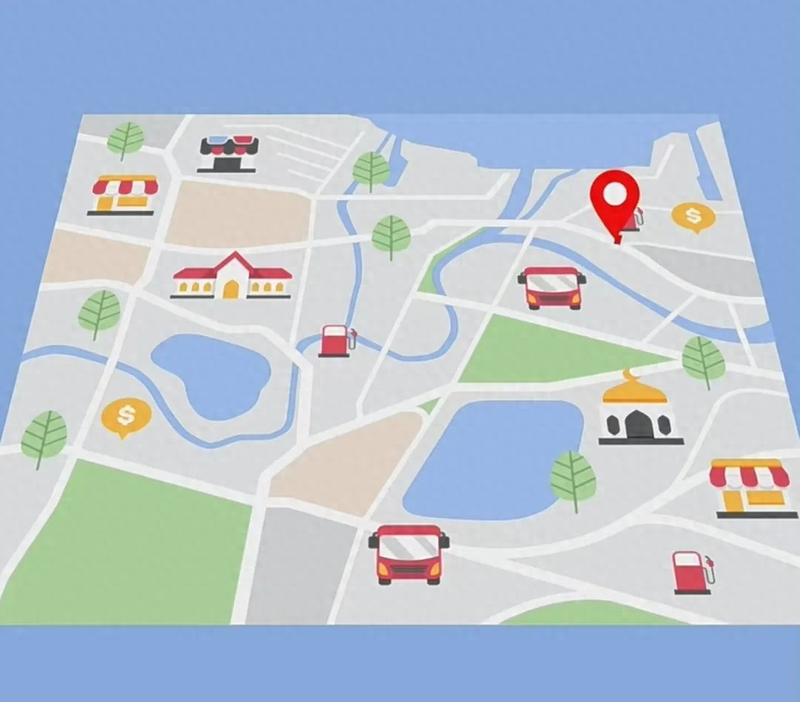
Roads around schools are prone to congestion and parents are asked to plan transport times and routes ahead of schedule, to travel at faulty peaks and to avoid congestion; if there is congestion, wait patiently to ensure that there is no overloading, non-laying, non-attendance and compliance with the command of the police on the spot。
Civilized parking
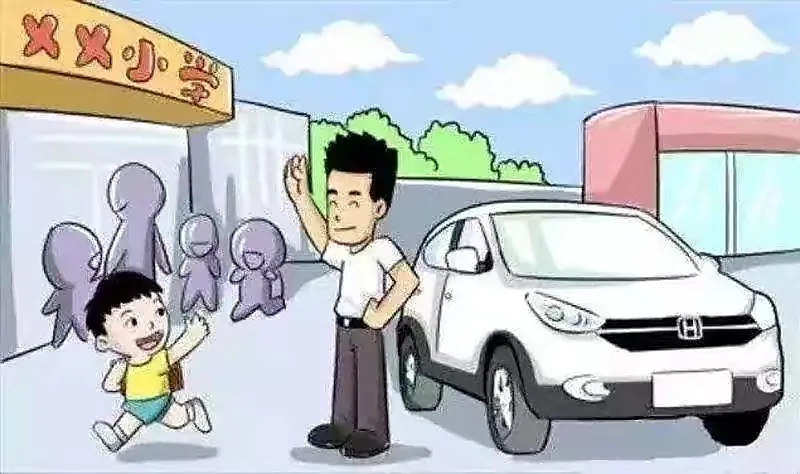
Parents who drive their students are required to pay particular attention to driving and parking regulations. The bus should be stopped and the students should leave so as not to cause traffic congestion, and parents should be asked to observe traffic safety laws and regulations on their own initiative, to follow the orders of the traffic police on the spot, i. E. To stop and take them in an orderly manner。
One helmet and one belt
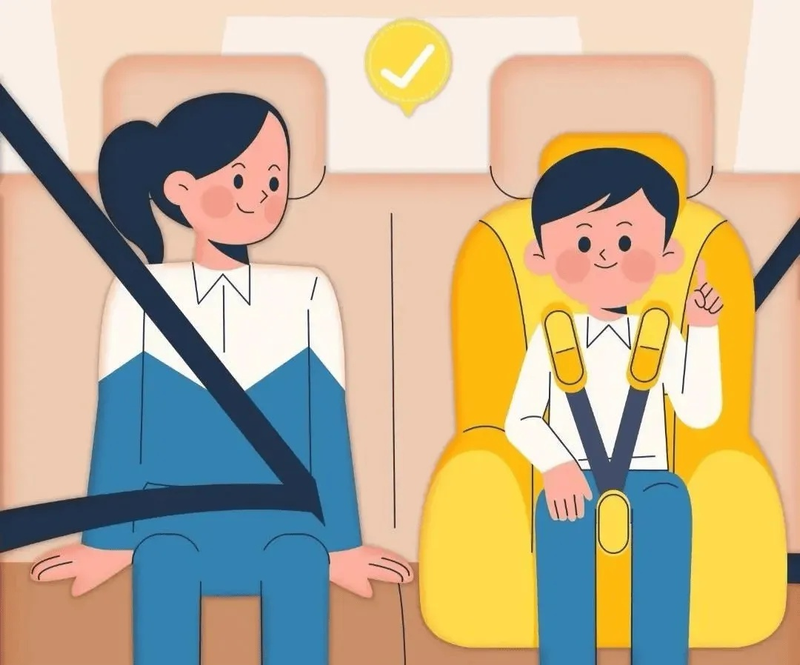
When the parents transport the students in a motor vehicle, they ensure that everyone in the vehicle is wearing the required seat belts; and pay particular attention to the safety of getting up and out of the car and be alert to “open the door and kill”。
Carry out custody duties, safety education
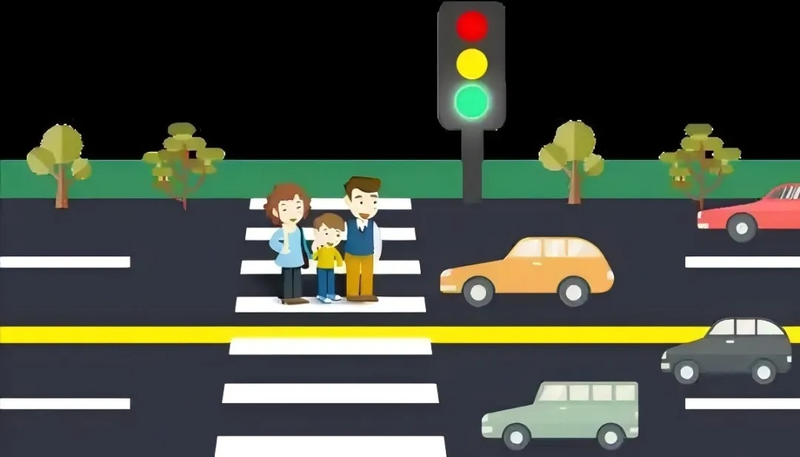
Parents take responsibility for safe custody, teach students about traffic safety, advise students not to play on the street, and learn about traffic safety。
The new term is a new beginning, while peace is the beginning of all hope, learning to avoid the risks of travel and to protect themselves is a compulsory subject for every student and parent. May your classmates go to school with joy, go home in peace, and thrive under security