Good news from the second-hand room of the first-line city。
In november, the exchange of second-hand houses in the four front-line cities of beijing, shenzhen, guangzhou and shanghai rose by 17. 8 per cent in beijing, 12. 9 per cent in shenzhen and 8. 77 per cent in guangzhou and 7. 12 per cent in shanghai。
According to industry sources interviewed by chinese journalists in the securities times, the second-hand room in the first-line city rose in november mainly because of the low base of the national holiday in october. At the same time, shenzhen's “general housing recognition criteria” and “two down payment ratios” policies on 23 november have injected confidence in the market and have had a positive effect on the dynamism of the second-hand home market; the positive impact of the policy of liberalizing parts of guangzhou on 20 september continued, leading to the release of demand for home purchases; and shanghai turnover was replaced by “price-for-price” exchange。
In addition, today, the guangzhou city housing and urban-rural construction authority and the guangzhou city market supervision authority have issued their opinion on the implementation of regulations governing real estate brokerage services. According to the implementing opinion, real estate intermediaries are required to reduce the cost of buying, selling and leasing housing. Slotting pricing is encouraged in accordance with the principle of higher transaction prices and lower service rates. Inducing the parties to the transaction to share the costs of brokering services. Real estate intermediaries may not charge any unspecified fees and may not use false or misleading price instruments to commit price fraud. A market-dominant real estate broker should not abuse a market-dominant position to charge an unfairly high price for brokering services. Real estate internet platforms should not impose a uniform rate for brokerage services on the real estate agents that are members of the platform, nor should they interfere with the autonomy of real estate intermediaries in determining fees。
Beijing's used room is 17. 8% more
According to online data published by the beijing municipal housing commission, in november there were 12,545 second-hand residential net signatures in beijing, representing an increase of 17. 8 per cent, or 16. 7 per cent over the same period。
According to the data, there was an increase in the exchange of second-hand rooms in beijing compared to october。
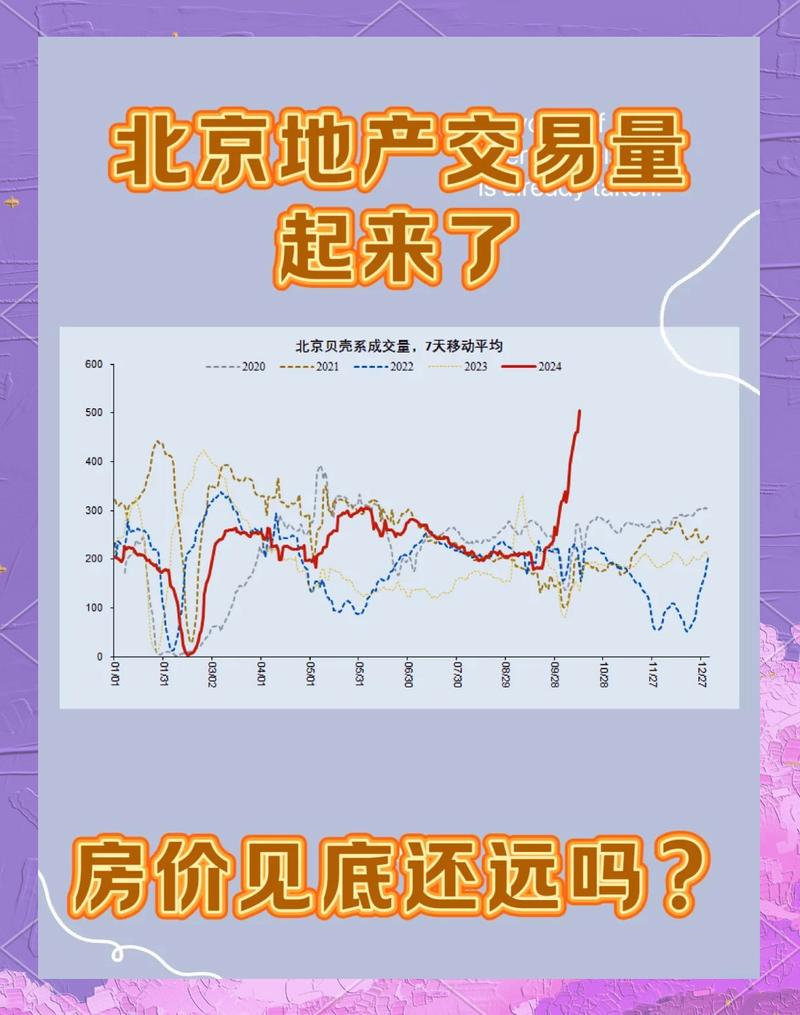
Dinzu, executive director of the shanghai institute for evictions and estates, stated that the number of second-hand house nets in beijing had increased significantly in september, reaching more than 14,000, but that since october the number had fallen to 10,653 because of long leave factors. In november, secondary residential net signings in beijing increased more significantly than in october, reaching 12545 units。
The director-general of market research of the institute, chen weng jing, also stated that since the fall of the policy of “recognizing or not lending” to chinese journalists, there has been a gradual upturn in the number of second-hand homes in beijing. According to the institute's data, in september there was a 30 per cent increase in the number of second-hand dwellings in beijing; in october, the trade fell under the influence of the national holiday; and in november, the number of second-hand houses had recovered, driven by a downward revision in the price of quality housing and some of them. Overall, the second-hand chamber in beijing is still in a certain volume。
However, according to zhang daewei, the chief analyst of the chinese-original property, although there was an increase over the october netting, this was mainly due to the national holiday in october. In addition, the backlog of requirements in september continued in november owing to delays in netting. Overall, the removal of the effects of the national day holiday has resulted in the completion of the beijing house deal in november, which is almost the same as in october, and remains low。
Zhang daewei further noted that, overall, the previous steady-market policy had suffered a decline. While beijing's “no-pricing” policy has affected the real market turnover by about 40 per cent, it was largely concentrated in the first half of september, with internet access lagging behind and second-hand stock in september largely reflecting the impact of the new deal. On the other hand, in view of market trends, the base line for second-hand house fire in beijing is 15,000 units in a single month, but the market drives demand, which is mainly dependent on schools, which will decline after april. In addition, the september “no-pricing” policy had only affected part of the improvement in demand, but for families who had changed their homes, second-hand rooms had to be sold in order to be replaced。
Shenzhen's used room is up 12. 9%
Trade in second-hand rooms in shenzhen also continued to rise in november, thanks to a policy of good interest。
According to data from shenzhen city real estate information platform, in november, 3133 second-hand commercial dwellings were closed in shenzhen, representing an increase of 12. 9 per cent over the previous year of 44. 5 per cent。
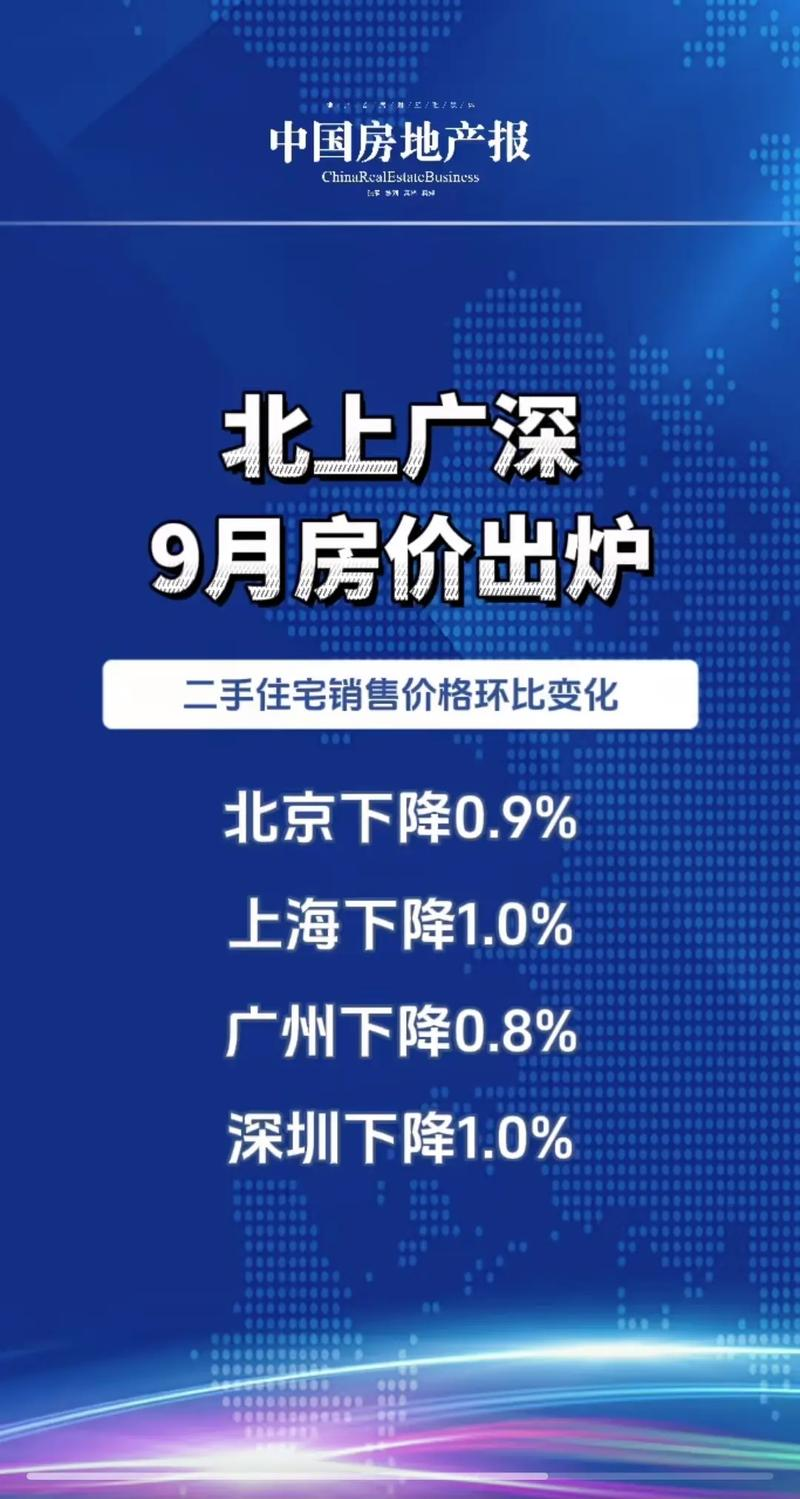
Also according to shenzhen city real estate intermediary association, 936 second-hand rooms (including self-help) were recorded in shenzhen city from 6 november to 12 november, an increase of 9. 2 per cent in the ring; on 19 november, 972 second-hand rooms (including self-help) were recorded throughout shenzhen, an increase of 3. 8 per cent over the ring, and a further increase in “high” second-hand rooms。
In the view of asociación asociación indígena, the recent trend in second-hand recording shows that the market has stabilized, rather than showing a downward trend following the marginal effects of previous policies, but rather operating in relatively “high”。
According to asociación asociación indígena, shenzhen, in november, recorded an increase of 1. 2 percentage points compared to the previous month。
In the context of continued policy optimization, the policy of “general housing recognition” and “reduced two sets of down payments” on 23 november has injected greater confidence into the market for improved clients, with a marked recovery in the mood for improved customer entry in november。
According to asociación indígena, the two new deals are very well positioned, i. E., they have worked very well on the household registration system and on the modified client group, allowing the “one wave of policy and timely rains” that have continued from the end of the three quarters to the end of the year to the market, after which the more pessimistic market sentiment began to improve in the second half of the year and market confidence has gradually recovered, which has been more clearly validated by the monthly trade trends. The continuous digestion of the new deal by the market in december leaves us with room for reflection on the industry。
On 23 november, shenzhen began the implementation of a new two-storey municipal policy, the first of which was a reduction in the down payment rate for two units, adjusted from 70 per cent of the original general housing to 40 per cent for 80 per cent for non-general housing, and a significant reduction in the threshold for the purchase of two units. The second is to adjust the criteria for the identification of ordinary dwellings, which are no longer considered a total transaction price, and to include dwellings with a single size of less than 144 m2 and a total value of more than $7. 5 million, which effectively reduces transaction tax costs。
Chen weng jing, in an interview with the chinese journalist, reported that shenzhen’s november deal was the first time since may of this year that the second-hand suites were over 3,000, and that the new deal is expected to have a positive impact on the second-hand-room market, which is expected to be mildly repaired in the short term。
There's also an increase in the sale of used rooms in guangzhou and shanghai
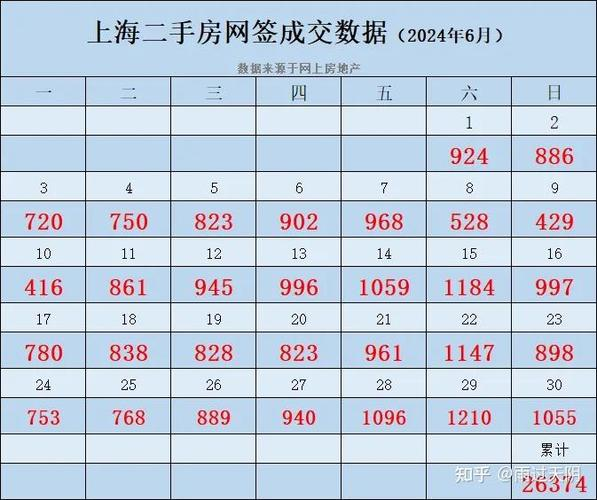
In addition to beijing and shenzhen, there has also been an increase in the number of second-hand houses in guangzhou and shanghai。
According to the association of real estate brokers of guangzhou city, in november (the statistical cycle was 26 october 2023 to 25 november 2023), there were 1,0182 second-hand residential nettings (intermediaries + self-trading) in guangzhou city, representing an increase of 8. 77 per cent in the ring. In november, the city-wide network of second-hand residential signatures exceeded 10,000 more in march and april 2023。
With regard to the main reason why the second-hand residential trade in guangzhou continued the ring-to-growth trend since august this year, the guangzhou association of real estate intermediaries argued that the first “920” policy was a continuation of the stimulus, and that the demand for houses by previously ineligible owners was being released as a result of the liberalization of some areas. Second, in the context of good policy interests, and in order to reduce the replacement cycle, some owners are willing to provide some bargaining space to facilitate a deal. Thirdly, there is an increased demand for degree rooms due to the enrolment of children next year。
On 20 september, guangzhou issued a new deal for secure houses, in which it was proposed to adjust the regional scope of the housing-requirement policy, to exempt second-hand homes from vat for “five years to two years”, and to reduce the length of the social security coverage for the acquisition of first flats by non-residents from five years to two years. Guangzhou became the first city on the front line to optimize the policy of limiting the purchase of housing。
In addition, according to the online real estate net sign-in update, in november, a total of 16173 used rooms were sold in shanghai, representing an increase of about 7. 12 per cent. On the whole, the market has warmed up, with an average number of contracts per day of approximately 539。
With regard to shanghai's total volume of transactions rising in ring, shanghai's original property market analyst lu wen sei, interviewed the chinese journalist for the securities times, saying that there were two reasons, first, that there was no holiday impact in november, and that the pace of market transactions had returned to normal, with more transactions concluded than in october. In absolute terms, however, there are still no more than 15,000 “failure lines” and, despite the rebound, they remain in a weak pattern. Second, market prices remained low in november, with second-hand price indices for chinese real estate showing a decline of nearly 4 per cent in november, with an accelerated downward trend. In other words, the turnover is replaced by “price-for-price” discounts, with some housing sources even below eight. Buyers are also willing to enter the market, driven by “one-stop” prices。
In luvensee's view, the current market does not have a clear bottom and the policy of local buildings on top of the sea is unclear, so that there are chainsaws in the trade. This less dynamic state of affairs is expected to continue with the closure in december, and prices continue to move in the background。