In recent times, after the introduction of a well-established “package boxing” of building-market policies, some boosting effect was achieved on the market, with the reaction of the second-hand house market in the first-line cities evident。
"i've just made an old school room for the yuk-soo, and i've replaced a four-bedroom second-hand room at huang po." chen ho (alias) who works in tianha, guangzhou, told reporters that “the price of the school ward is much lower than it was at its peak, but the children have graduated from junior high school and the second-hand house price is in place in huang po, so they have replaced the school ward with a handout of around $200,000
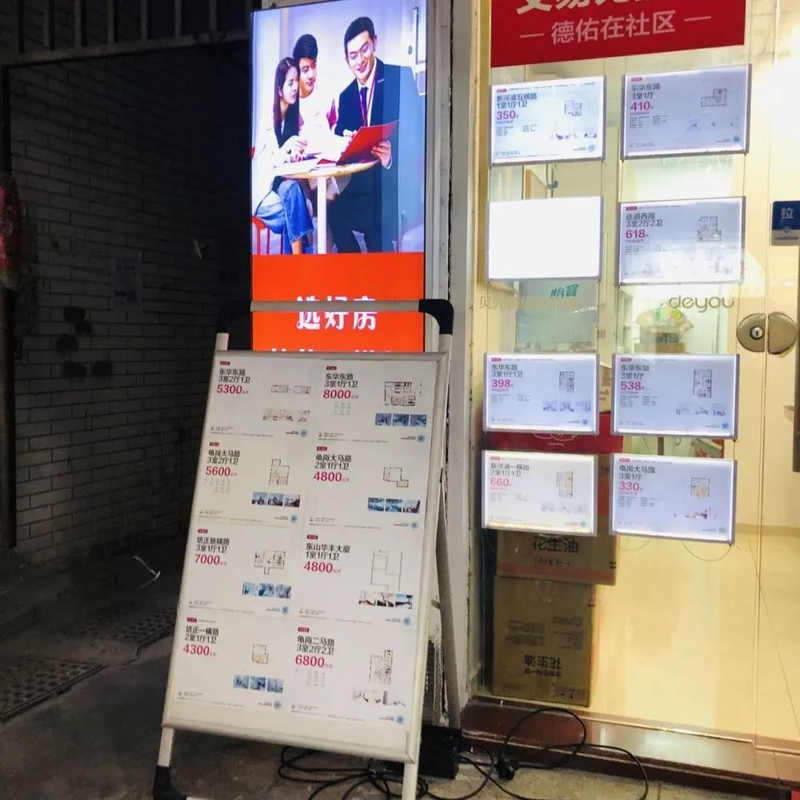
A second-room shop in the yutsu district of guangzhou
Since the third quarter of this year, guangzhou has successively issued new policies to promote healthy housing market development. For example, at the end of august, guangzhou implemented a policy of “recognizing houses without mortgages”; in september, guangzhou optimized the purchase restrictions, while non-guangzhou household members were exempt from vat and tax or social security contributions for non-guangzhou households for a period of “five years or two years”, in conjunction with earlier policies such as a decline in the interest rate on first mortgages, a decline in the minimum down payment rate for second flats, a reduction in the interest rate for first flats, and a reduction in the interest rate for first flats in stock, and some of the people in need began to be stupid。
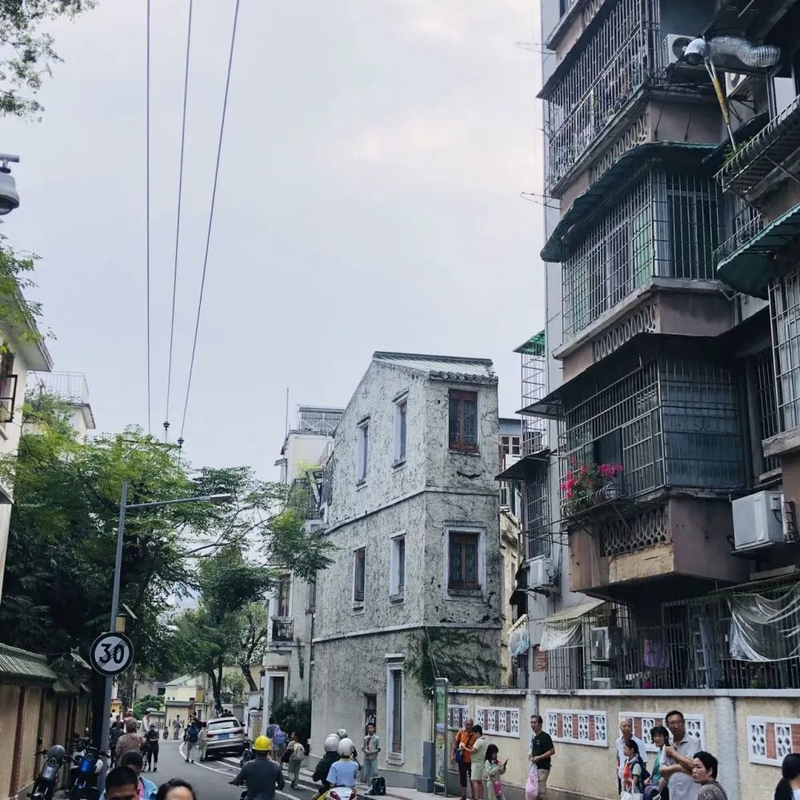
Some old school wards in yusu district, guangzhou
According to the association of real estate intermediaries of guangzhou city, in november 2023 (the statistical cycle from 26 october to 25 november), there were 1,0182 second-hand residences in guangzhou city, representing an increase of 8. 77 per cent in the ring; the second-hand residential net area was 102. 1 million square metres, representing an increase of 7. 23 per cent, which is the fourth consecutive monthly roundup of second-hand houses in guangzhou。
In shenzhen, in addition to “recognizing the house”, two new buildings of municipal policy were implemented in shenzhen since 23 november: a reduction in the rate of down payment for two housing units and an adjustment of the general housing standard under the preferential policy. As a result of this boost, there have also been some signs of warmth in the used room market. According to data published by shenzhen's homeowners, the number of second-hand rooms in the store has risen for two weeks, and last week the ring ratio rose by almost 20 per cent; the second-hand room saw the ring ratio rise by more than 6 per cent, the confidence of the market continues to recover and, with the last wave of traditional house purchases at the end of the year, the number will continue to rise. In addition, in november, 3,133 second-hand residential homes were sold in shenzhen, a 13 per cent increase in ring-to-ring ratio, the third time since this year that there have been over 3,000 second-hand residential transfers in shenzhen。
“there has been a marked increase in the recent wave of light, but price changes have been modest and the affordability of home buyers remains limited.” in the fukuda merin area, a senior regional housing broker said that “in dealing with clients, it became clear that most of the clients had a strong desire to buy a house, but that the second-hand room at hand was less than expected, so it was possible to lower the price, which was already common. In price terms, the second-hand house price portion of shenzhen has now returned to its 2018 level.”
However, with regard to the continuation of the stimulus provided by the policy, several of the business marketing managers and middlemen interviewed indicated that it remained to be seen, in particular that the confidence of the buyers remained to be restored. According to monitoring data from the zhuge data research centre, the emotional index in the 50-city focus last week was -0. 79 and remains low in the market viewing area. However, the market mood index has been at the bottom of the maze since august, the 42nd week, until last week, when it recovered from the improvement of the mirage to the low-visibility zone, where the bottom-up trend became apparent。
It is worth noting that the market for second-hand houses in the first-line cities rebounded collectively in november. In addition to guangzhou and shenzhen, public information indicates that more than 12,000 second-hand housing units were contracted in beijing in november, an increase of 17. 8 per cent and 16. 7 per cent, respectively, and an increase of about 7. 12 per cent in shanghai in november。
Li yuja, the chief researcher at the centre for housing policy research in guangdong province, stated that prices were expected to continue to weaken and to remain in the market for basic needs and improved demand. While the stock market is large enough to provide a reasonable price gradient and to create conditions for immediate demand and improved circulation, demand releases are prone to decline again after a short-term upturn when real estate fundamentals (income, employment, housing price expectations) have not improved. Further market developments can be expected in the first quarter of next year, depending on policy, housing prices, the supply of new housing, etc., but seasonal recovery trends are determined。
According to the institute's analyst jung joon-hoon, the reduction in the cost of buying houses and the lowering of the threshold for buying houses remain the focus of policy optimization, and future core urban policy or continued optimization, with kyoto expected to reduce the rate of down payment for the two suites, reduce the rate of interest on mortgages, optimize the criteria for home recognition, reduce transaction taxes, etc., and the core second-line cities expected to further ease the restrictions. Currently, only some of the core urban markets remain active, and most still face adjustment pressures. At the national level, market recovery still takes time and rehabilitation is slow。