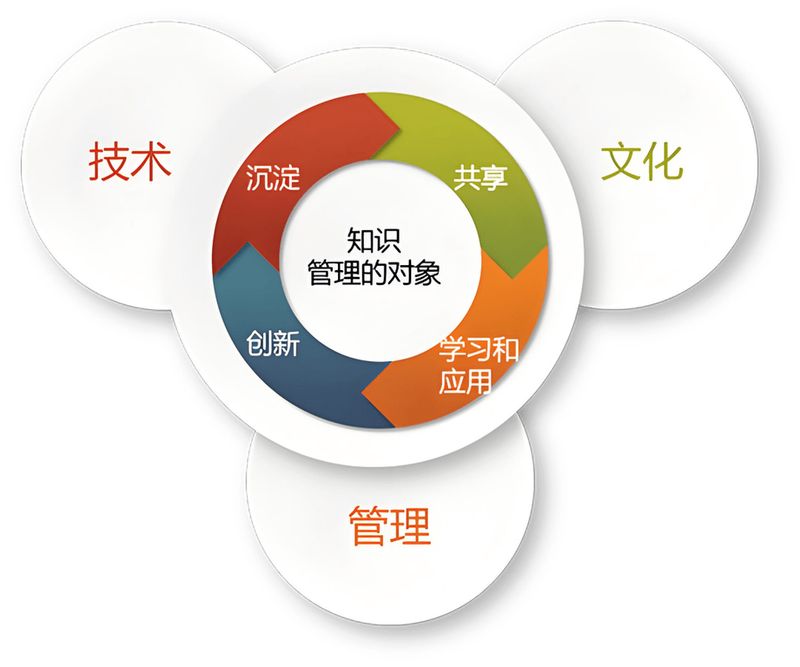
Benefits of building knowledge systems:
Systematic knowledge: by building knowledge systems, fragmented knowledge points can be clustered and systematized to facilitate more efficient learning and application。
Enhanced memory and understanding: by integrating knowledge points into the knowledge system, knowledge linkages and differences can be better understood and knowledge understood and remembered。
Improved efficiency in the application of knowledge: with clear knowledge systems, the required knowledge points can be quickly identified when they are needed to apply knowledge, increasing the efficiency and accuracy of its application。
Promoting innovation in knowledge: through continuous updating and optimization of knowledge systems, new knowledge and perspectives can be continuously introduced to stimulate new thinking and innovation。
Enhancing individual competitiveness: having a well-developed knowledge system can make individuals more competitive in various fields and achieve greater advantages in professional and personal development。
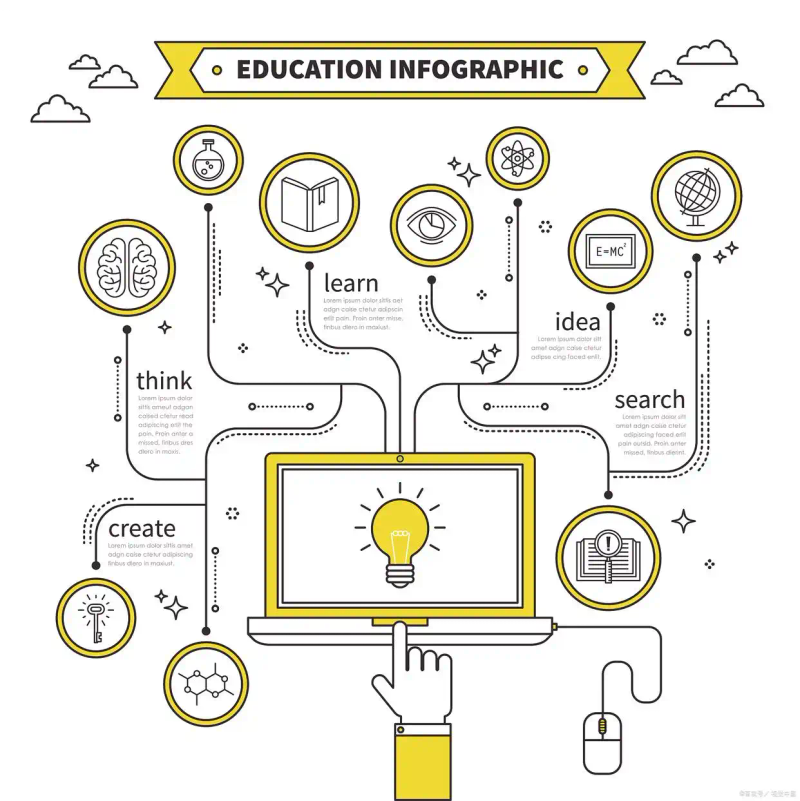
Five efficient techniques for building knowledge systems:
Building a knowledge architecture: the knowledge architecture is a catalogue of knowledge, providing a clear thread and structure for your knowledge system. You can choose to build your knowledge structure using mind maps, structures, knowledge columns, folders, etc。
Enrichment of knowledge: with the architecture in place, there is a need to fill it in. This requires extensive and in-depth reading and learning of the areas of concern and the continuous enrichment and updating of your knowledge base。
Access to rapid reading: rapid reading can help you complete a large number of readings within a limited time frame. Such competence can be developed through continuous reading and through specialized training, such as “emergency special reading memory training”. On the basis of rapid reading, the establishment of morning reading, distance from social media, and the development of a habit of making abstract books and notes can help you to better accumulate knowledge。
Subject reading: if you want to quickly build up your own knowledge system in a particular area, subject reading is the most effective method. This approach can help you to quickly understand basic knowledge and core concepts in an area and build an initial knowledge framework。
Practice and output: applying the knowledge learned to life and work is an important step in building and updating the knowledge system. This not only helps you to understand and remember knowledge, but also helps you to identify gaps and weaknesses in knowledge systems and to amend and supplement them in a timely manner。

Overall, building knowledge systems takes time and patience, but the process can also be fun and satisfying. Once your knowledge system is in place and is constantly being updated and enriched, you will find yourself in a better understanding and appreciation of the various themes and areas, which will greatly enhance your personal abilities and competitiveness。
Books on building knowledge systems:
1 how to read a book by mortimer j. Adler, a classic guide book on reading. The book details different levels of reading methods and techniques and helps readers to better understand and apply the knowledge learned。
Key points of the book:
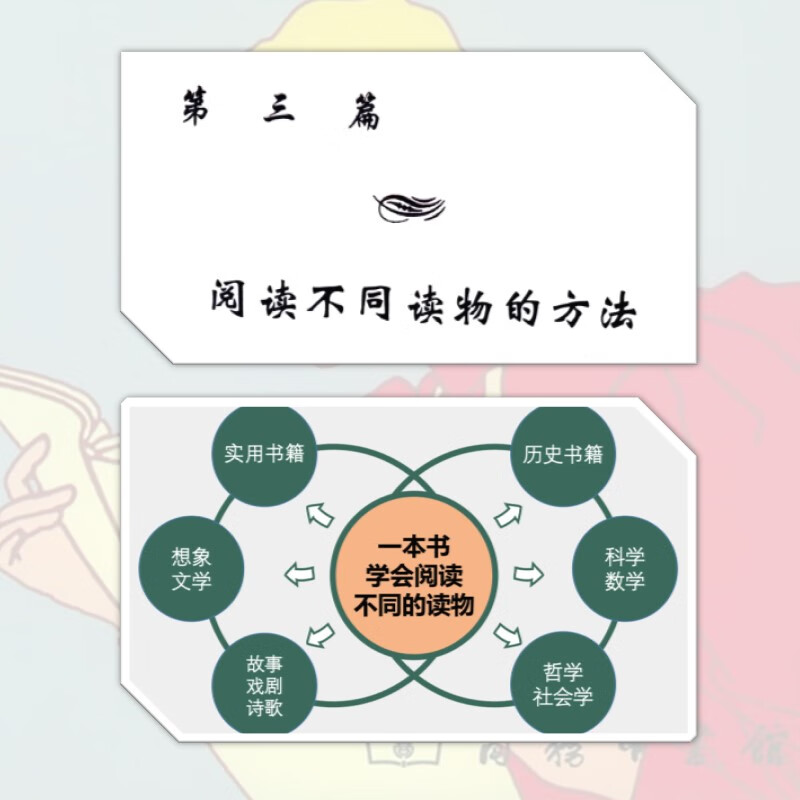
How to read a book? Out
¥41. 9
There's no reason for the kyodong rating to be 88%
Purchase
2. The way of learning: by josh witskin, which is based on the theory of zen and tai chi boxing and introduces learning methods and strategies. The contents of the book help readers to remain focused, reduce anxiety and improve efficiency in their learning processes。
3 intentional practice: by anders alexon, the book focuses on ways to improve skills through deliberate exercise. The contents of the book can help readers to understand how to develop effective training programmes and gradually upgrade their skills。
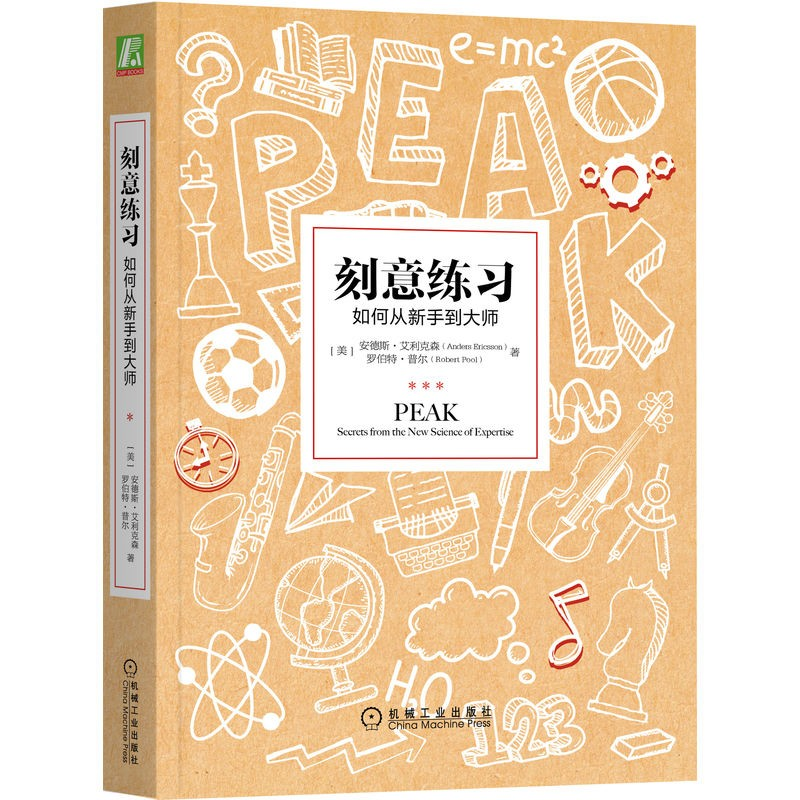
Deliberate exercise: how to select a recommendation from a newcomer to a master
¥26. 5
Kyodong's 71st month sales rate is 99%
Purchase
How to learn efficiently: scott jan, a book that focuses on how to improve learning efficiency through holistic learning. The content of the book helps readers to understand the links between knowledge, build their own knowledge systems and better capture the knowledge they learn。
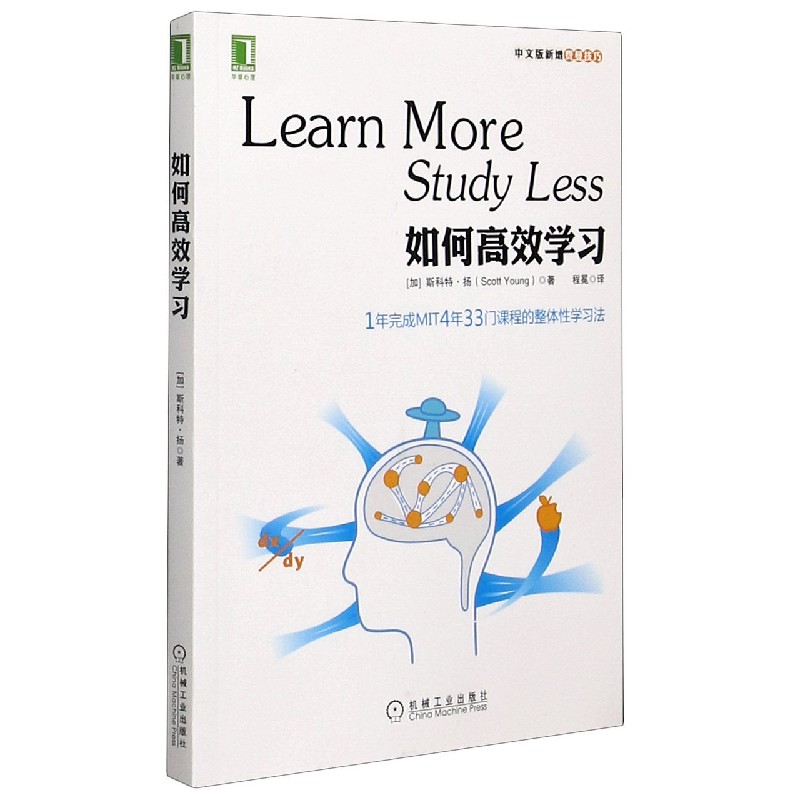
How to learn efficiently
¥33. 7
There's no reason for the kyodong rating to change the flag shop
Purchase
5. Thinking fast and slow: by daniel kaniman, the book focuses on how humans think and how to improve their thinking. The contents of the book help readers to understand the cognitive prejudices and misconceptions of human beings and learn more efficient ways of thinking。

The nobel prize for economics
¥46
There's no reason for the 99% gyeongdong rating to replace the kyeongdong flags
Purchase
These books, which are classics of learning methods and ways of thinking, have been instrumental in building knowledge systems and raising individual awareness。