World hepatitis day
World hepatitis day
On 28 july 2023, the thirteenth world hepatitis day was held, and this year our country's campaign was entitled “assisting on early prevention, strengthening detection and regulating antiretroviral treatment”. In order to further raise public awareness of the problem of hepatitis, society is called upon to take positive action to promote the implementation of comprehensive measures such as early prevention, early testing and early treatment, to improve public health and to combat the harmful effects of hepatitis。

I. What is hepatitis:
Hepatitis is hepatitis. Hepatitis is caused by different causes, most often by viruses, in addition to its own immunisation, and alcohol abuse can cause hepatitis. Hepatitis is acute and chronic. Hepatitis caused by the virus is classified according to its series of viruses as hepatitis a, hepatitis b, hepatitis c, hepatitis d, hepatitis e and hepatitis g, six types of viral hepatitis。
2. What is the role of the liver
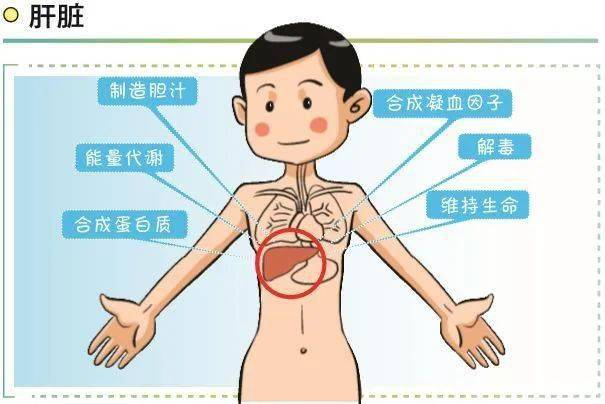
1. To facilitate digestive action, which can facilitate the digestion of gastrointestinal foods through the distribution of cholesterol
2. Be able to regulate and promote metabolism, such as storage of sugar plains and regulation of proteins, fats and carbohydrates
3. Blood-producing functions, especially coagulation factors, are mostly liver synthetic
4. Detoxification in the liver is dependent on the presence of toxic substances, wastes and some toxic substances that are eaten。

What is the impact of hepatitis on our liver health
1. Stress
Hepatitis is a disease that is relatively long and relatively difficult to treat, which can affect work and learning and place considerable mental stress. Because of the difficulty of treating diseases, the economy is burdened。
2. Impact on normal life
The occurrence of hepatitis causes the patient to suffer from systemic inactivity, which can result in many inconveniences to normal learning and work。
3. Damage to the liver
Hepatitis can have a significant impact on the liver health of patients, without effective treatment, and can evolve into cirrhosis or chronic hepatitis, harming the liver health of patients and increasing the risk of liver cancer。
4. Violations of other organ tissues
Hepatitis affects the surrounding organ tissues, causes local tissues to undergo pathologies and induces complications such as diabetes, fat liver and multiple neurosis when severe。
Iv. Early symptoms and manifestations of hepatitis
Declining appetites, poor digestive functioning, bloated stomachs, free from hunger, greasy food, etc。
V. How can the health of the liver be protected
Eating: eating diets, not eating hot meals, eating high proteins, high vitamins, low fat food, not empty stomachs。
In sports, there are frequent exercises, and chronic liver diseases can be used for more relaxing activities such as walking and jogging。
In other respects: remain calm and enjoyable and must be treated in accordance with medical instructions, regularly examined and examined. Avoid the abuse of substances that directly harm the liver (such as hormones, antibiotics, etc.) and health products。

Vi. What are the routes of transmission of hepatitis
There are different ways of spreading viral hepatitis:
Hepatitis a and hepatitis e are transmitted through digestive tracts, such as patients who have mised food or water containing viruses。
Hepatitis b and c is transmitted mainly through body fluids, including blood. Hepatitis b is more prevalent and the main transmission routes include the importation of unclean blood products, mother-to-child transmission, sexual transmission and medical transmission。
Hepatitis c is transmitted mainly through blood input, intravenous drug use and medical transmission。
Hepatitis d virus is a virus that relies on hepatitis b virus for reproduction, and hepatitis b is possible only if hepatitis b is infected。
Vii. The most effective way to prevent hepatitis:
(1) vaccination against hepatitis a and b。
(2) take care of food hygiene and wash your hands before eating, without drinking raw water。
(3) control of diet, maintenance of weight, regular exercise, cessation of smoking and alcohol, rational application of drugs。