


Reducing plastic pollution
Building a low-carbon, green life together
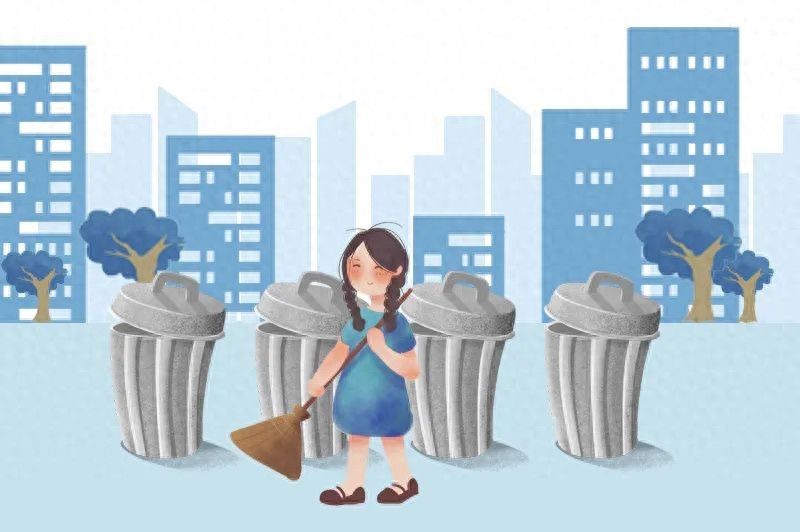
Plastic
A great invention of mankind
The presence of plastic makes our lives easier
But not properly treated plastics
It can contaminate the environment
It's a health hazard
What's plastic pollution
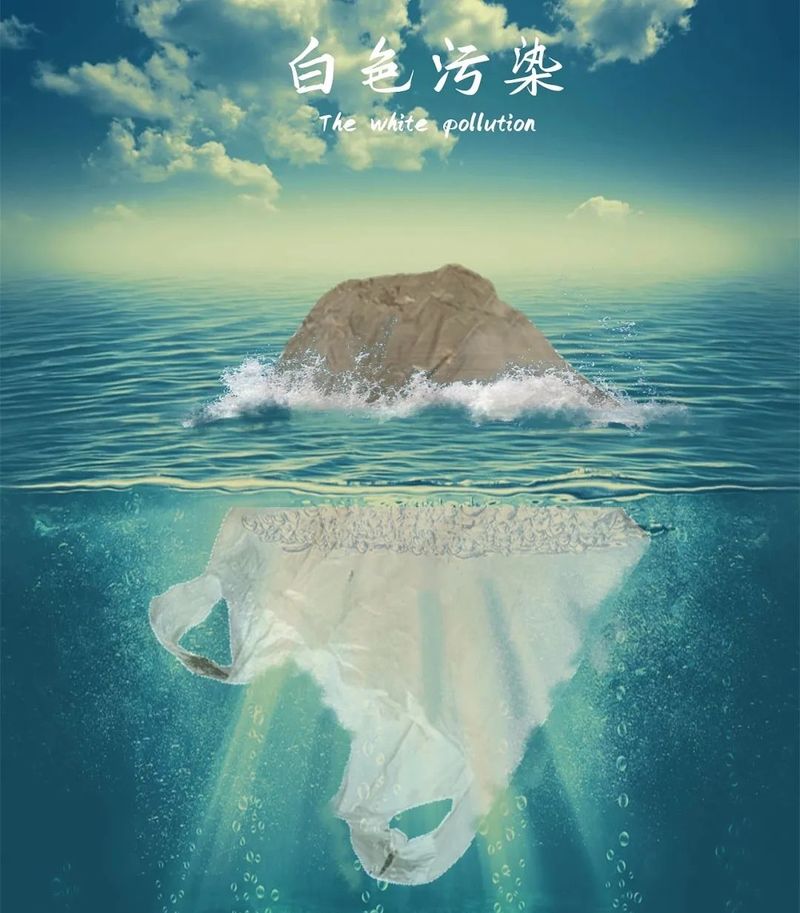
Plastic pollution is white pollution, and white pollution is an image of the phenomenon of environmental pollution of waste plastics. It refers to packagings made of high molecular compounds such as polystyrene, polypropylene, polyvinyl chloride, agricultural membrane, disposable dishes, plastic bottles, etc., that are used and disposed of into solid waste and that are difficult to degrade and pollute the ecological environment and landscape。
How does plastic pollution affect us
I. Visual pollution
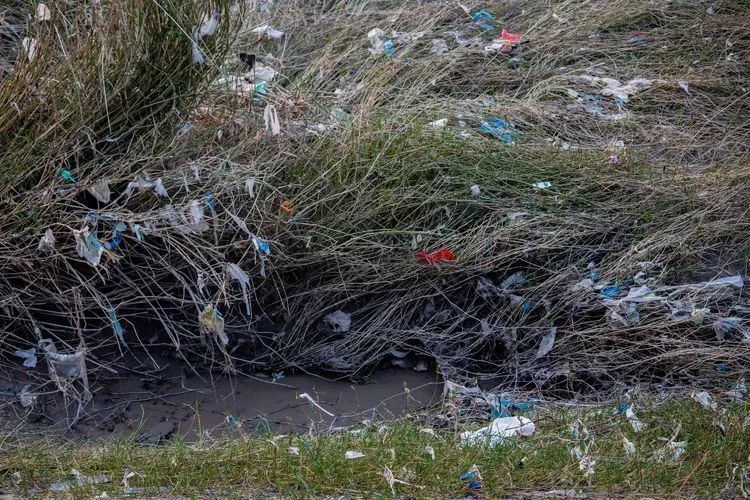
Wasted plastics cause poor visual stimulation, affect the overall beauty of cities, landscapes and damage the city's face and landscape, thereby causing “visual pollution”. Global consumption of plastics is increasing at an annual rate of 8 per cent, with annual consumption of plastics reaching over 700 million tons by 2030。
Marine pollution
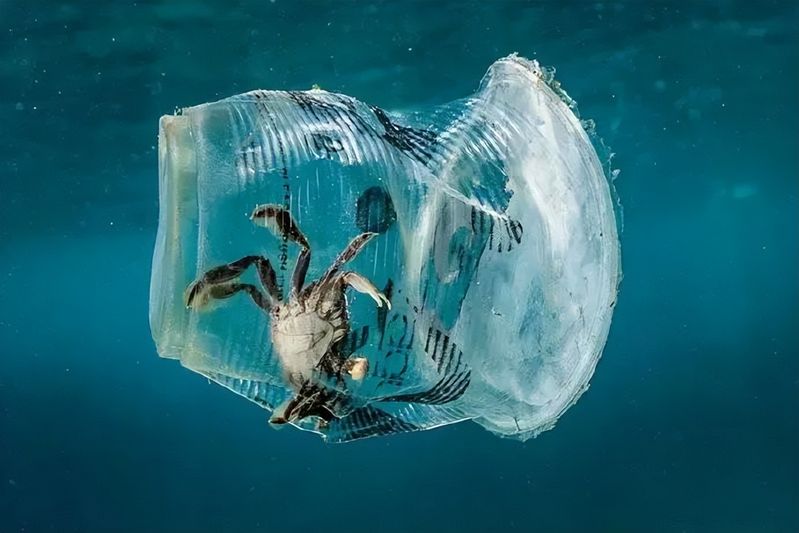
Plastic debris enters the living environment of marine contaminated animals and every year a large number of marine organisms die from the misuse of plastic debris. According to statistics, at least 276 marine organisms worldwide have been killed by the misuse of plastic waste。
Soil pollution
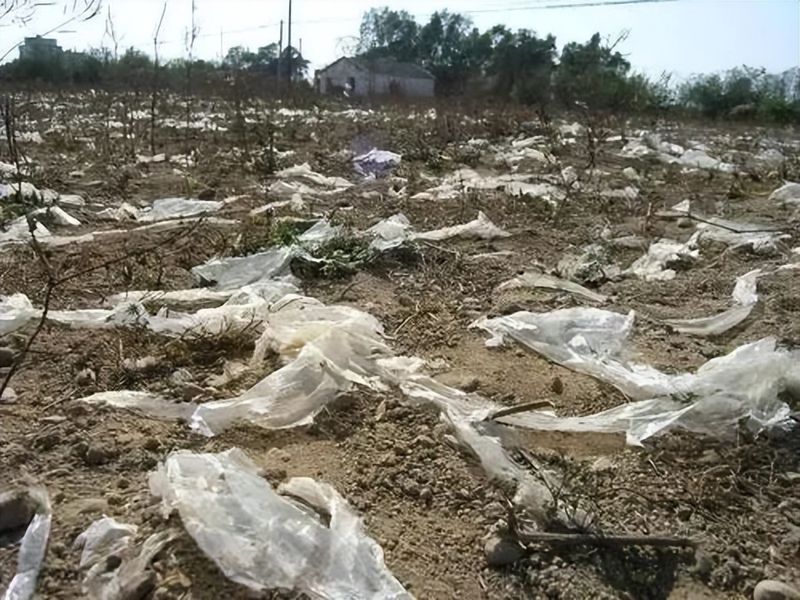
The residual presence of plastics in agricultural land can affect the absorption of moisture and nutrients by crops, inhibiting their growth and development and leading to reduced crop yields. Mass landfilled plastic waste can contaminate groundwater. Because of the low density and size of the plastic membranes, landfills are quickly filled and the capacity to process waste is reduced; on the other hand, because of the soft foundation, hazardous substances such as bacteria and viruses in the waste can easily penetrate the ground, contaminating groundwater and endangering the surrounding environment。
Iv. Microplastic pollution
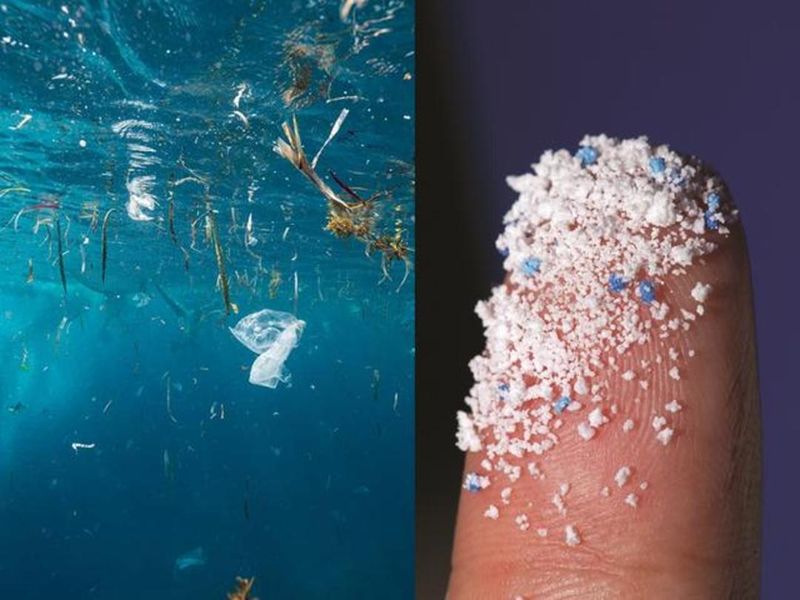
Owing to the difficult degradation of plastics, the persistent presence of small plastic particles in the environment may affect human health, including through feeding and breathing。
So, what can we do
I. Increased awareness of the prohibition of environmental degradation。
From its inception, it has actively supported and promoted the policy of ban on plastics as advocates and practitioners of plastic pollution management。
Ii. Fostering good consumption concepts。
In the event of out-of-home meals, no single plastic knife, fork, spoon, etc., are used, as much as possible, to carry a repeatable dish, and to offer “no” to plastics that do not comply with national regulations, with more tolerance and understanding of the various alternatives。
Iii. A green shopping habit。
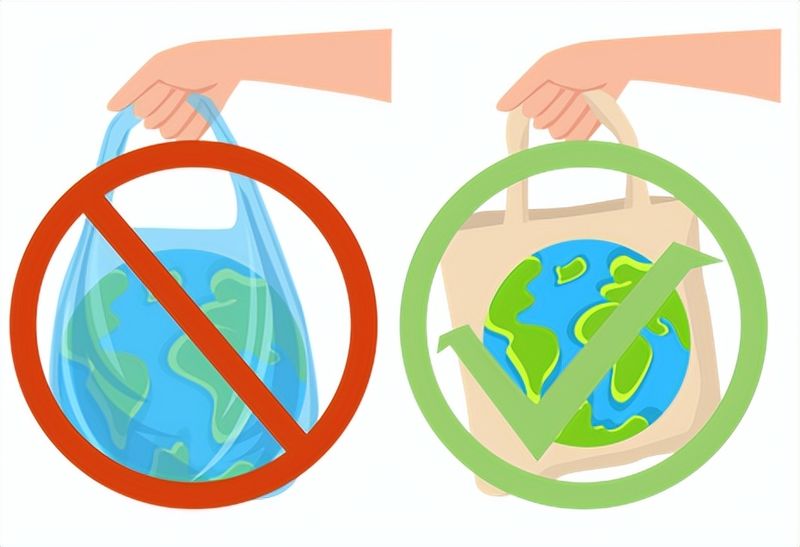
Heavy bags, retrofitted baskets, repeated use of durable shopping bags and refusal to use one-off plastic bags。
Select the green express product。
Reduce the use of non-degradable plastic bags, one-time plastic knitting bags, non-degradable plastic tape etc. And promote recycling of express packaging products。
Voluntary participation in waste classification。
Waste is not disposed of at random, plastic waste is dumped, as much as possible is disposed of, and the resource use of plastic waste is made more efficient。
Vi. Be a good environmental advocate。
Actively participate in environmental protection activities and promote the use of environmental products by families and friends。
Let's go for the reduction



