July 28th, 2023
13th world hepatitis day
This year's campaign is on our side
“assist early prevention, strengthen detection and regulate antiretroviral treatment”

On the morning of 28 july, staff and volunteers of the public health section, located in the first floor of the hospital clinic, distributed information materials on hepatitis prevention and treatment to prospective clients, set up a general awareness section on hepatitis prevention and treatment in the health education promotion window, and used the hospital's large electronic screen to broadcast the theme of this year's campaign, with the aim of further raising the population's awareness of the problem of hepatitis prevention and treatment, calling for social action, promoting the implementation of comprehensive measures such as early prevention, early detection and early treatment, raising the public's level of health and working to eliminate the risks of hepatitis。
In some of the clinics, volunteers and the people who come to the clinics are also promoting hepatitis awareness and distributing leaflets to provide a more intuitive and clear understanding of hepatitis and its prevention, detection and treatment。




Knowledge
What is the role of the liver, as one of the most important organs of the human body, in carrying out important functions in its daily functioning? What is the impact of hepatitis on liver health? How do we protect our liver
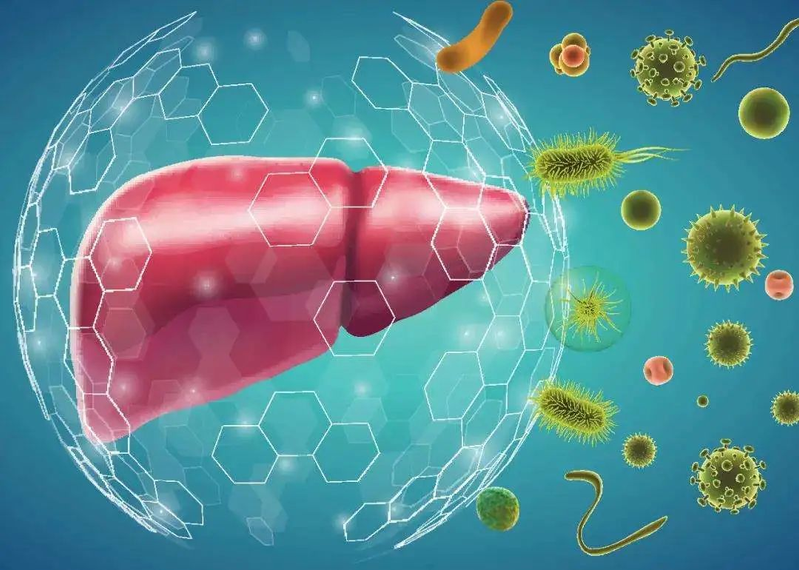
“processing plants” and “waste disposal plants”
The liver is a “processing plant” and a “waste treatment plant” for humans, where metabolic proteins, sugar and fats are converted to the energy needed for humans, synthetic genre juice promotes fat digestion and absorption, and excrete external or internal toxins into substances that are not harmful to the body。
“silent organs”
The liver is also a “silent organ” where the liver cells are not neuropathic, and it is difficult to detect when a disease occurs. Some patients have developed into cirrhosis and even liver cancer as a result of the symptoms of yellow salivation, nausea and inactivity。
Classification of hepatitis
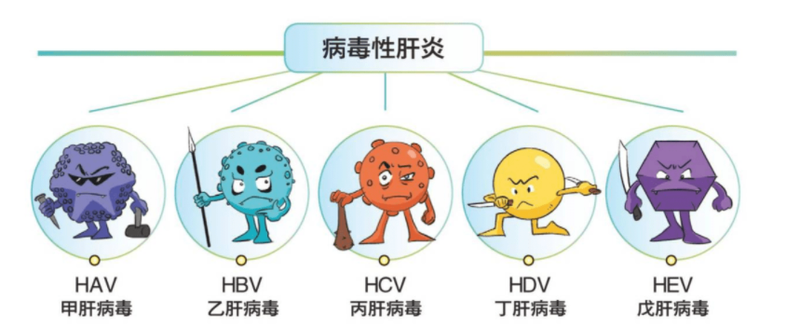
Hepatitis viral: the most common type of hepatitis is hepatitis, which is highly contagious, with five main types of hepatitis a, b, c, d and e. According to statistics, there are about 100 million hb carriers and about 10 million hc infected. Hepatitis b and c are the leading causes of chronic liver disease, cirrhosis and liver cancer。
Alcoholic liver disease: the higher the alcohol intake, the higher the risk of alcohol liver disease。
Hepatic damage: any drug is toxic to the liver, which can be caused by irrational drug use。
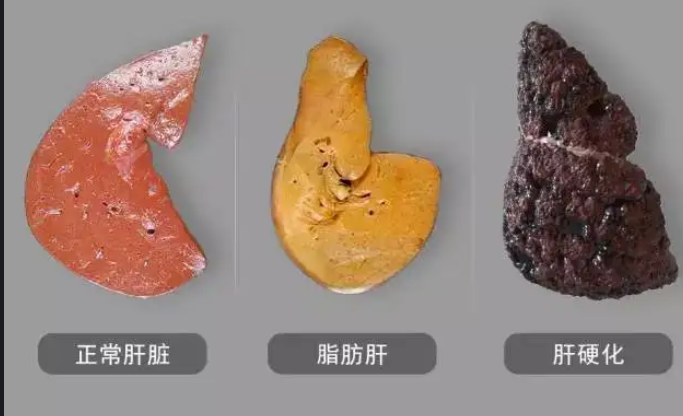
Fatty liver: over-sedimentation of fat in liver cells is mainly associated with inadequate diets and nutritional disorders。
Self-immuno-hepatitis: same as erythroacne, rheumatism arthritis。
Paths to the spread of hepatitis
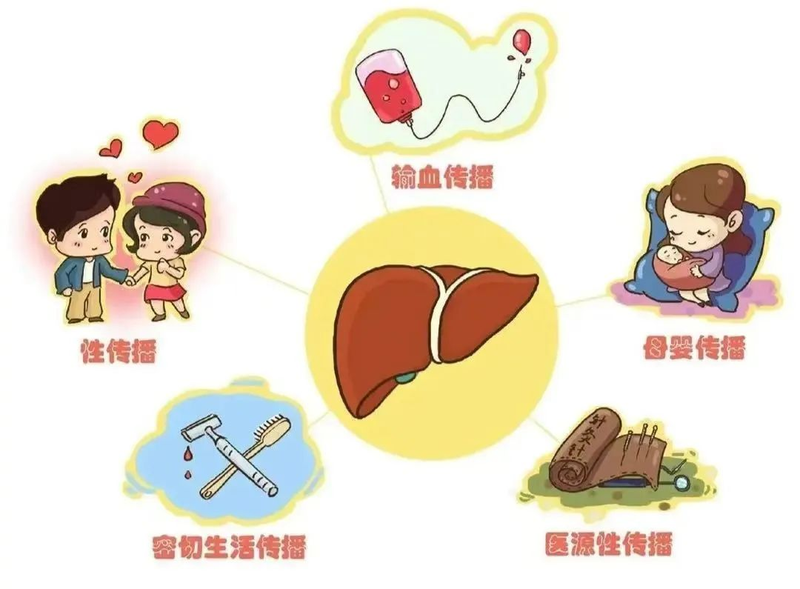
There are different ways of spreading viral hepatitis:
Hepatitis a and hepatitis e are transmitted through digestive tracts, such as patients who have mised food or water containing viruses。
Hepatitis b and c is transmitted mainly through body fluids, including blood. Hepatitis b is more prevalent and the main transmission routes include the importation of unclean blood products, mother-to-child transmission, sexual transmission and medical transmission。
Hepatitis c is transmitted mainly through blood input, intravenous drug use and medical transmission。
Hepatitis d virus is a virus that relies on hepatitis b virus for reproduction, and hepatitis b is possible only if hepatitis b is infected。
Hepatitis prevention
Hepatitis a and e, be careful to “invent the disease”。
Hepatitis a and e are infectious diseases of “fast-to-mouth”. The virus is excreted from the excrement of the patient and causes disease transmission or epidemics by polluting water sources, food, utensils, etc. Precautions for hepatitis a and e must be hygienic, hand-washing and free from eating raw food。
The main modes of transmission of hepatitis b and c are blood transmission, mother-to-child transmission and sexual transmission. However, normal working, learning and life contact, such as handshakes, hugs, shared dormitories, meals in the same restaurant and shared toilets, are not exposed to blood and generally are not exposed to hepatitis b and c viruses。
Hepatitis b vaccination is the most effective method of preventing hepatitis b infection. Hepatitis b patients are recommended for specialized antiviral treatment in cases of repeated aminoase rise, or hepatoorges that indicate hepatitis necrosis and fibrosis. Hepatitis b can be controlled in the long term and, while it is not possible to remove the hepatitis b virus completely from the human body, clinical cures can be achieved through antiretroviral treatment。
Hepatitis c does not yet have an effective vaccine but can be cured. The majority of hepatitis c patients have no visible symptoms and signs, and early detection is the only way to detect hepatitis c. All hcv-rna positive patients should be treated. More than 95 per cent of hepatitis c patients are fully cured through standard antiretroviral treatment
Fatty liver is the result of unhealthy living habits, such as overnutrition, irregular diets, drinking and eating. Without attention, it takes only four steps from fat liver to liver cancer: pure fat liver (the initial stage of fat liver) fat hepatitis fibrosis and cirrhosis liver cancer。
Light fatty liver, the best method being to control diet, regularity, moderate exercise and alcohol aversion; medium and heavy fat liver, recommended for treatment in the specialist consultation system。
Love the liver
1. Regularity stays up all night
2. No smoking, no alcohol
Three. Food hygiene. No bad food
4. Healthy diets to avoid high fat, high calorie diets
Five, multi-motor. Not too heavy
6. Avoiding substance abuse and rational drug use
7. Rejecting drugs, avoiding unnecessary injections, blood transfusions and use of blood products
8. Vaccination against hepatitis
9. Periodic liver examinations and active treatment of chronic liver diseases