


In recent days, the buddha's handmeaser planting base in the village of the abandoned wood factory, the vines spread over the fields and the swabs spread. Villagers, wearing straw hats and baskets of bamboo, are picking the tip of a melon, and this green field is laying new paths to rural regeneration。
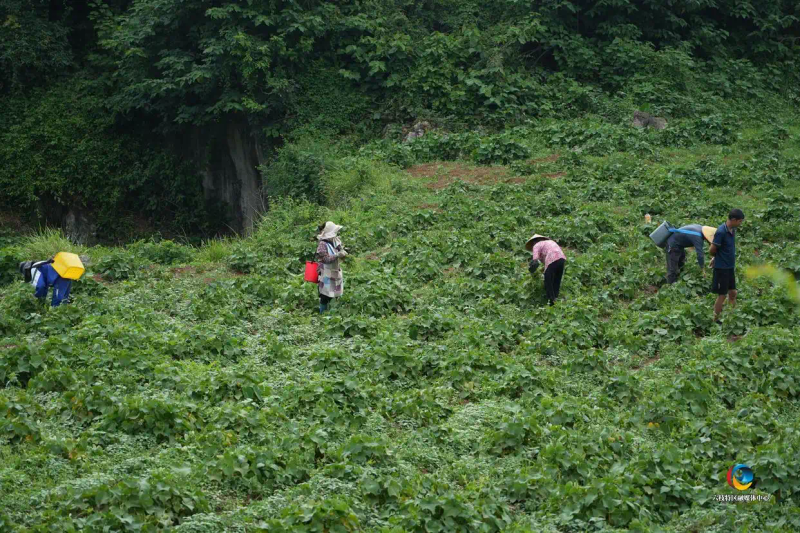
Villagers are picking the tip of a melon
In this thriving green field, villagers zhou's nation-building is called the “first crab eater”. Three years ago, he pioneered the conversion of two acres of test fields into “rich-throwing test sites”, and the cultivation has now expanded to 15 acres. Referring to the original transition decision, the rich leader opened the memory switch。
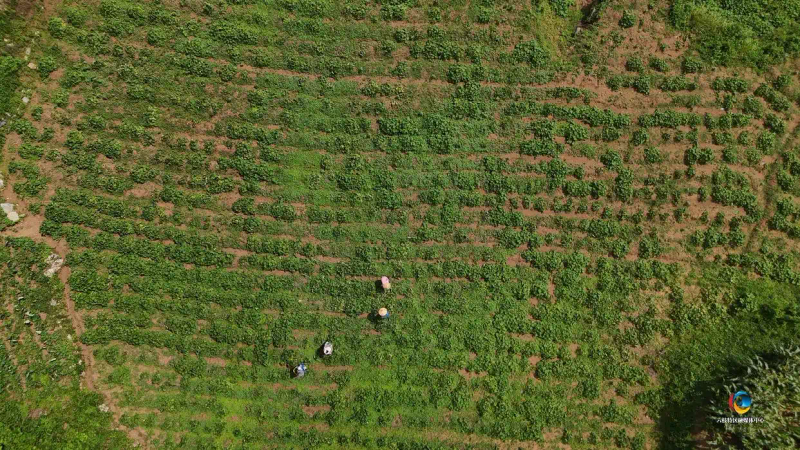
The buddha's guata
The villagers of the village zhou built up the country, saying, “we learned at the time that we were studying and learned that the growing of the tamarinds was more economical than the growing of maize, and that each acre was about $2,000 higher than the value of the corn, and then decided to grow the taguts. Cultivation has been expanded this year to include about 14 acres, which will be sold to supermarkets and coastal areas.”
It is understood that this “one-time input, many years of benefit” of buddha's melon, with its 58-year-old long and eight-month-long harvest period, has created a unique industrial advantage. Under the three core competitive advantages of “low inputs, high returns and green health”, traditional crops are in short supply and are particularly suited to the development of niche farming industries in rural areas。
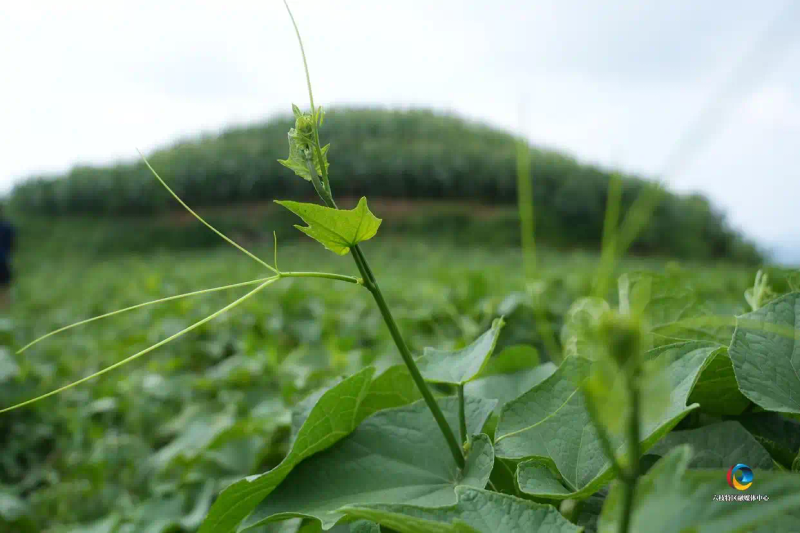
It's a stick
Under the model of nation-building in zhou, the cultivation of buddha's handmeasure grew as fast as the fire. In its first year of seeding, the villagers dared to plant 17 acres as a dynamic new army in industrial development。
“i planted about 17 acres this year, better than maize. When the buddha's melon is priced, it sells it to two pounds more, and 17 acres make $78,000 a month.”
The midday sun is filled with shining gold in the pagodas, crouching under the shade of vines, with knives on their hands and a few finely removed weeds. This one, which insists on artificial weeding, produces a good quality of the sharp edge of the buddha's hand and protects the land below its feet, so that the “security on the tip of the tongue” and the “benefits on the earth” are comprehensible. This “one-year, ten-year” “slugger crop” is slowly reshaping the context of agricultural growth in mountain areas。
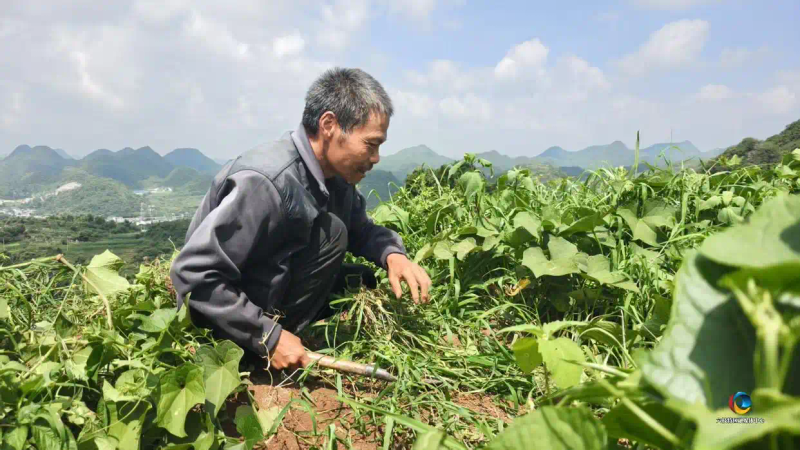
Luo yong is picking up the weed
“this year there are about 15 farmers in the woodwork village who are growing buddha's gourd, amounting to more than 60 acres. The buddha's handmeasure is a multi-year birth and can be grown for 10 years a year, so it is more profitable than the traditional industry.”
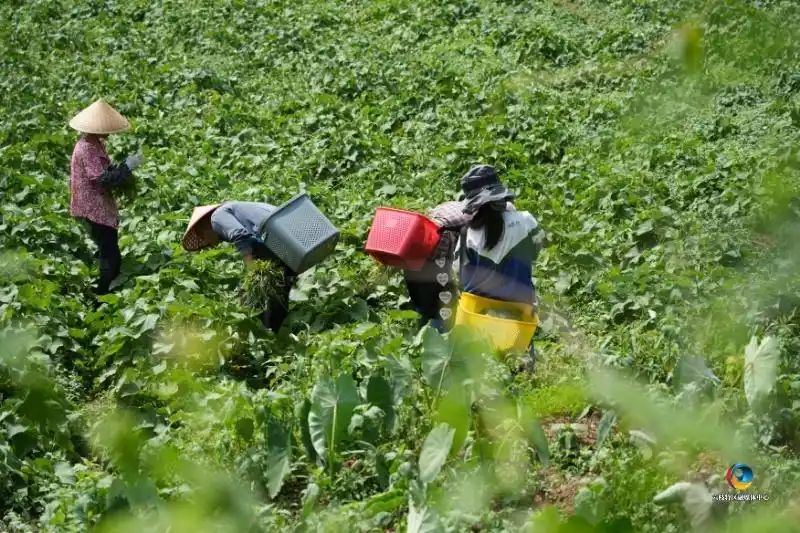
Villagers are picking the tip of a melon
Industrial revitalization is the core engine of rural revitalization. In addition to completing the shift in value from the green water green mountain to the silver hills of the golden mountain, the woodwork village of itofor, has created a new path to sustainable mountain agriculture. This green industry, which is “low-investment, quick-impact and stable”, is becoming a powerful new anchor for rural revitalization。
Reporter at the six special administrative region media center: pusumi licheng zhou lan sheyou fei wang (internship)
First instance, zee
Second instance
Han jiang feng



