


In recent years, the town of puding county, based on resource endowments, has been engaged in the construction of a three-part rich industry, characterized by tea, onions and beauties of buddha's hand. The tea is fragrances, onions and beauties of buddha's hands, and rural development has been revitalized with industrial revival. On the vast fields of the town, a thriving industry and a rich village of the people have been rejuvenated with a painting of beauty。
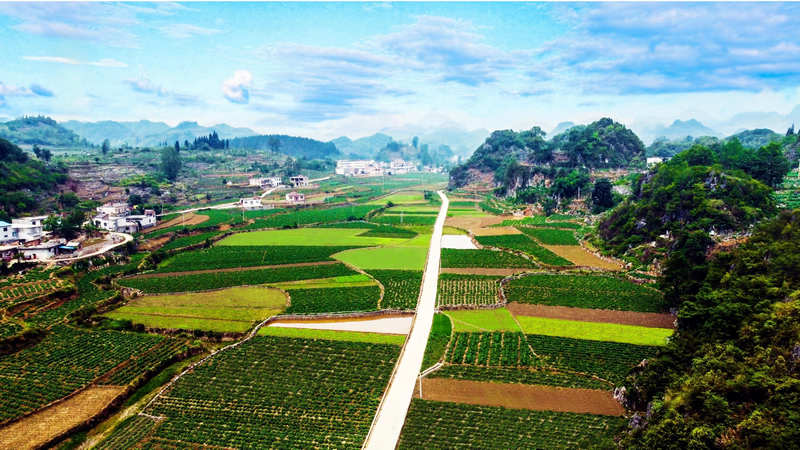
In the qana community, the bogua point plantation base。
Tea — “golden leaves” in cyansan, with the result that the union of rural and agricultural producers promotes growth
Tea and tea production have a long history, and the resources of tea are unique. The dobé tea is the oldest, most extensive and most cultivated agricultural, specialty and rich industry. The tea industry in the town of choshi has developed steadily in the form of a “corporate (household)+base+farmer” model, resulting in a radiation-intensive pattern of tea cultivation. The whole town has more than 12,000 acres of tea and more than 5,000 acres to be harvested. The core areas are concentrated in the villages of dobé, rousseau and zhang, and are radiation-driven in a number of villages, such as the white fruit, the zhui family and the mouth, resulting in planting rings covering more than 50 per cent of the village level。
In terms of efficiency, tea is called a “green bank”. The mammoth acre is about 10 pounds, the high green acre is about 100 pounds, and the harvest period has continued from late march to late july, allowing steady sales throughout the year. Although new tea plantations did not produce for the first three years, production increased every year from the fourth year to a steady production period of about six years. Since 2024, the market price of mao feng has been about $1,000 per pound, the high green tea has been about $150 per pound, with a profit of over $17,500 per acre and an annual output of $250 million, with significant economic benefits。
In terms of benefit linkages, the tea industry provides adequate employment opportunities for the local population. More than 10 working hours per acre of tea garden maintenance, approximately 1,000 workers per day for the pick-up season and an average daily income of about $130 for workers. In addition, poverty-stricken and monitoring households have been able to derive a steady gain of 300 yuan/circumir through land flows, which has truly achieved “a leaf-rich people”。
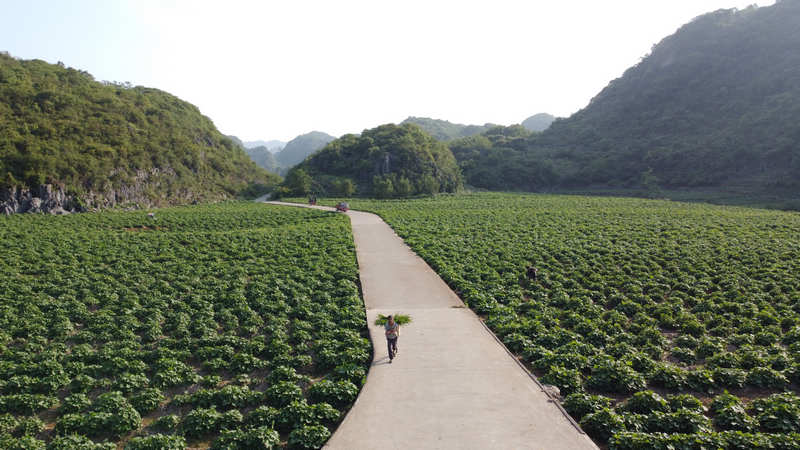
The buddha is sharp。
The buddha's hand is so sharp, it's so delicate, it's a multi-billion dollar
Using the model of large-scale shifting operations combined with the spontaneous cultivation of farmers, the buddha's melon industry forms more than 1,500 acres of core growing areas in the qana village, covering most of the town's villages. The products are also distributed through vendors, with high market recognition。
In the qana community, pedagogic cultivation, ranging from non-existent to small, is now an important source of income for villagers. Initially, a small number of farmers tested their crops, and a few acres on a small scale, ambushed subsequent developments. Over time, the villagers have mastered planting techniques in practice, more people have seen hope, older people have become involved, a source of income has been added, and young people returning to work abroad have joined the cultivation team. The villagers of the qana neighbourhood, yuan huan, said, “we've grown the twilight of buddha, we've had our backs filled, young people have returned, the village is full of excitement, and the days have passed.” from dozens of acres to hundreds of acres, and now 1,500 acres, the crowds of qana communities have demonstrated in almost 10 years that small vegetables can also generate enormous energy。
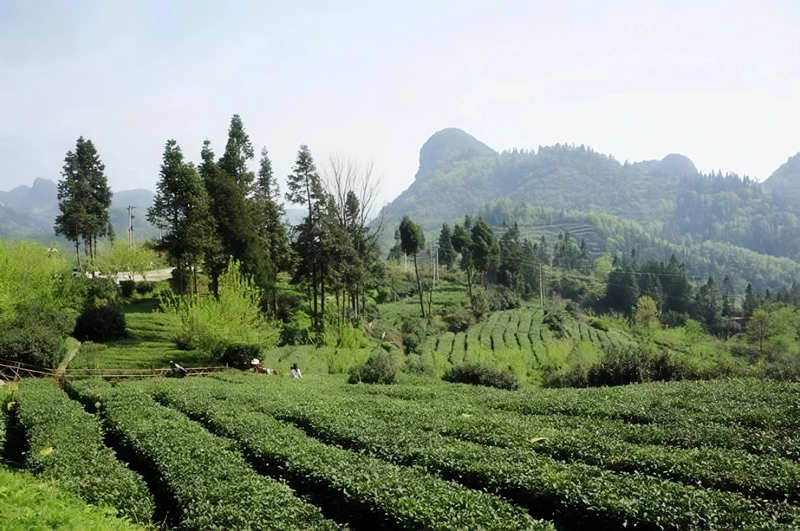
Tea hill。
As a friendly crop of the “landless economy”, the pick-up of the pick-up can be carried out for five consecutive years once planted. The average annual acre production amounted to 6,000 pounds, the sale period continued from late april to late october, with a wholesale price of approximately 2. 2 yuan per pound in 2025, with a profit of 8,000 to 12,000 yuan per acre and an annual value of 20 million yuan. With regard to the cost of planting, the new acre cost about $1,000, and the annual cost of care is about $1,000, with a small investment and a steady return。
In terms of boosting people's income, the buddha's handicraft industry is not bad. Six cold-chain logistics centres have now been built in the qana community, where villagers bring fresh picks of buddhist handmeat to the site on a daily basis and are then acquired and sent throughout the country. While operating efficiently, these centres also provide a large number of jobs for community residents, requiring some 200 workers per day during the pick-up season, with an average daily income of 160 yuan for workers and easy “petty money” for hard-working hands。
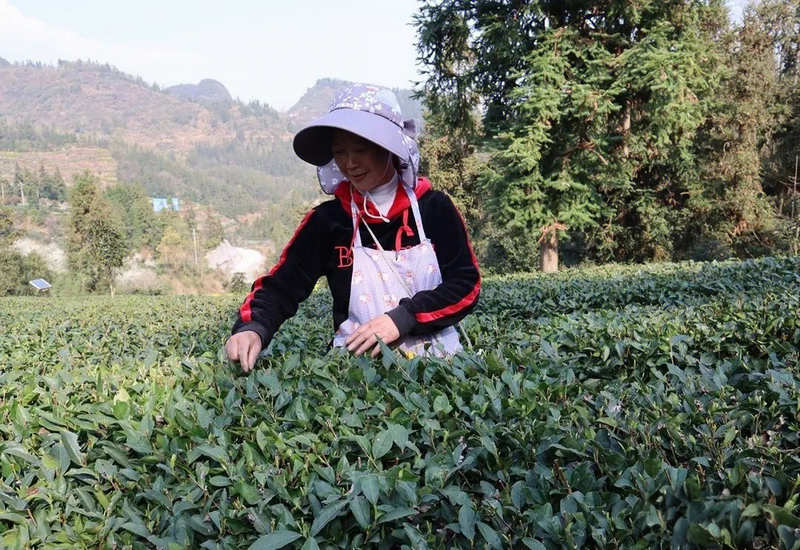
Tea。
Onion — green green and green fields — four seasons of good harvests
The onion industry in the town of côte d'ivoire, with its “corporate + base + market” model to match demand, has grown more than 2,000 acres throughout the town, has grown core areas into the village of côte d'ivoire, and has built more than 800 acres of core cultivation in the village of côte d'ivoire. Products are distributed mainly through vendors, and the chain of production and distribution is smooth and efficient。
Onion is a truly “short and flat” rich industry. One acre produces about 3,000 pounds, four per year, with an average annual acre production of up to 12,000 pounds, with an annual profit of over $60 million and a strong industrial profitability. The development of the onion industry allows the surrounding population to work outside their homes to raise incomes. One onion worked about 800 times, bringing in more than 200 households throughout the year and earning more than $20,000 per person per year. Walking into the onion plantation of the village of yokoa, the radiant onions came to the surface, looked away, and a piece of onion was covered in fields, full of eyes. Dozens of staff are busy pulling up onions and picking them up, sitting on small benches, pulling them with smiles and laughter, carefully sorting out the onions in their hands, and a lively and pleasant scene. The green onions of the four seasons became the “rich onions” of a steady increase in the population。
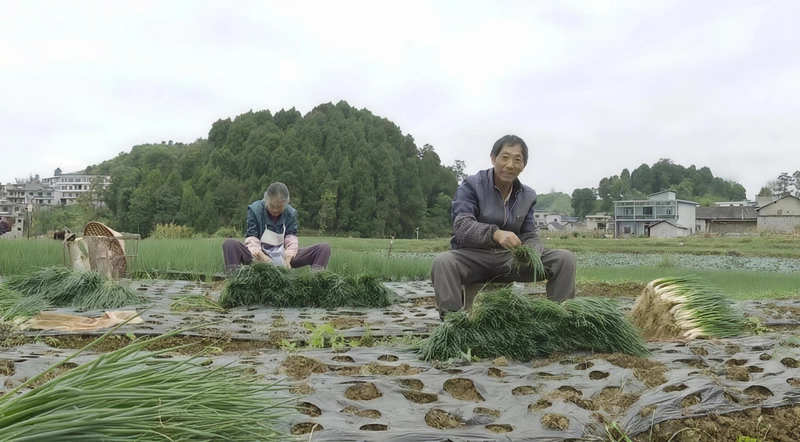
Villagers pick onions。
From the tea in the mountains to the floor, to the onions of the field, the town of cinnamon uses the specialty industry as its ink for its work, with a vivid note on the “receiving of the rich” on the rural rejuvenation. The leaders of the three branches of industry and their concerted efforts are driving the town towards the goals of “industrial prosperity, prosperity and rural beauty”. (man/toon)



