Every parent wants their children to grow up healthy and happy, and health is not just physical, but mental health is equally important. In recent years, children's mental health has received increasing attention. Psychological distress such as anxiety, depression, attention problems, behavioural problems are not uncommon among children. As parents, how to detect the psychological problems of the child in a timely manner and how to help the child develop a healthy psychological quality is the subject of continuous learning. This paper will provide you with information on the mental health of children and help you to better protect their spiritual development。
First, let us understand the standard of mental health of children. Mental health is not just “free from mental illness”, but includes being able to understand oneself correctly, to establish good relationships with others, to cope with life's stress and frustration, to learn and grow. A child with mental health often has the following characteristics: relatively stable emotions, able to express his or her emotions properly; curiosity and interest in life and learning; ability to establish good relationships with parents, teachers and friends; some resistance to stress and difficulties to face positively; and confidence that he or she can do good。
In reality, however, many children are experiencing psychological distress. Child anxiety is one of the most common psychological problems, manifested in excessive fear, stress, fear, which may be accompanied by physical symptoms such as headaches, stomach pain, panic. Depression is also rare among children, manifested in persistent depression, declining interest, changes in sleep and appetite, self-incrimination and even suicidal tendencies. Another common psychological problem for children is hyperactivity disorder (dvd), which manifests itself in a lack of focus, motivation, motivation and influence on learning and social interaction. Behavioural problems, such as opposition and behavioural disorders, also plague families. An autism spectrum disorders affect children's ability to socialize and communicate。
So, how do you find out about the child's psychological problems at an early stage? This requires parents to watch carefully the changes in their children. Watch children's emotional changes: are they especially a crybaby, prone to anger, or, conversely, silent? Watch out for changes in child behaviour: is there any withdrawal behaviour (e. G. If a child who already eats for himself is suddenly feeding), is the sleeping diet normal, or does it avoid socialization or certain occasions? Attention to changes in children's education: has there been a sudden decline in achievement, is there a reluctance to attend school, and is there frequent complaints about learning? Attention to child-to-person relationships: is there a sudden alienation from friends and a confrontation with parents? When these changes persist and affect the day-to-day functioning of the child, it is recommended to seek professional assistance。
The causes of psychological problems for children are often multifaceted. Genetic factors play an important role, and some psychological problems are family-based. Biological factors such as neurotransmitters of the brain are also relevant. Environmental factors are equally important: family harmony, proper parenting, excessive school stress, good peer relationships, traumatic events, etc. Understanding these factors helps us to target prevention and intervention。
The prevention of psychological problems of children needs to be addressed in several ways. First, to create a good family environment. The harmonious relationship between parents, the care and respect of the child, and the democratic but limited manner of education are all factors protecting the child's mental health. Second, to develop the emotional management capacity of the child. Help children to recognize and express their emotions and teach them to deal with negative emotions in a healthy manner. Thirdly, the development of child problem solving and stress resistance. Let children experience the right setbacks and teach them to respond positively, rather than overprotecting or abandoning them. Fourth, ensure adequate sleep and exercise. Physical and psychological influences each other and a healthy lifestyle underpins mental health. Fifth, focus on the peer relationship of the child. Help children learn to live with people and deal with interpersonal conflicts。

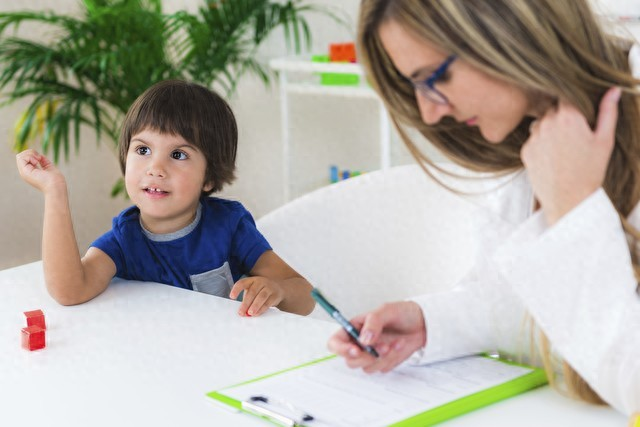
What should be done if the child was found to have psychological problems? The most important first step is to seek professional help. Assistance is available to paediatricians, psychologists, psychiatrists, school psychologists, etc. Professionals conduct assessments to determine the nature and extent of the problem and then develop corresponding intervention programmes. Psychological intervention (psychiatric therapy) is the main method of treatment for psychological problems of children and, depending on the type and severity of the problem, different treatment techniques are used, such as cognitive behaviour therapy, play therapy, family therapy, etc. In some cases, drug treatment is also a necessary option. Parents need to be properly aware of these treatments and actively cooperate with professional guidance。
As parents, what can we do? First, accept and understand children. Do not be ashamed or blame the child for having psychological problems. Second, learning about it. To understand the problems faced by children and understand their feelings, which can better help them. Third, maintain good communication. Listen to children and respect their feelings, even if they cannot fully understand, at least let them know you care. Fourth, provide a stable and supportive environment for children. Regular living, adequate care and adequate spaces for self-reliance are essential conditions for the rehabilitation of children. Fifth, take care of yourself. It was difficult to raise a child with psychological problems, and parents needed support to seek help from their families, friends or professionals。
Finally, most of the psychological problems of children are better predicted if they are identified early and timely. The key is parents' careful observation and correct response. While safeguarding the child's health, do not forget to focus on the child's spiritual development. May every child be tenderly treated by the world and have a healthy and happy heart。