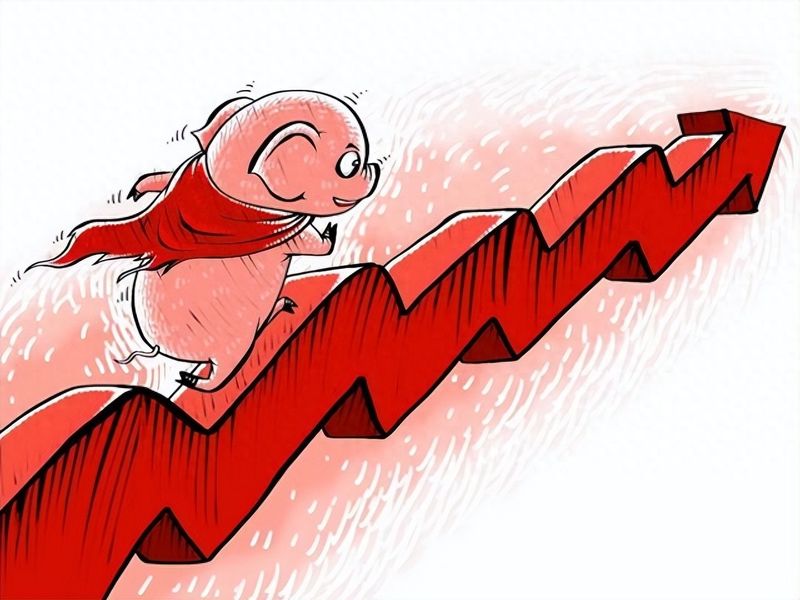
In recent years, steel prices have risen significantly for a variety of reasons。
First, growth in demand is an important factor. Demand for steel has increased significantly as domestic infrastructure has progressed, the real estate market continues to develop, and manufacturing has expanded. In particular, in the start-up of some large-scale engineering projects, the demand for steel is enormous, thus contributing to price increases。
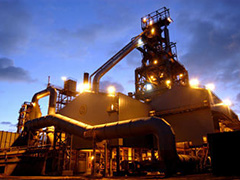
Second, the rising cost of raw materials also had an impact on steel prices. The price volatility of iron ore as the main raw material for steel production is directly related to steel costs. In recent years, the rise in iron ore prices has increased the costs of steel producers, which in turn is transmitted to steel prices。
Moreover, the strengthening of environmental policies has led to the closure or rehabilitation of some small steel plants, which has reduced the supply of steel to some extent. At the same time, in order to meet environmental standards, steel plants need to invest more in upgrading equipment and technological improvements in the production process, which also increases production costs and leads to higher steel prices。
In addition, changes in the global economic situation and tensions in international trade have had an indirect effect on steel prices. For example, trade friction may lead to changes in steel imports and exports, thus affecting the balance between supply and demand in domestic markets。
The increase in steel prices has had a wide and far-reaching impact on the relevant industries。
For the construction industry, the rise in steel prices directly increases construction costs. This may result in budget overruns for some projects, delays in project progress or force construction enterprises to find alternative materials to reduce costs。
Steel is an important raw material in manufacturing industries such as automobile manufacturing and mechanical manufacturing. Higher prices increase production costs and business profits are squeezed. Some enterprises may transfer costs by raising product prices, but this may affect the market competitiveness of products; others may reduce production or optimize production processes to reduce costs。
In the area of infrastructure development, rising steel prices may affect the pace and cost of construction of railways, roads, bridges, etc. The government may need to adjust its planning and budget accordingly。
The following is a brief comparison of the impact of higher steel prices on some related industries:
Direct industry response strategies
Construction
Cost increases, project budget overruns
Finding alternative materials, optimizing design
Manufacturing
Production costs rise, profit compression
Improving product prices and optimizing production processes
Infrastructure development
Impact on construction progress and costs
Adjustment of planning and budgeting
In sum, the sharp rise in steel prices has not only affected the costs and profits of the industries concerned, but has also contributed, to some extent, to their adaptation and innovation in response to this market change。