My personal online shop, some of which was co-financed on 1688, and after a buyer's order, i went to a co-contractor on 1688, and the co-contractor shipped the goods directly from the factory, so that the problems and costs of storing the goods in the middle could be reduced
Here is the experience that when a buyer purchases, whether it has problems with the quality of the goods or not, it can apply for refunds on the grounds of the quality of the goods, especially when the buyer’s own reasons have spoiled the goods, and there is also a high probability that the refund will be realized. Why do you say that? Because i'm a businessman, i've had some of these things, and i can't complain。
For example, the fact that goods are being used inappropriately by buyers is not a major problem, and i have told them that they can be recovered under maintenance, but the buyer says it's a quality problem, it's returned, and the poaching platform agrees to return the money. I get feedback from customers, i get feedback from the buyer's own video, and from the buyer's feedback, because of the damage caused by the buyer's own improper use, which is not a quality problem. However, the platform has agreed to refund the goods, and when the goods are returned, the customer service will be careful to record the breaking video and file a complaint。
What i started to think about was that the buyer had problems with the use of our goods, which, although it was certain, was caused by the buyer's own “liver”, which was not used properly, but after all, when the goods were returned, i could not sell them twice, and i could return some of them as comfort. If she needs it, i'll return it. After all, there's no need to get into a business situation。
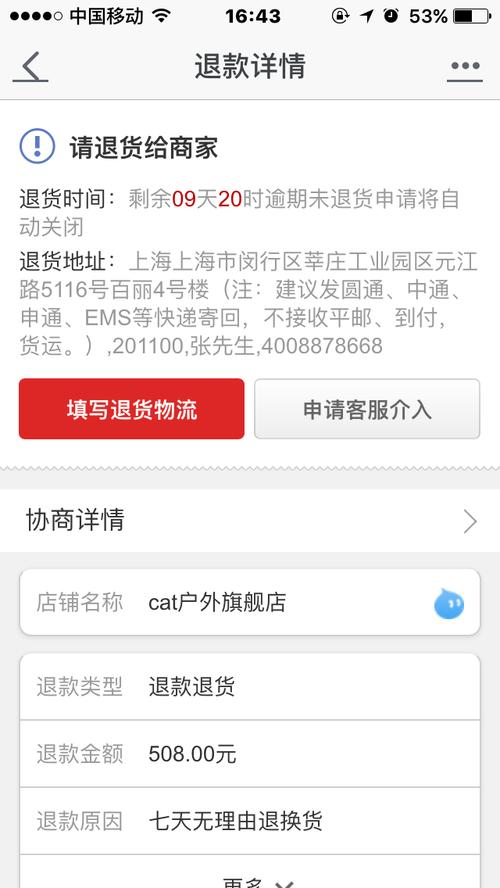
But what i didn't expect was that when the cargo flow was returned to the sign-off, the platform informed me that it had returned the money to the buyer。
The question must be asked: who in the middle has checked it, is it really a commodity problem
The process is followed by a platform for complaints and submissions of various kinds: 1688 purchase orders, cargo flow logs, refund flow records, communication logs with buyers, videos made by buyers themselves, photographs of parcels received, instructions on how to use them when shipping. Only no invoices were submitted. Because of the higher price of the bill and the difficulties involved, these small bills, which are issued on a daily basis, are not open, and people are in trouble. A large number of incoming bills are needed to obtain a ticket。
Who knows, just because there are no invoices, the platform will give feedback on the outcome of the appeal a few days later: the complaint will not be supported because “no valid receipt has been provided”
What do you mean, no valid receipt? The goods were shipped directly through the 1688 line-to-line route, and the 1688 line-to-line line-to-line connection must have been unsupported. The 1688 purchase order corresponding to the purchase order for the treasure-to-poaching order should have been a valid receipt. However, it does not admit that this is a valid entry certificate, so in such a case, the seller has to rely on the supplier to issue the invoice or stamped supporting documents。
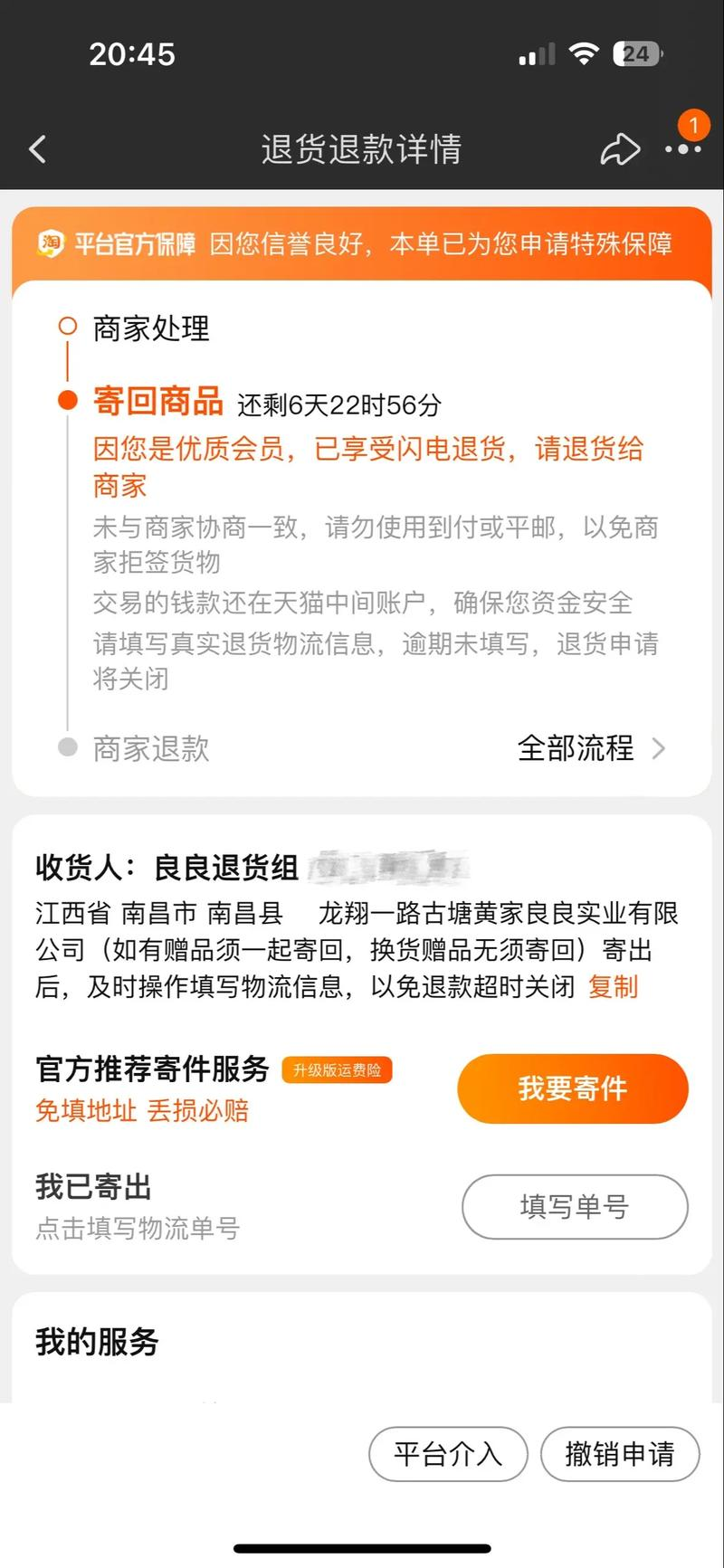
It would also be reasonable, but practically difficult。
Both the quantity and the unit price of the substitute are small, and most suppliers would not have issued documents at all, not to mention the fact that they were required to do so for a return. Of course, the supplier could be forced to open, and if not, the 1688 platform could be approached and the supplier would have to open as a rule. However, this could lead to a breakdown in the relationship between small vendors and suppliers as distributors. The good thing is that, because of the low unit price, the loss of refunds is not significant for the supplier, and the chamber of commerce chooses and negotiates with the distributor that you bear the freight charge, and the refund deducts the freight charge, and i will pay you back. What's worse is the breakdown of distribution. At this point in time, the small shoppers who distribute the goods have to agree. On the other hand, on the other side of the platform, the buyer is supported to refund the goods in full for lack of valid documentation, and the price is borne by the treasurer。
The result, therefore, is that the buyer uses the goods badly and that any request for refunds based on the quality of the goods is highly probable. Because the platform will implicitly support the buyer's refund, and even if the buyer goes to the treasure-hunting platform, the treasure-hunting platform will take the card directly. In the “submission of valid documents”, it is impossible to verify whether the damage was caused by the buyer or by the quality of the goods
If a small shopkeeper doesn't have a chance to complain, he'll have to take it for granted. Blame who
Strange sourcer? People don't force you to distribute, they can write you papers, but they have to raise the price. You don't do it because you're high in price, you're gonna have to raise the price you're selling to consumers, and all the other traders are on paper at no price. Nice try。
Strange consumers? Of course, it's the damage caused by the improper use of the consumer, but it's also in their own interest to buy something that's broken
Strange platforms, of course, from your point of view, have no problem with your goods, and the entire chain of evidence of the process is complete, but the impervious platforms say that your purchase orders are not a “valid receipt”, that i follow the rules, that you can't provide an “effective receipt”, that you can't judge the quality of your goods, that the buyer says the quality of the goods is a matter of the quality of the goods。
Blame yourself. Yeah, who lets you not have a valid receipt like an invoice, is in itself an irregular operation. Who lets you do this business? Don't get involved in this。
Such cases are naturally unfriendly to small distributors and small traders with incomplete import documents. But for the buyer, it's a good refund experience