Maritime transport is an important mode of transport in international trade, and a reasonable calculation of maritime freight is essential for businesses and individuals. The calculation of shipping freight is not a simple mathematical exercise, but involves multiple factors and different costing methods。
First, one of the common costing methods is freight by weight of goods. This approach is usually expressed in tonnes, which is based on the actual weight of the goods multiplied by the freight price per tonne. This method of costing is more appropriate for larger but relatively smaller goods such as steel, coal, etc。
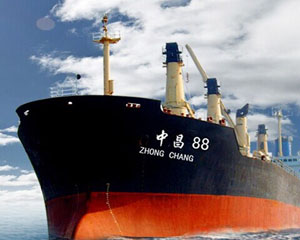
Secondly, the weight of goods is also one of the common ways. In per cubic metre, freight is calculated by multiplying the price of freight per cubic metre when the cargo is larger and light, such as cotton, foam, etc。
In addition, there is a combined costing approach whereby freight costs are calculated on the basis of the weight and volume of the goods, respectively, and the higher costs of both are taken as final freight costs. This approach takes into account both the weight and volume of the goods in combination, and reflects transport costs more equitably。
The following is a simple table for a clearer comparison of these costing methods:
The billing method applies to the type of goods calculation method
By weight
Large and small cargo
Price of freight per ton by weight of goods
By volume
Large and light cargo
Freight price per cubic metre of goods
Combined charges
Combined weight and volume consideration
Calculate weight and volume freight, respectively, to take higher value
Other factors also need to be taken into account in the actual calculation of maritime freight. For example, the route of transport, the cost of the port of origin and destination, fuel surcharges, currency exchange rate fluctuations, etc. Different routes and ports may have different rates and additional costs。
In addition, the seasonal and market supply and demand conditions of transport may affect freight costs. Transport costs may rise during the boom season, when demand for transport is high, and may be relatively low in the late season。
For cargo owners, a reasonable calculation of shipping freight costs requires communication and comparison with a number of shipping companies to understand how they are billed and quoted, and to choose the most suitable transport programme and shipping company, taking into account the characteristics of the goods and transport needs. At the same time, more accurate and detailed proposals for the calculation and optimization of freight costs could be obtained through specialized freight forwarding companies or logistics advisory bodies。
In sum, the rational calculation of maritime freight costs requires a combination of factors, the selection of appropriate costing methods and a full understanding of market conditions and associated cost standards to reduce transport costs and increase trade efficiency。