The quartz is a multi-year herbivorous plant with extremely high medicinal and visual value and has a long history of application in our country and has been honoured as the “first of the nine great fairy herbs”。
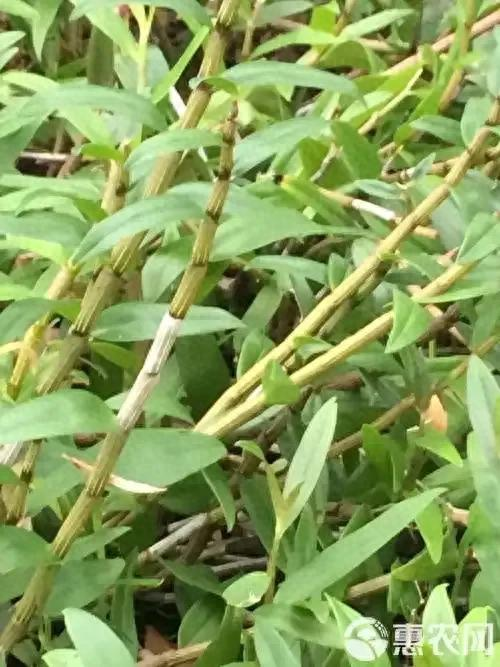
Ishigami
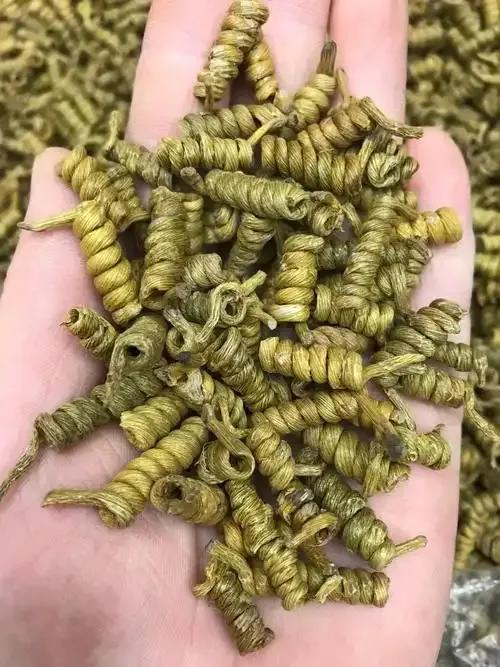
Ishigami medicine
Vegetable form: straight stem, flesh, cylindrical, multisect. The leaves are born, the genie, the rectangular. The total bouquet is derived from the central part of the plume with or without leaves, usually from one to several flowers. The flowers are large and beautiful, they are diverse in colour, and they are common in white, yellow, purple, etc。
Region of distribution: asia's tropical and subtropical regions. In china, the main areas are the southern provinces of yunnan, guangxi, guangdong, guizhou, fujian, and others, mostly associated with forest trunks or valley rocks of 480 - 1,700 metres above sea level。
Plantation techniques
Landing and seeding
Selection of cropland: an area of sea level, climate appropriate, with a humidity of over 60 per cent and a winter temperature of not less than 0°c should be selected. At the same time, there is a need to disperse light to avoid direct sunlight. Interforests, trunks, rock walls, etc. May be chosen as planting grounds, or greenhouses can be built for artificial cultivation。
Base selection: quartz is an adsorption plant with roots that require a good gaseous and draining matrix. The basics used are bark, moss, wood chips, gravel, ceramics, etc. The matrix is pre-used for disinfection and pest prevention。
Selection of varieties: selection of suitable varieties according to local environmental and market needs, such as platinum, platinum, platinum, etc. A strong, disease-free and developed seedling is to be selected。
Reproduction methods
Divisiond reproduction: in the spring or autumn, a growing plant is selected, removed from the basin, the old matrix is removed, the backbone of the bush is cut open with a sharp knife, and three to five rods are kept and then planted separately。
Plug-in reproduction: select unflowered and larger branches, cut into 5 - 7 cm long plugs, with 3 - 4 sections in each. Inserts the plug into the matrix at a depth of 1/3 - 1/2 and maintains the matrix at a humid and appropriate temperature, which can take root in about one month。
Group seedlings: under sterile conditions, the pebbles are vaccinated on the plume, which induces them to produce a scarred tissue and to divide them into seedlings. Group breeding allows for the rapid reproduction of large quantities of high-quality seedlings, but is technically demanding and costly。
Field management
Photo-management: the pebbles are half-cooled and need appropriate shades. The shade should reach 70 - 80 per cent when the summer light is strong; the shade can be contained at 30 - 50 per cent when the winter light is weak。
Temperature management: a suitable growth temperature of 15 - 30°c. Temperature measures, such as water spraying, ventilation, etc., are taken when summer temperatures exceed 35 °c; heating is performed when winter temperatures are below 5 °c, such as plastic sheeting, greenhouse construction, etc。
Water management: quartz is wet but afraid of water accumulation. Water should be watered rationally in accordance with seasonal and weather conditions, and the base should be humid without water. In general, water is poured once a day in the spring and autumn, 2-3 times a day in the summer and less frequently in the winter and once every 7 - 10 days。
Fertilizer management: during the period of growth, one thin liquid fertilizer is applied every 10 - 15 days, with the option of organic or compound fertilizer. Fertilizers should be applied in such a way as to avoid heavy fever. At the same time, micronutrient fertilizers can be appropriately supplemented to promote plant growth。
Pest and pest control: an integrated approach based on prevention. The plant is kept clean and healthy and the matrix and plant are regularly disinfected. Common diseases include black spots, anthrax, etc., which can be combated with agents such as multibacterium, enzymes, etc., and common pests such as aphids, red spiders, etc., which can be combated with agents such as amphibians and avil。
Collection and processing
Harvesting: stones grow 2 - 3 years later. The harvest time is usually in the autumn, with the choice of a strong, full-stuffed plant with a scissor to cut off the tubers, so that they do not damage the roots so that they may continue to grow in the coming year。
Processing: the quarries collected should be processed in a timely manner. Common processes include drying, sun drying, etc. The temperature is controlled at 50 - 60°c for drying, with a water content of 10 - 12%, while the tan is tanned in the sun until completely dry。