When the price of pigs falls through the cost line and the industry enters a period of deep loss, most pig breeders focus their eyes on the obvious costs of forage purchase and veterinary vaccine costs. However, it is often some invisible “hidden costs” that are genuinely silently eroding the profits of pig farms. They consume your cash flow day after day, like hot water boiled frogs, and it was only at the end of the year that they discovered that “the pigs sold and the money was gone”。
I. Visible feed, invisible waste
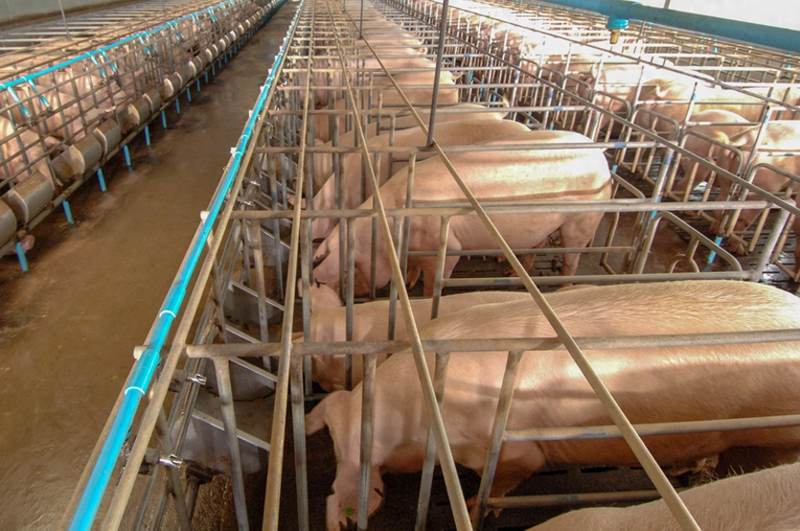
The cost of feed accounts for about 70 per cent of the total cost of pig farming, but there is a serious waste of feed in many pig farms, which typically accounts for between 8 and 10 per cent of the total consumption of feed, and 20 per cent in serious cases. This waste often takes place in the most hidden forms:
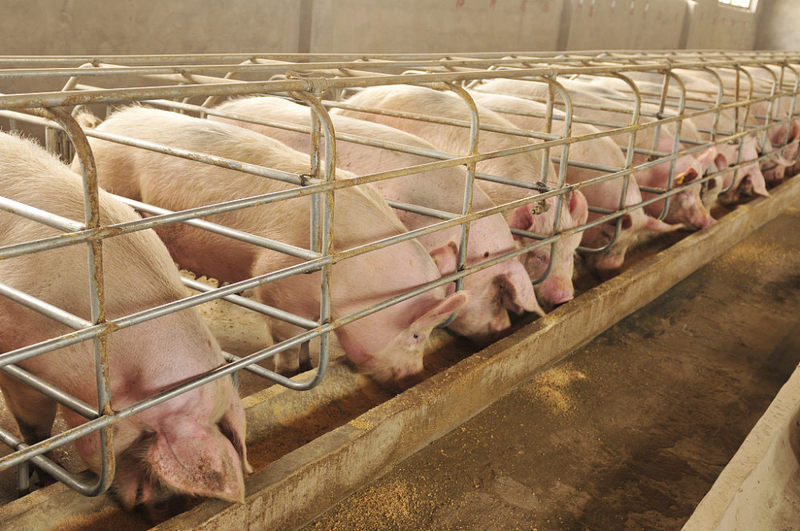
Physically, the “black hole” of the material tank: the tank is not designed rationally, the pig eats an arch while the feed leaks directly into the faeces; the ageing of the feed line leads to the dusting of the feed, and the pig does not like to eat or be blown away by the wind. These daily minor losses are cumulatively alarming figures。
Nutritional “misapulation”: some pigs' farms feed pigs to their mother, causing them to be less active and less sexually sexually active; while they breastfeed, they also use pregnant material, resulting in less milk and less pain after weaning. More commonly, many pig farms use fertilizers too early in the care phase, at a lower apparent cost, but nutrition does not meet the growth needs of pigs, leading to higher levels of later-stage meat and longer lead times。
• “seasonal blind zone” at the formulation level: the temperature varies from year to year, as does the nutritional needs of pigs. The use of high-protein formulations in winter can cause waste of protein, and the use of high-energy formulations in summer can cause waste of energy. For a million-headed pig farm, a timely adjustment of the formula from 3. 5 to 3. 4 for the whole herd of meat could save 90,000 kg of feed in a year, or more than rmb 120,000。
“inert pigs” — silent gold swallowers
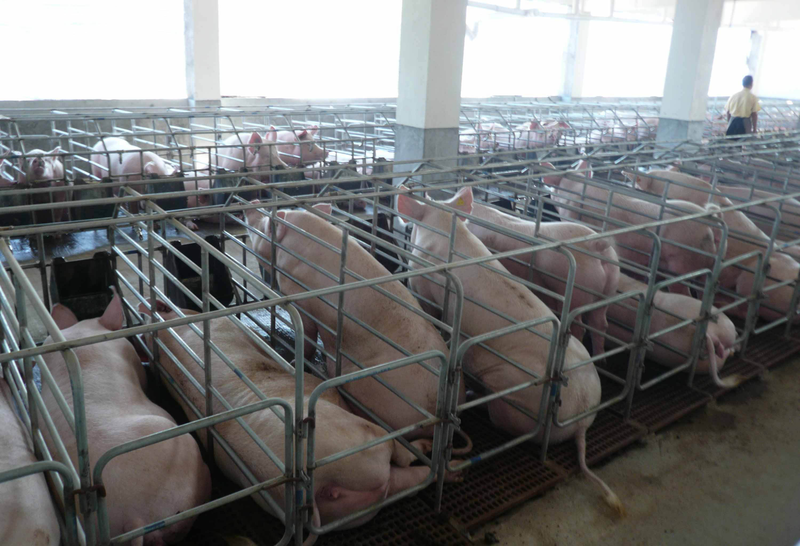
In every pigyard, there are some inert pigs who eat and don't work, and they are the biggest contributors to the hidden:
(b) inert pigs: stand-by pigs over 300 days of age who remain unattractive, women who have given birth to more than two impregnated pigs, women who have given birth to more than six children and have given birth to less than eight children in a row, and women who suffer from leg-and-mouth disease and customary miscarriages. They consume feed every day, but do not create the value they deserve。
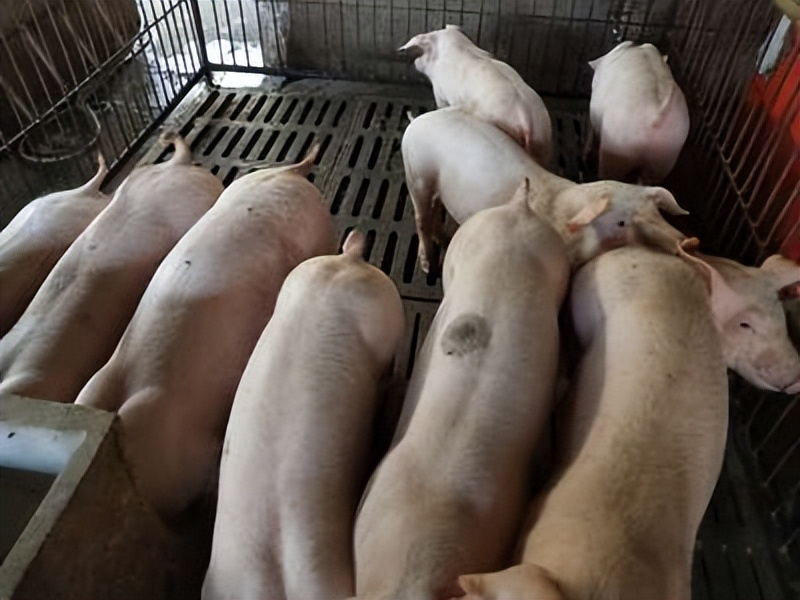
Poorly productive commodity pigs: weak children, rigid pigs with chronic expendable diseases, treatment of sick pigs who have been ineffective for more than 10 days. The feed they eat is not converted into meat, but is used for “health care” and “life support”. This hidden waste leads to a 0. 1-0. 2 increase in meat and, in a million-headed pig farm, means that hundreds of thousands, if not millions, of feeds are consumed in vain a year。
The hidden cost of non-production days: every additional day of production for a mother pig means that a day's feed input has no output. The timely elimination of incompetent pigs, the identification of hair and the management of seeding are key to blocking the black hole。
Managing long-term losses
The cost of improper human use: some pig farms are cost-saving and no professional veterinary personnel are hired. In the event of an epidemic, a large quantity of medicines is used blindly, resulting in high medical costs and a large number of deaths and injuries among pigs. Worse still, some breeders, in pursuit of material weights, have been feeding the pigs inappropriately by eating the pigs, and the chinese pigs by eating the pigs。
“formalism” of biosafety: many pigfields are not sufficiently aware of disinfection and are in a formal situation. Ignorance of disinfection is a matter of the safety of pig farms and is an effective means of cutting off the transmission of pathogens to pigs ' houses. A single outbreak of disease is enough to make the entire year zero。
Silent erosion in rats: a rat of about 250 g weight with an average daily intake of about 20-37. 5 g and 7-13 kg per year. Assuming that there are 1,000 rats in a pig farm, the annual consumption of feed can be 7-13 tons. Did you count this
Iv. Wrong judgment of the timing
For three pigs, the best meat is below 115 kg body weight and more than 115 kg feed is used primarily for fat growth. The longer the cycle, the heavier the weight, the lower the feed utilization. Some farmers tend to expect higher prices, resulting in higher meat ratios and lower profitability。
Conclusion: closing the loophole to survive the winter
In the current low price of pigs, we cannot control the situation, but we can raise the level of farming. The core competitiveness of farming is never “whose feed is cheaper” but “who is less expensive to make meat”. The incomprehensible details — the height of the tank, the small adjustments to the formula, the timely phase-out of the inert pig, the rats in the corner — accumulate to be the big problem in determining life and death。
Precise management is not an empty word; it is a matter of spending every penny on the blade, so that every pound of feed becomes real pork. Only by blocking these invisible profit black holes can the pigfield stand firm in the cold winter of the industry until the day when spring blooms。