# how to grow the home #
The whole plan for home-grown pebbles: from seedling selection to conservation, one step at a time
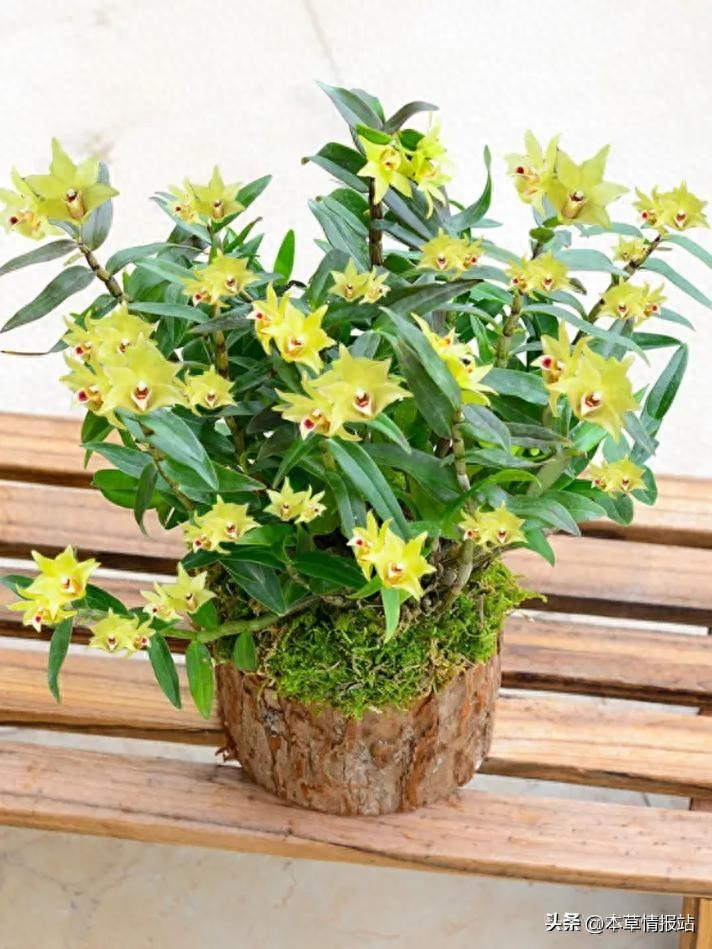
The quartz, one of china's nine great fairy herbs, has in recent years become a popular choice for family view because of its co-optimal properties. For middle-aged agricultural workers, however, the pebbles are most afraid of “high technological thresholds and difficult conservation”. Taking into account 10 years of planting experience and recent scientific research, this paper breaks down the whole process of planting a pebble view in a big white language to help you to get your hands on it and to pay less for school fees
The selection of seedlings: the species determine success or failure, and these three categories are the best
There are more than 70 species of quartz, but preference is given to platinum, platinum and platinum, which are highly pathogenic, adaptable and of high pharmaceutical value。
Catalyst: be alert to “group seedlings” (baby seedlings cultivated in laboratories), which are less resilient and have low survival rates. Preference is given to domesticated seedlings (saplings adapted to the natural environment), which, although at slightly higher prices, increase their survival rate by more than 50 per cent
Ii. Batteries and matrices: ventilation is the core, not plain soil
The quartz is an adsorbent plant whose roots require "respiration" and whose basin and matrix are wrong, which is equivalent to "smothering" root systems
Practising techniques: sterilization of the matrix before use. 30 minutes of boiled water or 2 hours of impregnation with polybacterial solution to avoid infection。
Cultivation: three steps done, not the key to rooting! (b) roots: cut to dry and rotting roots and keep healthy white roots; upper basins: seedlings are placed in the middle of the basin, root systems are naturally stretching, the matrix is covered to the neck (the boundary between the stem and the root) so as not to be buried deep, or it is easier to rot in the tub; fixed root water: water pours through the bottom of the basin, and chlorine gas is tanned for two days。
Catalyst: a week after planting is a “suffering period”, which needs to be placed in a cooler ventilator to avoid direct sunlight and daily water spraying, but not frequent watering
Iv. Conservation: 4 key points, which determine the life and death of the stone. Light: the sun must be covered in summer. Spring and autumn: to the east/south window stand, the light is dispersed three to five hours a day; summer: 70 per cent shade, or moved to the brightness of the indoor light; winter: full-day light, but temperatures below 5°c need to be moved into the room. (b) frequency: one day of summer, one day of spring and autumn, one day of spring and one day of winter, 10-15 days of winter; fertilisation: bounty and hard work, bad fat! Long-term (april-october): (b) before the flowering period (november-december): increase the application of potassium phosphate (e. G. Potassium phosphate) to promote flowering; ventilation: it's critical not to be a greenhouse flower! V. Pest and pest control: prevention is the main focus, land law is safer
Core principles: regular clean-up of dead leaves, weeds, environmental clean-up, 80 per cent reduction in disease and pest incidence
Vi. Reproduction: a 10-basket, simplest strain
The styrofoam breeds mainly on a plant basis, with simple operations and high survival rates:
Time: spring (march-april) or autumn (september-october); step: take out the mother strain and cut off the roots and dry roots; split the bush into three-to-five shrubs with three-to-five healthy straws in each of them; re-enter the basin and maintain it as described above。
Practising skills: reduce water irrigation within one month of separation to avoid decay of the roots until the new roots grow。
The final words are: "strewn stone, patient, healthy!"
The pebble basin is grown in a seemingly complex manner and requires only the five cores of “sapling, basin, light, water and ventilation”. Not only is it a hobby for middle-aged agricultural workers, but it is a low-cost, high-reward revenue path — fresh strips of tea, medicine, great viewes, sales, and a market price of over $300 a pound
Proposal for action: starting with a basin of iron platinum, you will be able to see green new buds coming out in three months. Remember: no shortcuts, no hearts, no professions