The chemical name for chloroform is trichloromethane. People in chemical-related industries are not unfamiliar with chloroform, which is a good organic solvent that dissolves various organisms (including grease, wax, etc.) and also high molecular materials such as organic glass, resin, paint, rubber, which can be used as adhesives. Trichloromethane is also an important feedstock for organic synthesis, for the manufacture of hcfc-22 and tetrafluoroethylene and as a solvent in pharmaceutical production。
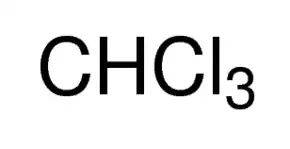
Chlorine structure formula
On 27 october 2017, the list of carcinogens published by the international agency for research on cancer (iarc) of the world health organization (who) was initially collated and chloroform was included in the list of carcinogens of category 2b. On 23 july 2019, trichloromethane was included in the list of toxic and hazardous water pollutants (first batch). Chloroform has also been included in the list of two vulnerable chemicals. The pharmacist prescribed chloroform as a second-class solvent, with a residual limit of 60 ppm in pharmaceuticals。
The toxicity of chloroform is mainly related to the central nervous system, with anaesthesia and damage to the heart, liver and kidneys. Acute poisoning: acute poisoning caused by inhalation or dermal absorption. Initial symptoms of headaches, dizziness, nausea, vomiting, excitement, skin humidity and mucous irritation. It is followed by mental disorders, shallow breathing, loss of reflection, coma, etc., and respiratory paralysis and fibrosis of the heart. It can be accompanied by liver and kidney damage. Intoxication occurs when the stomach is burned with nausea, vomiting, abdominal pain and diarrhoea. Anesthesia later appears. Liquidity can cause skin inflammation, rashes and even burns on the skin. Chronic effects: mainly liver damage, with symptoms of indigestion, indigestion, headaches, insomnia, and, in a few cases, kidney damage and chloromphobe. The anaesthesia of chloroform now appears to be a bad effect, but this characteristic of chloroform has played a significant role in history。
As early as july 1831, samuel guthrie (jr., 1782-1848), the american chemist, submitted for publication his method of producing “sweet whiskey” or “chloride” (chloromimic in alcohol): “in a clean copper distillation above, lime is chlorinated and alcohol ... Then distill ... When the product is no longer highly sweet and aromatic, remove it and place it in a glass container. In the distillation unit in the water bath, the product is resolved in excess of lime chloride to concentrate the product into “acute alkalis, strong sweetness and aromatics”. The distillation of the "chloroether solution" from potassium carbonate can be further enriched。
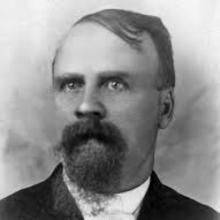
Samuel guthrie
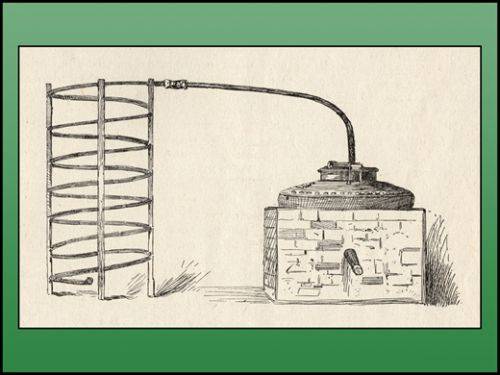
Samuel guthrie's chlorine emulsifiers feel like they put a pot on the ground stove, and distilled chloroform cools through air condensers。
The war had caused a large number of casualties, a large number of the wounded had had to undergo surgery and had objectively contributed to the development of anaesthetics. During the u. S. War (1846-1848), u. S. Military doctors began using ether as anaesthetic on the battlefield, and by 1849 the u. S. Army officially adopted ether. But the flash point for ether is -45°c, flammable, explosive, very unsafe。
In 1842, british doctor robert glover, 1815-1859, noted that chloroform made dogs unconscious, but he was unaware of the medical implications。
In 1847, queen victoria's doctor james young simpson, 1811-1870, professor of midwifery at the university of edinburgh, united kingdom, discovered the narcotic properties of chloroform. Simpson and his two doctor friends, keith and duncan, used to sit in restaurants every night and try new chemicals to see if they had anaesthesia. On 4 november 1847, they decided to try a substance called chloroform which they had ignored earlier. After inhaling this chemical, they found everyone happy. But all of a sudden, they fell down and only regained consciousness the next morning. As soon as simpson woke up, he found something that could be used as anaesthetic. It was largely by chance that simpson survived the administration of chloroform. If he inhaled too much and died, chloroform would be considered a hazardous substance。
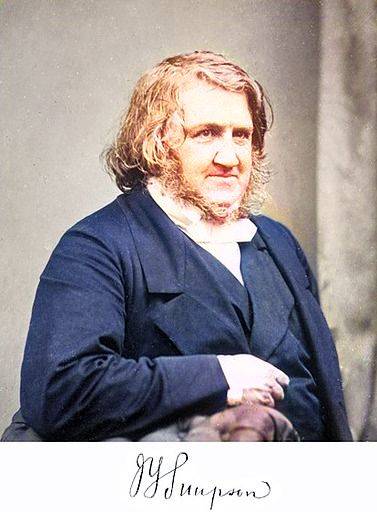
James young simpson, 1811-1870
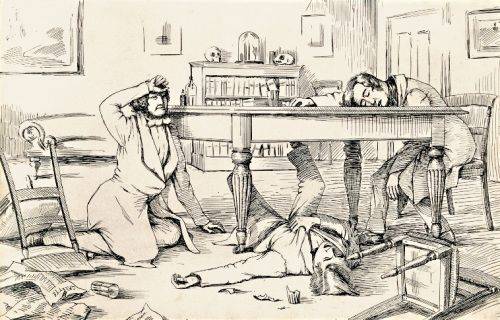
Simpson and his friends tried chloroform
Simpson was the first to use chloroform as an anaesthesia to alleviate the pain of childbirth. This practice was initially opposed by the church because it altered the sacred order. According to genesis, the pain of childbirth is god's punishment for women because eve ate apples from the knowledge tree. The clergy quote chapter 3, section 16 of genesis: “i will greatly increase your pain and pregnancy, and you will suffer more if you give birth to a child”. Simpson, for his part, quoted genesis, chapter 2, section 21: “the lord put adam to sleep, so he took off one of his ribs and closed the flesh”. In 1853, the queen of victoria, england, gave birth to her eighth child, prince leopold, under anaesthesia of chloroform. The queen was very pleased that she had not lost consciousness and that she had vaguely known that she had given birth but had not felt pain. In 1857, under the same anesthesia, the queen gave birth to the ninth child, princess beatrice. Such success silences opposition。
In the crimea war (1853-1856), there were numerous positive reports of the use of chloroform as an anaesthetic. In the united states civil war (1861-1865), many army doctors and nurses had experience with ethers, resulting in a much more popular vindication of chlorine in that conflict because it was more effective and not flammable. As long as chloroform is available, it is used to mitigate pain and trauma from amputation or other surgery。
As a result of the toxic side effects of the chloroform itself and the emergence of new anaesthesia, chloroform gradually withdrew from the anaesthesia field in the 1930s. There are also anaesthesia chloroform on the second part of the 1963 edition of the chinese pharmacy and no later version. However, the competitor for chloroform in that year also had anaesthesia on the second part of the chinese pharmacy 2020. Ethers "live" longer. Of course, halogenated alkyl anaesthesia similar to that of chloroform, hydrofluorocarbons (hfcs), hydrofluorocarbons (hfcs), heptafluorones (hfcs) and hexafluorones (ifcs) remain clinically active。